Choosing a deep plane facelift is only half the decision understanding the healing journey is the other half. For patients considering a deep plane facelift uk, recovery unfolds in fairly predictable stages, and knowing what each week actually involves helps set realistic expectations rather than relying on guesswork or forum posts.
For a full breakdown of the technique itself, from anatomy to surgical planning, read more about Expert deep plane facelift surgery in London.
Recovery patterns are broadly similar for every patient, though goals can differ. Male patients researching a Deep Plane Facelift for Men often prioritise a firmer jawline over dramatic change, but the week-by-week healing timeline below applies regardless of these aesthetic priorities.
It also helps to understand why this technique heals differently to older methods in the first place see Why Choose a Deep Plane Facelift Over a Traditional Facelift for the anatomical reasoning behind it.
Day of Surgery and the First 24 Hours
Surgery for a deep plane face lift typically takes between two and a half and four hours under general anaesthesia, with incisions placed discreetly along the hairline and natural folds around the ears. Most patients stay overnight at the surgical facility for monitoring and comfort rather than being discharged the same day, allowing the team to check swelling, drainage, and general comfort before the patient goes home.
Week 1: Rest, Swelling and Wound Care
The first week is about protecting healing tissue, not testing it. Patients are advised to sleep with the head elevated at 30 to 45 degrees, ideally on two pillows or in a recliner chair, and to avoid bending forward or lowering the head below heart level, both of which increase facial pressure and swelling.
Cold compresses help during the first five days only, applied gently for 15 to 20 minutes at a time; after day five, cold therapy is usually stopped so the lymphatic system can resume normal drainage. Bruising and swelling are an expected part of any deep plane facelift london recovery in this window, not a sign that anything has gone wrong.
Week 2: Sutures Out, Light Activity Resumes
Sutures are generally removed somewhere between day 9 and day 14, depending on individual healing progress. By this stage, bruising has usually begun to fade and swelling is visibly reducing. Most patients feel comfortable resuming light daily activities, such as short walks or working from home, around this point, though strenuous exercise remains off-limits until later. For many deep plane facelift uk patients, this is the stage where the surgery starts to feel like it is behind them rather than something still in progress.
What’s Normal vs What Needs a Call to Your Surgeon
Some swelling, bruising, and tightness are expected throughout the process described here. However, certain symptoms should prompt an immediate call to the surgical team rather than waiting for a scheduled follow-up: rapidly expanding swelling on one side, uncontrolled bleeding, or sudden, severe pain. Regular follow-up appointments allow the surgeon to monitor healing, remove sutures where needed, and confirm the recovery is progressing as expected at each stage.
Weeks 3 to 4: Social Recovery
By the third week, most visible bruising and swelling has settled significantly, which is why this stage is often described as “social recovery.” Patients typically feel confident returning to meetings, social events, and public life without the results looking obviously surgical. This timeline is fairly consistent across deep plane face lifting patients, though individual healing speed varies with age, skin quality, and overall health. A well-performed deep plane face lift should look like a refreshed version of the same face at this stage, not a different one.
Weeks 4 to 6: Exercise Returns, Contours Settle
Somewhere between four and six weeks, the face begins to reveal its more settled, natural shape as residual swelling continues to fade. Most surgeons clear patients for normal exercise, including cardio and strength training, around the six-week mark, once the deeper tissues have had time to stabilise properly. This is also when early results of the deep plane facelift london become genuinely visible, rather than obscured by lingering swelling.
Months 3 to 6: Full Refinement
The final, subtle refinements of a deep plane facelift take longer than most patients expect. Between three and six months, the deeper tissues settle fully, scars mature, and the results reach their intended shape. This gradual timeline is normal for any advanced deep plane face lifting technique and isn’t a sign of slower-than-usual healing it simply reflects how deeper tissue planes need time to settle compared with skin-only procedures.
What Influences Deep Plane Facelift Cost in London
There is no single, fixed figure for deep plane facelift cost london, because pricing depends on the complexity of the case, whether the neck and jawline are being addressed alongside the face, the length of surgery, and the aftercare package included. Rather than comparing headline prices across clinics, it is worth asking exactly what is covered within any quoted deep plane facelift cost london, including consultation, anaesthesia, the overnight stay, and follow-up visits, so that comparisons are genuinely like for like.
Choosing Among the Best Deep Plane Facelift Surgeons UK
Because the deep plane technique works closer to the facial nerve branches than a traditional lift, surgeon experience matters more here than with most cosmetic procedures. When researching the best deep plane facelift surgeons uk, look for a surgeon who performs this specific technique regularly rather than occasionally, and who can clearly explain their approach to minimising nerve-related risk during consultation.
Dr. Dirk Kremer, practising from Harley Street in London, performed his first facelift in 2005 and is recognised among the best deep plane facelift surgeons for prioritising natural, unforced results over an overly tightened appearance. Patients comparing the best deep plane facelift surgeon london for their own procedure are encouraged to ask detailed questions about the recovery timeline specific to their anatomy, since healing can vary based on skin quality, age, and general health.
Ultimately, whether searching for the best deep plane facelift surgeon london or comparing credentials among the best deep plane facelift surgeons uk more broadly, the recovery expectations outlined above should be part of that conversation from the very first consultation.
Final Thoughts
Recovery from a deep plane facelift is gradual by design, because the deeper tissue planes need time to settle properly. Patients who understand the week-by-week process, rather than expecting instant results, tend to feel calmer throughout healing and more satisfied with the eventual outcome.
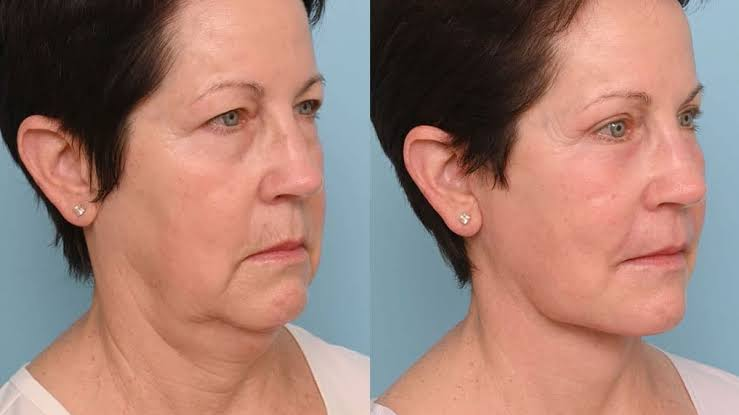
Above all, the surgeon behind the procedure has more influence on both safety and healing speed than any single recovery tip. Reviewing before-and-after results, asking about complication rates, and understanding why a practice is named among the best deep plane facelift surgeons in patient discussions are all reasonable steps before committing to surgery. A clear, honest conversation about the week-by-week timeline outlined here, tailored to individual anatomy and health, is one of the most useful parts of any consultation.