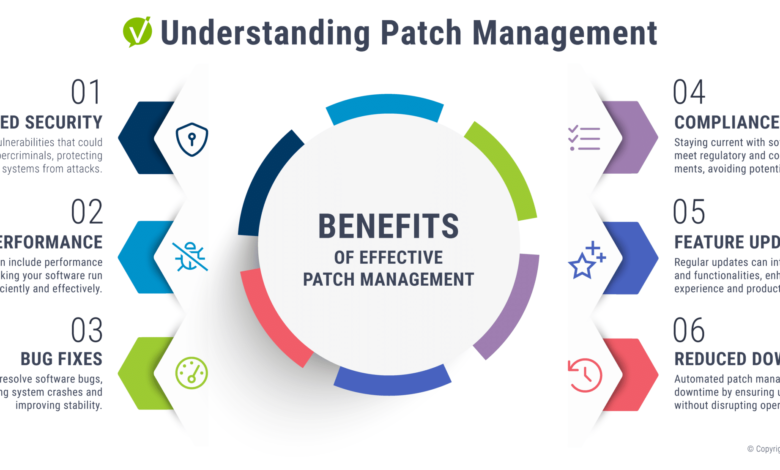
Compliance audits have a way of exposing gaps that routine operations quietly accumulate. Systems that should have been patched weeks ago, missing documentation for changes that were made, no clear record of who approved what, and when these are the findings that turn audits into remediation projects. Patch management software addresses that problem at the source by building audit evidence into the patching process itself, rather than requiring IT teams to reconstruct it afterward.
Why Patching and Compliance Are Inseparable
Regulatory frameworks that govern IT security, such as PCI DSS, HIPAA, SOC 2, CMMC, and others, share a common thread: they require organizations to demonstrate that known vulnerabilities are addressed in a defined timeframe, and that the process for doing so is documented and repeatable.
Patching is one of the most directly auditable security controls available. The evidence either exists or it does not. A system was patched within the required window, or it was not. An administrator approved a deployment, or there is no record that one did. Auditors reviewing these controls are looking for specific artifacts: patch coverage reports, deployment timelines, approval records, and exception documentation for systems that could not be patched on schedule.
Organizations that patch manually and track the process informally rarely have that documentation ready. Patch management software produces it continuously, as a byproduct of normal operation, which is precisely what separates audit-ready environments from ones that scramble when auditors arrive.
What Audit-Ready Patch Management Actually Looks Like
For IT teams evaluating their current process, understanding what patch management software for compliance audits should deliver helps distinguish between platforms that technically perform patching and those that genuinely support a compliance posture.
The distinction matters. A tool that deploys patches but produces minimal reporting leaves the compliance documentation burden on the IT team. A platform designed with audit readiness in mind generates the records automatically: timestamped deployment logs, patch coverage by device and operating system, approval workflows that capture who authorized each change, and exception tracking for devices that missed a deployment window.
These records need to be exportable in formats that auditors can review, filterable by time range and system type, and retained for the period required by the applicable framework. For most regulated industries, that means at a minimum 12 months of patch history, and often longer.
Patch Coverage Reporting
Coverage reporting answers the fundamental audit question: what percentage of in-scope systems are current on required patches, and which ones are not?
Effective patch management software maintains a live inventory of every managed device, its current patch state, and its compliance status against the configured policy. Dashboards surface this information at a glance for day-to-day operations, while exportable reports provide the snapshot evidence that auditors request at point-in-time assessments.
The most useful coverage reports differentiate by patch severity. A system missing a critical security patch for 30 days is a different finding than one missing a low-severity update. Platforms that weight and categorize patch gaps by severity allow IT teams to prioritize remediation correctly and demonstrate to auditors that triage is based on risk rather than convenience.
Approval Workflows and Change Documentation
Many compliance frameworks require that changes to production systems go through a documented approval process. Patch deployment, particularly to servers and infrastructure components, falls squarely within that requirement.
Patch management software with configurable approval workflows creates a built-in change control record for every deployment. A technician proposes a deployment, a reviewer approves it, the system logs the approval with a timestamp and the approver’s identity, and the deployment proceeds. If the deployment is rejected or deferred, that decision is recorded too.
This workflow does more than satisfy auditors. It creates accountability within the team, ensures that someone with appropriate authority has reviewed high-risk changes before they go to production, and provides a paper trail that supports incident investigation if a patch ever causes instability.
A thorough understanding of what security auditors examine and how they evaluate IT controls provides useful context for configuring patch management workflows correctly. The overview in the security audit compliance guide covers the scope of security audits, the regulatory frameworks that drive them, and the types of evidence auditors typically request when reviewing patch management and vulnerability remediation programs.
Exception Management
No patching program achieves perfect coverage. Systems in the middle of critical operations cannot always be rebooted during a scheduled maintenance window. Legacy applications occasionally have compatibility conflicts with specific patches. Infrastructure components managed by third parties may have patching handled outside the normal cycle.
Audit-ready patch management requires that these exceptions be documented rather than simply left as gaps. Patch management software should support exception logging that captures which system was excluded, why it was excluded, who approved the exception, and what compensating controls are in place during the exception period.
This documentation transforms an apparent compliance gap into a managed risk. An auditor reviewing a 95% patch coverage rate with documented exceptions and compensating controls for the remaining 5% reaches a very different conclusion than one finding unexplained gaps with no supporting records.
Configuration Baselines and Checklist Alignment
Audit readiness extends beyond individual patch deployments to the broader question of whether systems are configured to a known, secure baseline. Patch management software that integrates with configuration management tools can verify that deployed systems match expected security configurations after patching, flagging deviations for review.
NIST’s updated guidance on the National Checklist Program for IT products, published in December 2025, provides an updated framework for security configuration checklists that align with current compliance requirements and automation standards. The IT security checklist program guidance page covers how organizations can use standardized configuration checklists to establish and verify compliant baseline states across their device fleets, a process that works alongside patch management to provide broader audit coverage.
Continuous Compliance vs. Point-in-Time Readiness
The traditional approach to compliance treats it as a periodic exercise: prepare for the audit, address the findings, and return to normal operations until the next cycle. Patch management software makes a different model possible, one where compliance posture is maintained continuously rather than assembled on demand.
When patch deployment is automated according to policy, coverage reporting is available in real time, and documentation is generated as deployments occur, the gap between the organization’s actual security state and its documented compliance posture effectively disappears. The audit becomes a review of records that already exist, not a project to produce them.
This shift has practical significance beyond audit preparation. It means that the organization’s response to a newly disclosed critical vulnerability is measured in hours rather than days, that coverage gaps are surfaced and addressed before they become audit findings, and that the IT team’s time is spent maintaining security rather than reconstructing evidence of it.
Frequently Asked Questions
Which compliance frameworks specifically require patch management documentation?
PCI DSS requires critical patches to be installed within one month of release and mandates documentation of the patching process. HIPAA requires covered entities to implement security updates as part of their technical safeguards. SOC 2’s availability and security criteria both address vulnerability remediation. CMMC requires patch management controls at multiple maturity levels. In each case, the requirement is not just to patch, but to demonstrate that patching occurs within defined timeframes with appropriate documentation.
How long should patch deployment records be retained for compliance purposes?
Retention requirements vary by framework. PCI DSS generally requires audit log retention for at least 12 months, with three months immediately available for analysis. HIPAA recommends retaining documentation for six years from creation or the last effective date. SOC 2 auditors typically review the period covered by the audit report, which is usually 12 months. Configuring patch management software retention to the longest applicable requirement for the organization’s regulatory environment ensures coverage across all frameworks.
What constitutes an acceptable exception in a compliance audit context?
An acceptable exception is one that is documented with a clear business justification, approved by an authorized individual, accompanied by compensating controls that reduce the associated risk, and subject to a defined remediation timeline. Exceptions that exist without documentation, without approval, or without compensating controls are likely to be flagged as findings. Patch management software that supports structured exception workflows produces the documentation that makes exceptions defensible during audit review.