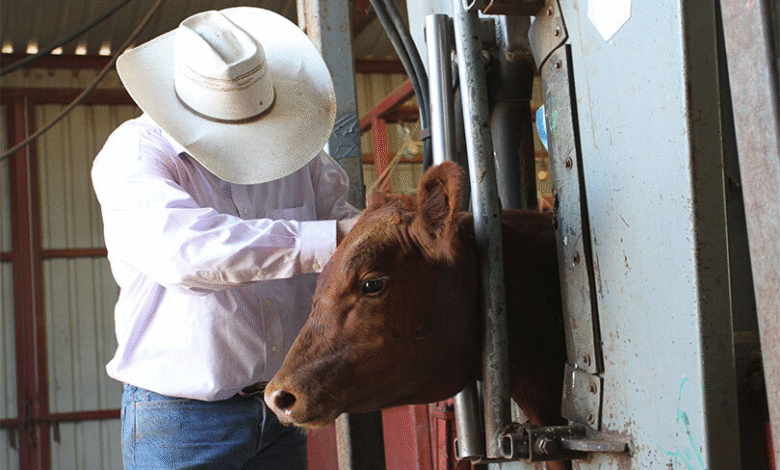
Australia’s cattle industry plays an important role in rural economies, with producers managing livestock across large properties and diverse environmental conditions. During the winter season, cattle operations often focus on animal health checks, weight monitoring, and preparation for future production cycles. In these situations, reliable livestock handling equipment is essential for improving efficiency while reducing stress for both animals and operators.
A cattle work chute provides a controlled environment for handling individual animals during routine procedures. Understanding its design principles and correct operation methods helps equipment managers and livestock operators create safer and more effective working systems.
Technical Overview of Cattle Work Chute Systems
A cattle work chute is a livestock handling structure designed to safely restrain cattle for activities such as health inspections, identification, weighing, and veterinary procedures. The system works by guiding animals into a confined area where movement can be controlled while allowing operators access to necessary areas.
Common applications include:
- Animal weighing and performance monitoring
- Vaccination and health management procedures
- Identification and record keeping
- Routine livestock inspections
For example, a cattle producer managing a large herd can use a work chute system to complete regular health checks more consistently without relying on manual restraint methods.
Importance for Efficiency, Safety, and Productivity
Effective livestock handling directly influences farm productivity. Poor handling practices can increase animal stress, create safety risks, and require additional labor. A properly designed cattle work chute improves workflow by creating a predictable process for moving and restraining animals.
Key operational benefits include:
- Reduced handling time during routine procedures
- Improved operator control and safety
- More accurate livestock management records
- Better animal welfare practices
Technical Foundations and Capability Considerations
The effectiveness of a cattle work chute depends on structural design, animal flow management, and correct adjustment. A suitable system should match the size of livestock, handling frequency, and operational requirements of the property.
Important technical considerations include:
- Strength and stability of the frame structure
- Ease of operation for different livestock conditions
- Integration with weighing and identification systems
- Compatibility with existing cattle yards
A mixed farming operation, for instance, may require equipment that supports both routine cattle checks and accurate weight tracking to guide feeding and breeding decisions.
Performance Factors and Safe Handling Practices
The performance of livestock handling equipment is influenced by operator technique, maintenance condition, and facility layout. Even well-designed equipment requires correct procedures to achieve safe results.
Recommended safety practices include:
- Inspecting moving parts before use
- Maintaining clear operator working areas
- Moving cattle calmly to reduce stress
- Following established livestock handling procedures
Regular inspection of gates, restraints, and structural components helps prevent unexpected equipment failure and supports long-term reliability.
Types of Livestock Handling Equipment
Cattle handling systems may include squeeze chutes, weighing chutes, loading ramps, cattle panels, and sorting gates. Each type serves a specific purpose within livestock management operations. Some systems focus on restraint, while others improve movement control or measurement accuracy.
Advantages and Limitations
Cattle work chutes provide improved control, safer handling conditions, and more efficient livestock management. However, they require appropriate installation space, regular maintenance, and operator training to achieve the best results.
Future Trends in Livestock Handling
As agricultural operations continue to adopt data-based management methods, livestock handling equipment is becoming increasingly connected with weighing technology and digital record systems. Future developments will focus on improving animal welfare, operator safety, and management accuracy.
Understanding the principles behind cattle work chutes allows producers, operators, and equipment managers to make informed decisions that support safer livestock handling and more efficient agricultural practices.