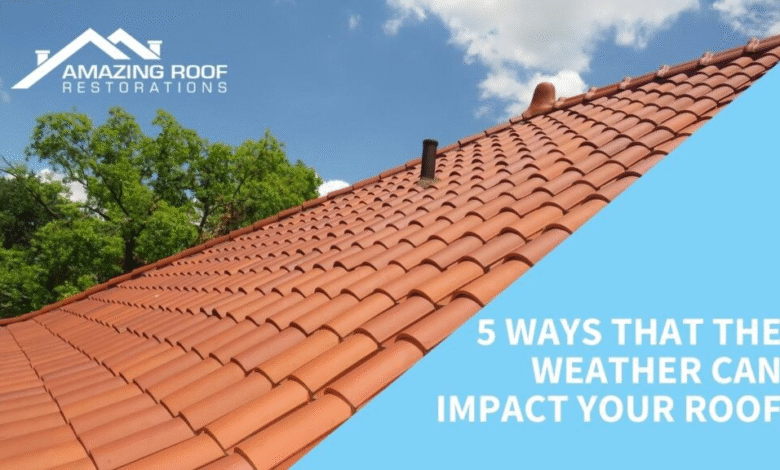
Your roof is one of the most critical components of your home, serving as the first and most important line of defense against the elements. Whether you live somewhere that sees brutal winters, relentless rainfall, or punishing summer heat, weather plays a huge role in how long your roof lasts and how well it holds up over time. Understanding the connection between climate and roofing materials helps you make smarter decisions about maintenance, repairs, and eventual replacements. Getting ahead of weather-related damage can save you thousands of dollars and spare you from serious structural headaches down the road.
The Damaging Effects of Intense Heat
Prolonged exposure to high temperatures can take a serious toll on roofing materials, often in ways that sneak up on you. Heat causes shingles to expand, and those repeated cycles of expansion and contraction eventually lead to cracking, warping, and gradual deterioration. UV radiation also breaks down the chemical compounds in asphalt shingles, leaving them brittle and stripped of their protective granules over time. In hotter climates, roofs can age significantly faster than their estimated lifespan if routine upkeep gets skipped. When addressing heat-related wear, Austin Roofing professionals make proper ventilation and reflective materials critical choices in warm, sun-drenched regions.
How Rain and Moisture Create Long-Term Problems
Water is one of the most relentless threats any roofing system faces. Even small amounts of moisture infiltration working their way under shingles or flashing can quietly trigger wood rot, mold growth, and structural damage that compounds over time. Poor drainage from clogged gutters allows water to pool on the roof’s surface, increasing the risk of leaks and membrane breakdown. In areas with frequent rainfall, keeping gutters clean, inspecting sealants regularly, and replacing cracked or missing shingles quickly are all non-negotiable habits. Left unchecked, water damage doesn’t stop at the roof — it works its way into insulation, ceilings, and walls too.
Wind Damage and What It Means for Your Roof
High winds are a common culprit behind sudden, sometimes dramatic roof damage that catches homeowners off guard. Strong gusts can lift shingles, tear away flashing, and dislodge ridge caps that shield the most vulnerable parts of the structure. **Wind-driven debris** like tree branches can puncture roofing materials and create openings that let water pour into the home. After any significant wind event, it’s worth doing a visual walkthrough or calling a qualified roofer to assess what’s going on up there. Catching wind damage early is almost always cheaper than letting a minor issue turn into a major repair bill.
The Impact of Snow, Ice, and Freezing Temperatures
Cold weather brings its own unique set of challenges that can compromise roofing systems in ways that aren’t always immediately obvious. Snow accumulation adds real weight to a roof, and structures that aren’t designed to handle the load can develop stress over time. Ice dams, which form when snow melts and then refreezes along the roof’s edge, can force water up beneath shingles and straight into a home’s interior. Repeated freezing and thawing cycles also cause materials to expand and contract constantly, weakening seals and increasing the chances of cracking. Homeowners in colder climates are wise to invest in proper insulation and attic ventilation to reduce the risk of these issues forming in the first place.
Seasonal Maintenance Tips to Protect Your Roof
A proactive maintenance schedule is one of the best things you can do to extend the life of your roof throughout the year. Before summer hits, check your shingles for heat damage and confirm that your attic has enough ventilation to prevent dangerous heat buildup. As fall approaches, clear out gutters and downspouts so they’re ready to handle increased rainfall and falling leaves. After winter storms pass, look for signs of ice dam damage or any shingles that have lifted or gone missing. A professional roof inspection at least once a year gives you a reliable picture of your roof’s overall health and helps you stay ahead of small problems before they turn into expensive ones.
Conclusion
Weather will always be a factor in your roof’s lifespan, but it doesn’t have to mean premature failure. By understanding how heat, rain, wind, and cold each affect your roofing materials, you can take the right steps to protect your home and your investment. Regular inspections, timely repairs, and thoughtful material choices all make a real difference in keeping your roof in solid shape, whatever the forecast might bring.