Many people check a sleep score in the morning and still feel tired, which makes it fair to ask whether sleep tracking actually helps. Tracking is useful when it explains patterns, but it cannot replace sleep if the routine itself is broken. The real value comes from connecting the numbers to concrete habits such as bedtime, audio, light, and caffeine. If you choose a device that fits your own sleep style, including comfortable earbuds with a long battery, the reports can become more meaningful. In this article, we explain how sleep tracking can help you wake up less tired and where the numbers matter most.
What Sleep Tracking Can and Cannot Tell You
How Sleep Trackers Measure Your Night
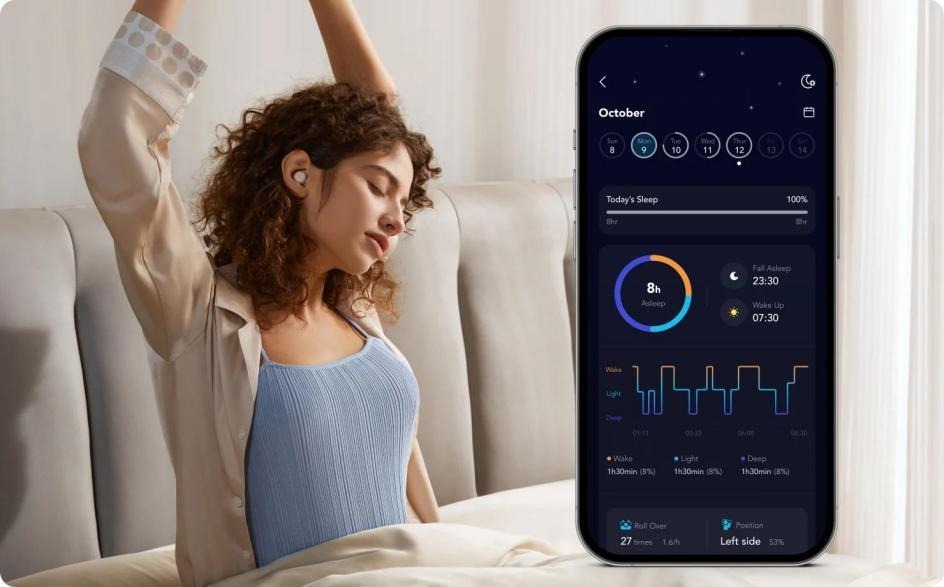
Most sleep trackers use movement and heart rate to estimate whether you are awake, in light sleep, or in deep sleep, rather than measuring brain waves like a clinical study. The estimates can be useful for spotting broad changes, but they are not precise enough to diagnose a disorder. A restless arm may look like an awakening, and lying very still may look like deep sleep. This is why the daily numbers should be treated as clues instead of medical measurements. The best use is comparing your own nights over time rather than judging one report against an ideal score. For most people, the value comes from spotting their own patterns rather than measuring themselves against someone else’s report.
Why Tiredness Does Not Always Match the Data
Sleep reports describe movement and estimated stages, but they cannot fully capture how stressful, busy, or emotional your day has been. You may sleep the same number of minutes on two nights and wake feeling completely different because one day demanded more energy. Alcohol, caffeine, meals, illness, and late work all change how restorative the same sleep feels. A low score can also appear after a restless night when you actually woke less than the tracker suggests. The report is most useful when you read it alongside how you feel and what happened the previous day.
Turn Sleep Data Into Small Changes
Look for Patterns Across Several Nights
Single-night scores are noisy, so the first step is collecting seven to ten nights before drawing a conclusion. Look for patterns such as later bedtimes leading to more restlessness or screen use near bed delaying sleep onset. The numbers become clearer when the routine is fairly consistent because the tracker can compare similar nights. Write down a few notes each morning so you can explain unusual reports instead of guessing later. A trend is worth acting on, while one unusual night is usually just life.
Test One Habit at a Time
Choose one small change, such as going to bed twenty minutes earlier, reducing evening caffeine, or adding a short wind-down sound, and keep everything else the same. Track the habit for a week and compare the reports before making another adjustment. Changing several things at once makes it impossible to know which one helped. The goal is to find the habits that reliably improve your rest rather than chasing a perfect score. Even a small improvement in the routine can make you feel more refreshed than a marginal change in the data. Small changes are easier to keep when they feel like part of the routine, so choose a habit you can repeat without extra effort.
Build a Routine That Improves Both Rest and Reports
Choose a Device You Can Wear All Night
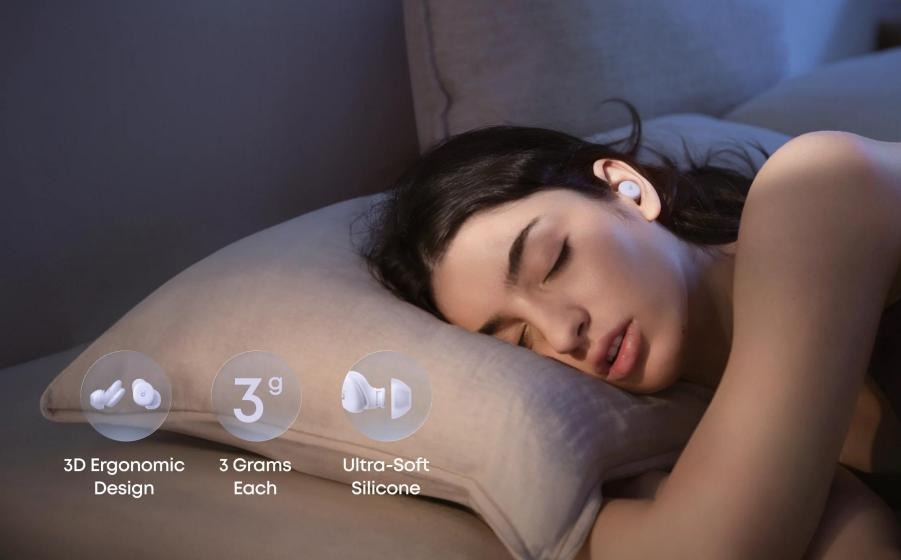
Sleep tracking only helps if the device stays with you comfortably through the night, because a tracker that shifts, stops, or needs charging cannot give a useful picture. Consider the size, fit, and battery life before choosing anything to wear in bed. Soundcore sleeping earbuds are one option to compare here, with sleep tracking built into a compact design and app insights that summarise your rest without disturbing your partner. You should still ignore numbers that create pressure and focus on the habits you can control. The most useful tracker is the one you forget about until morning.
Know When Tracking Stops Helping
If checking the report makes you anxious or keeps you in bed longer than you need, the tracking has started to work against you. Stop checking for a few nights and notice whether your sleep improves when the pressure disappears. A tracker cannot solve chronic tiredness, insomnia, or suspected sleep apnoea, and those problems deserve a doctor’s opinion. You can still bring a sleep log or print a report to a professional appointment as useful context. The right response to unhelpful data is to change the habit, not to keep collecting more. If a report ever feels more important than how you feel, that is a sign to step back and rely on simpler notes.
Conclusion
Sleep tracking can help you wake up less tired when it guides small, consistent changes instead of becoming another source of pressure. Use the reports to spot patterns, test one habit at a time, and compare several nights before judging the result. Wear a device that stays comfortable all night and ignore the scores that do not match how you feel. If tiredness continues despite good routines, ask a professional for help. The goal is better rest, and the tracker is only one tool for reaching it.