Radiatori Pasta: A Beautifully Ridged Italian Shape That Makes Every Sauce Taste Better
This guide explores radiatori pasta, its uses, flavor pairings, cooking tips, and reasons this unique shape belongs in your kitchen.

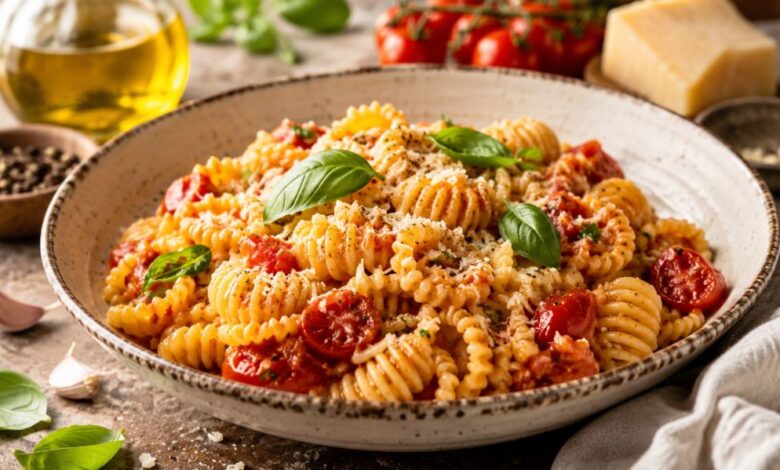
Radiatori are among the most interesting and eye-catching pasta shapes in Italian cooking. Their name comes from their resemblance to old-fashioned heating radiators, and that creative design is exactly what makes them so useful in the kitchen. With a short body, hollow center, and rows of deep ridges, radiatori are made to hold sauce, flavor, and texture in every bite. They are not just decorative pasta shapes. Radiatori are practical, flavorful, and versatile enough for everyday meals, family dinners, pasta salads, baked dishes, and restaurant-style recipes.
Radiatori pasta stands out for its ability to hold sauces. Unlike smooth shapes that let sauce slide away, radiatori catches it between ruffled edges. Each bite is rich and satisfying, whether with a creamy cheese, a tomato, a vegetable, or a hearty meat sauce. For Italian pasta enthusiasts, radiatori balances appearance and function.
What Is Radiatori Pasta?
Radiatori is a short, compact pasta known for its layered ridges. It is usually made from durum wheat semolina, the same strong wheat commonly used for high-quality pasta. The shape is designed to look like a small radiator, with curved folds that create many little spaces for sauce to collect. This makes radiatori a favorite choice for recipes where texture matters as much as flavor.
Unlike long pasta shapes such as spaghetti or linguine, radiatori is easy to mix with chunky ingredients. It pairs beautifully with roasted vegetables, mushrooms, chicken, sausage, beans, herbs, and grated cheese. Its firm structure also makes it suitable for baked pasta dishes, as it retains its shape well after cooking.
Why Radiatori Holds Sauce So Well
The biggest strength of radiatori is its sauce-holding ability. The ridges are not only attractive; they serve a real purpose. When the sauce touches the pasta, it settles into the folds and hollows rather than slipping off. This is why ridged pasta shapes are often chosen for thick, creamy, or chunky sauces.
A simple tomato sauce becomes even more flavorful with radiatori, as the pasta carries more sauce in each bite. A creamy Alfredo-style sauce feels richer because it clings to the ridges. A vegetable sauce with small pieces of onion, pepper, tomato, or zucchini also works well, as the pasta naturally catches the ingredients. This shape helps create a complete bite where pasta and sauce taste balanced together.
The History and Identity of Radiatori
Radiatori is often described as a modern Italian pasta shape compared with many traditional shapes that have been made for centuries. Its design reflects creativity and practicality. Italian pasta culture is full of shapes created for specific sauces, regions, and cooking styles. Radiatori fits into that tradition by proving that even a playful-looking pasta can have a serious culinary purpose.
Its radiator-like appearance gives it a memorable identity. Many people notice radiatori for the first time because it looks different from common pasta shapes. However, once they cook with it, they realize that the unusual design is more than a visual charm. It improves the eating experience by adding texture and helping sauces stay attached.
Best Sauces for Radiatori Pasta
Creamy Sauces
Radiatori works especially well with creamy sauces because the folds trap the sauce, making every bite smooth and rich. Cheese sauces, garlic cream sauces, mushroom cream sauces, and spinach cream sauces all pair beautifully with this pasta. The ridges give the sauce something to cling to, which prevents the dish from tasting flat or watery.
Tomato-Based Sauces
Tomato sauces are another excellent match for radiatori. A slow-cooked marinara sauce, a spicy arrabbiata, or a rich tomato-basil sauce becomes more satisfying when served with this shape. The pasta’s ridges trap the acidity, sweetness, and herbs from the tomato sauce, creating a balanced, comforting meal.
Meat Sauces
Radiatori is also a smart choice for meat sauces such as beef ragù, sausage sauce, chicken tomato sauce, or turkey Bolognese. The compact shape blends easily with ground meat and small pieces of vegetables. Instead of separating from the sauce, the pasta helps carry the dish’s full flavor.
Pesto and Herb Sauces
Pesto is another flavorful option for radiatori. Basil pesto, sun-dried tomato pesto, or spinach pesto can settle into the pasta’s ridges, creating a bright, aromatic dish. Because radiatori has a strong shape, it stands up well to bold herbal flavors.
How to Cook Radiatori Perfectly
Cooking radiatori properly is important because their ridges and hollow centers need enough time to soften without becoming too soft. The best method is to cook it in a large pot of boiling salted water. Salt helps season the pasta from the inside and enhances the dish’s final flavor.
Radiatori should usually be cooked until al dente, meaning tender but still slightly firm in the center. Overcooking can make the pasta too soft and reduce its texture. After draining, it is helpful to mix the radiatori with the sauce immediately so the hot pasta absorbs the flavor while the surface is still slightly starchy.
Radiatori in Pasta Salad
Radiatori are among the best pasta shapes for pasta salad. Its short size and ridged texture make it easy to eat cold, and it holds dressings very well. In a cold pasta salad, radiatori can be mixed with cherry tomatoes, cucumbers, olives, bell peppers, mozzarella, grilled chicken, tuna, or fresh herbs. A simple dressing made with olive oil, lemon juice, garlic, and black pepper coats the pasta beautifully.
Because radiatori has a firm structure, it does not become mushy quickly. This makes it useful for meal prep, picnics, lunch boxes, and party dishes. A radiatori pasta salad can be prepared ahead of time and still taste fresh when served later.
Radiatori in Baked Pasta Dishes
Radiatori is also excellent for baked pasta recipes. Its ridges hold sauce and cheese, while its compact shape fits well into baking dishes. You can use it in baked macaroni-style recipes, tomato-and-mozzarella bakes, creamy chicken pasta bakes, or vegetable pasta casseroles.
When baked with cheese, radiatori creates a wonderful texture because the sauce settles into the folds, and the top can become golden and slightly crisp. The result is a comforting dish with layers of flavor and a satisfying bite.
Best Ingredients to Pair with Radiatori
Vegetables
Radiatori pairs well with many vegetables, including mushrooms, spinach, zucchini, broccoli, bell peppers, peas, and roasted tomatoes. These ingredients add color, nutrition, and freshness to the dish. The pasta shape allows small vegetable pieces to blend evenly rather than falling to the bottom of the bowl.
Proteins
Chicken, beef, sausage, turkey, shrimp, and beans all work well with radiatori. Because the pasta is sturdy, it can handle rich proteins without becoming overwhelmed. For a lighter meal, beans or grilled vegetables can create a satisfying vegetarian radiatori dish.
Cheese and Herbs
Parmesan, mozzarella, ricotta, pecorino, and creamy cheeses are all delicious with radiatori. Fresh herbs such as basil, parsley, oregano, thyme, and rosemary can lift the flavor and make the dish feel more aromatic. A final sprinkle of cheese and herbs can turn a simple recipe into something special.
Why Radiatori Is Great for Home Cooking
Radiatori is an excellent pasta for home cooks because it’s flexible and forgiving. Even simple recipes are elevated by the pasta, which improves texture and flavor distribution. It’s perfect for weeknight dinners, elegant meals, family recipes, and creative leftover dishes.
Radiatori is practical for both adults and children. Its playful shape is appealing, and its texture is satisfying. It works well in healthy meals, creamy comfort food, or fresh seasonal dishes.
Radiatori and Search-Friendly Cooking Ideas
For people searching for radiatori recipes, Italian pasta shapes, best pasta for sauce, ridged pasta, or pasta salad ideas, radiatori is a strong choice because it answers many cooking needs. It is visually unique, easy to prepare, and suitable for a wide range of sauces. Whether someone wants a creamy pasta dinner, a tomato pasta recipe, a cold pasta salad, or a baked pasta dish, radiatori can fit the purpose naturally.
Conclusion
Radiatori delivers a practical benefit with its ridged design, holding sauces and flavor where they matter most. Whether served hot, cold, baked, or tossed in a sauce, its compact shape, texture, and versatility ensure every dish is flavorful and satisfying.
For anyone who enjoys Italian food and wants to make pasta dishes feel more flavorful and complete, radiatori is a shape worth trying. Discover the difference this unique pasta can make in your kitchen—try radiatori today and elevate your next meal.
FAQ About Radiatori Pasta
What is radiatori pasta?
Radiatori is a short Italian pasta shape with deep ridges and a hollow center. It is named after old-style radiators because its shape resembles radiator fins.
What sauce is best with radiatori?
Radiatori works best with creamy sauces, tomato sauces, meat sauces, pesto, and chunky vegetable sauces because its ridges hold sauce very well.
Is radiatori good for pasta salad?
Yes, radiatori is excellent for pasta salad. Its firm shape and ridges hold dressings, herbs, vegetables, cheese, and proteins beautifully.
Can radiatori be used in baked pasta?
Yes, radiatori is a great choice for baked pasta dishes because it holds sauce and cheese while keeping a firm, satisfying texture.
Is radiatori better than regular pasta?
Radiatori is not necessarily better than every pasta shape, but it is especially useful when you want more sauce, texture, and flavor in each bite.