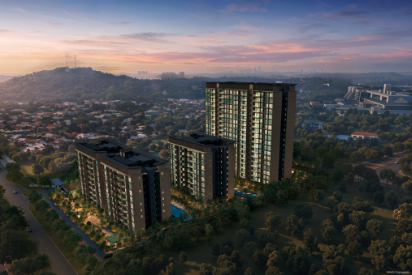
Owning a condominium in Singapore represents a major milestone for many residents, signaling financial stability and a high standard of living. However, purchasing a premium property like the prestigious Lucerne Grand comes with ongoing financial responsibilities, chief among them being the annual property tax. Singapore structures its property tax system to favor owner-occupiers, offering significantly lower rates compared to those who buy real estate strictly for investment purposes. Understanding how the Inland Revenue Authority of Singapore (IRAS) calculates these taxes helps homeowners budget effectively and avoid unexpected financial surprises. This guide breaks down the essential facts regarding property tax rates for owner-occupied condominiums so you can manage your real estate portfolio with confidence.
How IRAS Determines Your Condo’s Annual Value
To understand your tax bill, you must first understand Annual Value (AV). IRAS calculates the AV of your condominium based on the estimated annual market rent of your property if it were to be let out, excluding the cost of furnishing, maintenance fees, and furniture. This means your tax is not based on the purchase price or current market value of your home, but on its rental potential.
Factors Influencing Annual Value
Several factors influence this figure, including the location of the development, the size of your unit, and the amenities provided within the complex. For instance, a boutique development like Dunearn House situated in a prime residential district will naturally command a higher rental potential, resulting in a higher AV than a similarly sized suburban condominium. IRAS reviews the AV of properties annually to reflect market rental trends. If rental rates in your neighborhood rise, your AV will likely increase, even if you have no intention of renting out your home. Homeowners receive an annual valuation notice detailing these changes, allowing them to prepare for the upcoming tax cycle. Keeping a close eye on local rental transactions gives you a realistic preview of where your property’s AV might head in the coming year.
The Progressive Tax Rate Scale for Owner-Occupiers
Singapore employs a progressive tax rate structure for residential properties. Under this system, high-value properties face higher tax rates, while mid-to-low-value homes enjoy lower rates. Owner-occupiers benefit from a generous tax-free threshold and lower tier percentages compared to property investors.
Understanding the Tax Tiers
The progressive scale starts with a zero-tax tier for the first $8,000 of your property’s AV. Beyond this threshold, the tax rates gradually rise. For example, the next bracket up to $30,000 incurs a modest 4% tax rate, which remains highly affordable for most homeowners. However, luxury developments like Lucerne Grand, which often feature spacious layouts and premium finishes, quickly climb into the higher tax brackets. If your condo has an AV exceeding $100,000, the marginal tax rate on the excess amount can reach up to 32% under the latest tax schedules. This progressive structure ensures that high-net-worth individuals contributing to the luxury real estate market shoulder a larger share of the tax burden. By keeping the lower tiers highly concessionary, the government ensures that middle-class families living in typical suburban condos face manageable annual tax liabilities while preserving the progressive nature of national revenue collection.
Comparing Owner-Occupied and Non-Owner Occupied Rates
One of the most crucial distinctions in the Singapore tax code is the difference between owner-occupied and non-owner-occupied tax rates. The government designs this policy to encourage homeownership and discourage speculative buying that could overheat the housing market.
The Cost of Letting Out Your Property
If you reside in your condominium, you qualify for the owner-occupier tax rates. If you choose to rent out the entire unit or leave it vacant as an investment, IRAS applies the non-owner-occupier rates, which do not feature a tax-free threshold. For a property like Dunearn House, the difference in annual tax liability between living in the unit and renting it out can amount to thousands of dollars. Non-owner-occupied properties start taxing the very first dollar of AV at a minimum rate of 12%, with the top tier reaching as high as 36% for properties with an AV over $60,000. Homeowners must officially apply for the owner-occupier tax concession through the IRAS portal once they move into their new home. Failing to update your occupancy status promptly means paying the significantly higher investment rates, which can drain your liquid cash reserves unnecessarily over several quarters.
Recent Fiscal Adjustments and Luxury Condos
The Singapore government recently implemented property tax hikes targeting high-end residential properties. Announced in Budget 2022 and fully phased in by 2024, these adjustments specifically raised the tax rates for properties with higher AVs, impacting luxury condominiums significantly.
Impact on Premium Real Estate
These tax revisions aimed to enhance wealth taxes and promote a fairer tax system. For prestigious developments like Lucerne Grand and Dunearn House, where units frequently command high rental values due to their premium locations and luxurious amenities, the tax increases have been noticeable. While properties with an AV below $30,000 saw minimal to no changes, luxury units with an AV exceeding $100,000 experienced steep climbs in their annual tax bills. Prospective buyers looking at premium segments must factor these higher ongoing holding costs into their overall financial planning. Calculating the potential tax liability beforehand ensures that your investment remains sustainable over the long term. Even with these increases, Singapore remains an attractive destination for property ownership due to its stable economy, strong legal framework, and excellent infrastructure, though buyers must now handle a more demanding tax landscape than in previous decades.
Conclusion
Managing Singapore’s property tax system requires a clear understanding of how Annual Values and progressive tax rates interact. For owner-occupiers, the tax code offers substantial relief compared to investment property owners, though luxury condo owners must prepare for higher progressive tiers. Whether you reside in a premium development or a cozy suburban condo, staying informed about annual IRAS valuations and policy changes allows you to manage your homeownership costs effectively. By budgeting for these annual payments and understanding how occupancy status affects your tax liability, you can secure your financial peace of mind while enjoying the many benefits of owning prime Singapore real estate.