Top-tier builders separate themselves through verified thermal performance, advanced engineering, and robust material longevity. Instead of competing on initial purchase price, they focus on long-term lifecycle returns. You can evaluate industrial cooling tower manufacturers’ quality by demanding third-party CTI certification and inspecting their documented weld logs.
Premium builders also integrate predictive IoT sensors to prevent unplanned downtime and eliminate energy efficiency drift. By prioritizing these specific elements, you ensure your facility maintains optimal cooling loads during peak demands and protects your operational bottom line.
You need a procurement-grade framework to audit cooling tower manufacturers. This guide provides exactly that. You will learn how to evaluate industrial cooling tower manufacturers’ quality thoroughly. This ensures your project hits its 10-year return on investment targets while maintaining optimal performance.
Table of Contents
1. Introduction: The High Cost of Procurement Neglect
2. The Quality Pillars: Defining Top-Tier Manufacturing
2.1. CTI Performance Validation: Moving Beyond Theoretical Estimates
2.2. Engineering Rigor: Digital Twins and Dynamic Thermal Modeling
2.3. Material Longevity: The Shift to Passivated Stainless and Engineered Plastics
2.4. Operational Resilience: Native IoT and AI-Ready Sensor Integration
3. The 2026 Manufacturer Quality Matrix
4. The Engineering Track Record Audit
4.1. Beyond Brand Longevity: Verifying Recent Commissioning Data
4.2. Internal Talent vs. Outsourced Design: The Professional Engineer (PE) Requirement
5. Quality Assurance: Manufacturing Processes that Matter
5.1. Structural Integrity: Examining Weld Logs and Bond Quality
5.2. Factory-Acceptance Testing (FAT): Eliminating Field Modifications
5.3. Material Certification: ISO Standards vs. Internal Specifications
6. Avoiding the Hidden Costs of Quality Neglect
6.1. Preventing Efficiency Drift: The 15% Electricity Penalty
6.2. Water Chemistry Impact: Basin Leakage and Coating Failure
6.3. Regulatory Liability: Legionella Risks and Drift Eliminator Standards
7. Conclusion: Resilience is a Sourcing Decision
8. Frequently Asked Questions (FAQs)
The Quality Pillars: What Defines Top-Tier Manufacturing?
You must understand the benchmarks that separate industrial giants from commodity builders. Leading cooling tower manufacturers focus on long-term reliability. They do not cut corners to lower the purchase price.
CTI Performance Validation
Consulting engineers require absolute certainty for process cooling. A CTI-certified unit serves as the only acceptable risk-mitigation tool. The Cooling Technology Institute tests and verifies that industrial cooling towers perform to their exact specifications. You should never accept theoretical estimates for thermal performance.
Engineering Rigor
Do not settle for basic drawings. Look for tower manufacturers that use dynamic thermal modeling. Top-tier companies integrate digital twin technology to guarantee performance. This engineering rigor ensures your system handles extreme loads. It optimizes the design wet bulb temperature for your specific climate.
Material Longevity
The year 2026 brings a massive shift toward highly durable materials. You will see a strong preference for passivated stainless steel and engineered plastic cooling towers. Companies like Delta Cooling Towers set high standards for corrosion resistance. Top manufacturers offer 20-year structural warranties. They do not merely offer standard five-year parts coverage.
Operational Resilience
Modern heavy industrial facilities require smart infrastructure. Top builders provide native integration of predictive IoT sensors. These sensors monitor vibration, water conductivity, and fan analytics. They help you achieve energy savings and lower your overall lifecycle costs.
The 2026 Manufacturer Quality Matrix
You can use a diagnostic tool to evaluate the status of different cooling tower companies. This matrix compares a generic builder against a top cooling tower manufacturer.
- Thermal Validation: Generic builders offer theoretical estimates. Top-tier builders provide third-party CTI-certified performance. This guarantees your peak uptime.
- Manufacturing Quality Assurance: Commodity builders rely on visual inspections. Premium builders maintain documented weld logs to ensure absolute structural integrity.
- IoT Capability: Standard traditional cooling towers require manual data logging. Advanced tower tech features predictive AI-ready sensors. This technology significantly lowers maintenance costs.
- Compliance Status: Commodity evaporative cooling towers meet minimal basic standards. Top units maintain strict ASHRAE 188 compliance. This reduces your legal and insurance risks.
- Parts Strategy: Generic brands often force you to buy proprietary components. The best manufacturers use standardized, interchangeable parts to maximize cost efficiency.
The Engineering Track Record Audit
You must look beyond the age of the brand. Evaluating the cooling tower engineering expertise of a supplier requires deep investigation. You must find the right cooling tower manufacturer for your exact needs.
The Legacy Trap
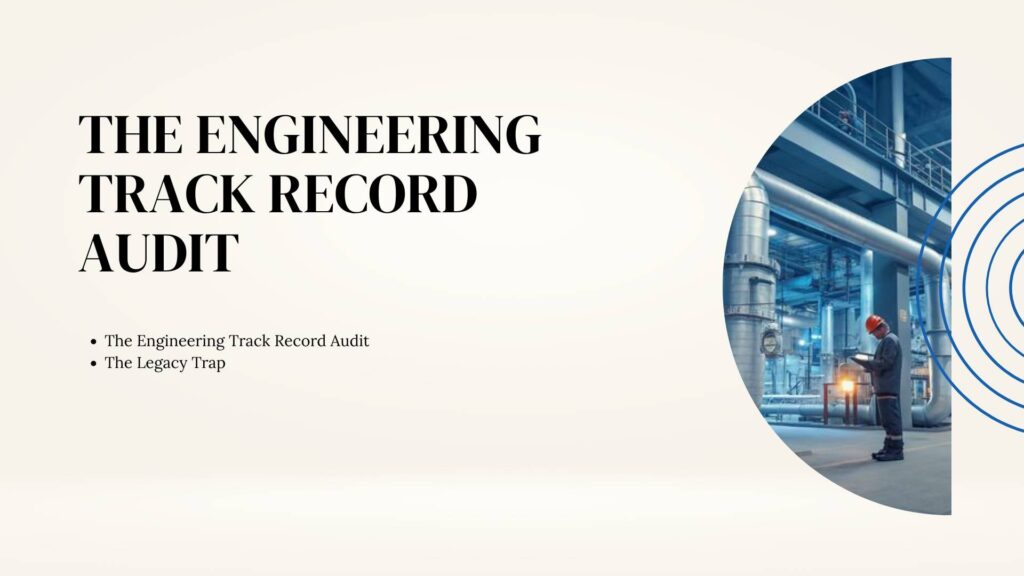
Do not just check the age of the brand. You must check the tower manufacturer’s track record for recent project data. Ask them for case studies from the last three years. Verify that they have successfully commissioned towers in your specific environment. Do they have experience with chemical processing, power generation, or data centers?
Engineering Expertise
A global leader in tower manufacturing will maintain exceptional internal talent. Ask if the manufacturer employs in-house professional engineers. These experts must oversee all structural design and wind load calculations. Outsourced engineering often leads to critical vulnerabilities in mechanical equipment.
Quality Assurance: Manufacturing Processes that Matter
The factory floor dictates the future lifespan of your evaporative fluid coolers and air-cooled heat exchangers. You must examine the specific manufacturing processes of your chosen supplier.
Weld and Bond Integrity
Stress cracking ruins thermal efficiency. You must request documentation on all structural bonding processes. Strict quality control prevents early-stage material degradation in custom cooling solutions.
Factory-Acceptance Testing
The best manufacturers allow owners to conduct comprehensive factory-acceptance testing. You should test factory-assembled units before the tower reaches the job site. This proactive step eliminates installation delays and costly field modifications.
Material Certification
You must ensure all components meet international standards. Partner with an ISO cooling tower manufacturer to guarantee material purity. Do not accept internal company grade specifications for your heat exchangers or closed circuit coolers.
Avoiding the Hidden Costs of Quality Neglect
When you compromise on quality, you pay the price later. Quality neglect introduces severe hidden costs into your commercial HVAC systems and industrial cooling solutions.

Prevent Efficiency Drift
Poor-quality fill media degrades quickly in counterflow cooling towers and crossflow cooling towers. A minor two percent decline in thermal efficiency creates major problems. This degradation can increase your electricity consumption by fifteen percent annually. You will spend thousands of extra dollars just to maintain basic operational efficiency.
Understand Water Chemistry Impact
Low-quality internal coatings fail rapidly under standard water treatment protocols. Harsh chemicals eat through cheap materials in evaporative condensers. This leads to severe basin leakage in under five years. Repairing existing systems requires extensive downtime.
Eliminate Regulatory Liability
You cannot ignore health and safety standards. Using non-compliant drift eliminators poses a massive danger. It can turn your equipment into a Legionella hazard. This exposes power plants and industrial applications to massive liability.
Conclusion: Resilience is a Sourcing Decision
Selecting a manufacturer is a twenty-year commitment. You are marrying their engineering philosophy and their tailored solutions. Therefore, it is essential to prioritize industrial cooling tower manufacturers’ quality by choosing partners whose quality data aligns directly with your strict uptime requirements.
In 2026, the real operational win is lifecycle return on investment. Do not focus solely on the lowest invoice for your packaged cooling systems or portable chillers. Cheap equipment always costs more in the long run. You must secure energy-efficient designs that deliver true value.
Is your project cooling infrastructure built to withstand the next decade? Take the necessary steps to verify your equipment. Consult with Industrial Cooling Solutions for a manufacturer-agnostic performance audit to find your perfect thermal fit today. Ensure you partner with the right cooling tower company to secure your operational future.
Frequently Asked Questions
How do I assess industrial cooling tower manufacturers quality?
When you evaluate industrial cooling tower manufacturers quality, you must look beyond the initial purchase price. We recommend checking for CTI certification, advanced engineering practices, and proven structural longevity. A reliable manufacturer guarantees peak uptime and lower lifecycle costs. By focusing on these core elements, you ensure your process cooling setup remains durable and highly effective for decades.
What are the main benefits of upgrading our cooling tower systems?
Upgrading your cooling tower systems provides massive operational advantages. Modern units feature smarter technology that significantly lowers maintenance expenses and prevents unexpected downtime. When we replace aging infrastructure with advanced designs, you gain a more reliable process cooling cycle. This proactive upgrade keeps your facility running smoothly during peak summer days while reducing overall water consumption and operational risks.
How can we improve the energy efficiency of our cooling equipment?
You can boost your energy efficiency by selecting units with high-quality fill media and variable frequency drives. These components allow fans and pumps to adjust speed based on real-time load demands. Regular maintenance and proper water treatment also prevent scale buildup, which forces motors to work harder. Implementing these simple strategies keeps your power bills low and extends equipment lifespan.
Are custom cooling solutions better than standard off-the-shelf units?
Yes, custom cooling solutions often deliver a much better return on investment. Standard units might seem cheaper initially, but they rarely match your facility’s exact requirements. When we tailor evaporative coolers or fluid coolers to your specific climate and structural load, you achieve optimal thermal control. A tailored approach ensures your infrastructure handles heavy industrial demands without failing under pressure.
Why is validated thermal performance critical for new installations?
Validated thermal performance guarantees your equipment will meet its specific cooling targets under extreme conditions. If a unit falls short of its rated capacity, your entire operation faces serious risks. By demanding third-party CTI certification, you verify that the unit delivers the exact heat rejection promised. This crucial validation step protects your facility from costly efficiency drift and system bottlenecks.