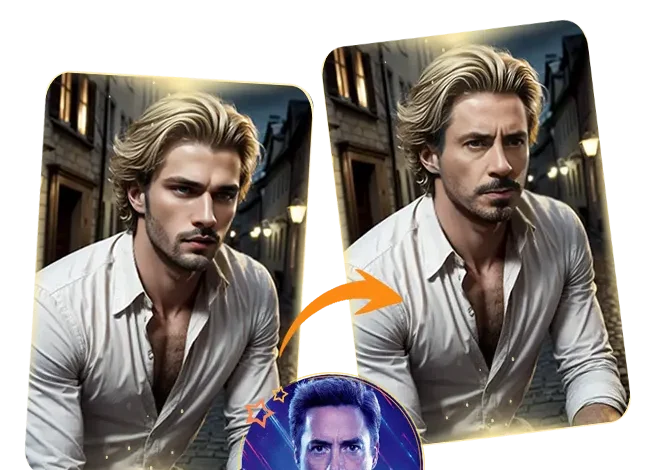
These days, switching faces in videos using smart software feels almost ordinary. Thanks to clever programs, changing one person’s face for another happens quick, looks real, yet stays easy to do. Social apps use it for fun, while serious film teams rely on it too. Anyone playing around with visuals might find this tool surprisingly useful. What once seemed like sci-fi now sits inside everyday tech, waiting to be used.
This piece dives into AI Face Swap by breaking down how it functions within videos, moving through real world uses alongside hurdles that come up. A look at what drives change comes before examining outcomes both good and rough. Where things might head pops up after considering today’s limits mixed with current progress. Each part connects without rushing ahead or skipping steps along the way.
AI Face Swap Explained?
Face swapping through artificial intelligence means changing a person’s facial features in pictures or clips using smart software. While old-school image adjustments demand time, practice, and careful handwork, these modern systems handle most steps on their own. What once took hours now happens quickly, thanks to pattern recognition trained on countless examples. Accuracy improves when the technology studies angles, lighting, expressions – matching them closely behind the scenes. Instead of relying only on human precision, machines learn how faces shift and adapt across movement and shadows. Results feel more natural because subtle details like skin texture or eye shape get adjusted without obvious fixes.
These days, artificial intelligence that swaps faces runs on tools like
- Deep learning
- Neural networks
- Computer vision
- Facial recognition
- Generative adversarial networks (GANs)
Faces shift in real time when light changes, thanks to software that reads expressions and subtle motion. What you see adapts as the system tracks every tilt and shadow across skin and bone.
Nowadays, swapping faces with AI shows up everywhere – on phones, websites, even high-end programs meant for editors. Apps bring it close; web tools open access without downloads; complex systems let pros refine every shift.
How Video Face Swapping Works
Though swapping faces in photos isn’t new, turning that into smooth video takes far greater skill. Instead of just one moment, the tech must follow expressions through countless moving scenes. What makes it tougher is keeping the face looking right from second to second. Each frame gets adjusted, yet the person still needs to appear natural. Matching light, angle, and motion becomes essential work behind the scenes
- Facial expressions
- Head movements
- Eye movements
- Lighting conditions
- Skin texture
- Camera angles
The process typically involves several stages:
1. Face Detection
Out of each frame, faces emerge one by one. Where eyes once blurred into pixels, edges sharpen – nose curves traced, jawlines outlined through quiet math
- Eyes
- Nose
- Mouth
- Jawline
- Facial contours
2. Facial Mapping
A signal triggers the system to scan, then it builds a precise outline of facial traits using measured distances between key points. Instead of just spotting eyes or nose, it records how each element fits within the whole structure.
3. AI Training
A fresh look at how it works begins with scanning the face in view. Learning kicks off once patterns start emerging through smart algorithms. What stands out gets remembered by design. Recognition grows sharper each time a model adjusts.
4. Face Generation
A computer makes a new face appear, yet keeps how it moves and shows feelings. Still, the old motions stay exactly like they were before.
5. Frame Rendering
A fresh face appears smoothly in each scene, fitting naturally throughout the clip. Frame by frame, it moves without breaks, looking real in motion.
Funny thing is, these swaps now do what once took tons of VFX effort – back when only big studios could pull it off. Tools today handle the job quietly, almost without notice, where earlier versions stumbled badly. What used to need weeks fits into minutes, shaped by smarter code running behind simple interfaces. Each step forward chips away at old limits, making yesterday’s impossible feel routine.
AI face swap gains popularity
Ai face swap grows common with easier tools and wider use
Accessibility
Fake faces once needed big budgets, fancy gear, locked inside editing suites. Now, pocket-sized devices tap smart algorithms – effortless switches happen anywhere.
Speed
Out of nowhere, old-school VFX edits drag on for days. Meanwhile, swapping faces with AI wraps up fast – sometimes under ten minutes.
Realism
Out of today’s advanced neural networks come lifelike results – faces shift and smile just like real ones. These systems learn patterns so well, motion flows without stiffness. Not forced, but smooth, almost indistinguishable from human behavior. Driven by layers of computation, subtle details emerge naturally. Realism builds step by step through repetition and data exposure.
Creative Freedom
Out of nowhere, tools once too costly to even consider are now within reach for those making content. A shift like this changes how ideas come to life.
AI face swap uses
The use cases for Video Face Swap technology continue to expand across numerous industries.
Entertainment Industry
The film and entertainment industries have embraced AI face swap technology for:
- Visual effects production
- Character replacement
- Digital de-aging
- Historical recreations
- Special effects sequences
With smart choices, filmmakers cut down on time without sacrificing visuals. Costs drop when planning happens early. Strong imagery often comes from simpler methods. Efficiency shows up best in finished projects.
Social Media Content
Social media creators frequently use AI face swap tools to create:
- Comedy videos
- Memes
- Viral challenges
- Character impersonations
- Entertainment content
Now here’s a twist – apps such as TikTok, Instagram, yet also YouTube made face swaps spread fast. While some scroll past, others keep sharing, feeding the trend without pause. Not every post sticks, still many do, slipping into feeds day after day. Behind each switch lies just one tap, though results spark reactions wide and sudden.
Marketing and Advertising
Businesses use AI face swap technology for:
- Personalized advertising campaigns
- Product promotions
- Influencer marketing
- Interactive customer experiences
- Brand storytelling
Most folks pay more attention when videos feel made just for them.
Education and Training
Educational institutions and corporate training programs utilize video face swap technology for:
- Interactive learning materials
- Historical simulations
- Language instruction
- Employee training
- Educational entertainment
Gaming Industry
Game developers increasingly implement AI face swap capabilities for:
- Character customization
- Avatar creation
- Virtual reality experiences
- Interactive storytelling
- Personalized gaming environments
AI face swap tools offer quick image editing with realistic results
There are numerous advantages to using AI Face Swap solutions.
Cost Efficiency
A single frame might cost a fortune when done by hand. Yet machines now shape visuals just as well – for far less.
Time Savings
Faster edits happen when faces swap by machine. Timelines shrink without manual work holding things up.
User-Friendly Experience
Most current face swap tools work without needing any special skills.
High-Quality Output
From deep within code, lifelike faces emerge – skin shifts naturally, motion flows without delay. Expressions form through careful timing, not forced design. Each blink, each subtle shift shaped by unseen math patterns. Realism grows where detail meets precision, quietly, steadily.
Scalability
Out of nowhere, companies now produce massive amounts of custom video without slowing down. One moment it’s an idea, the next it’s ready – streamlined, fast, shaped for individuals.
What to check in AI face swap tools
AI face swap platform selection factors
Realistic Facial Rendering
The software should accurately preserve:
- Facial expressions
- Eye movement
- Skin texture
- Emotional expression
High Resolution Support
Quality tools support:
- HD video
- 4K video
- Professional rendering formats
Fast Processing
Smarter algorithms cut down processing delays while boosting how smoothly tasks move through production pipelines.
Privacy Protection
Built into every scan, protection must guard personal details tightly. Where faces are stored, safeguards go beyond basic steps. Each platform holds a duty when images move through systems.
Multiple Format Support
Good software supports various:
- Image formats
- Video formats
- Export settings
- Platform integrations
Challenges and Ethical Considerations
Even so, swapping faces in videos brings up serious moral questions. Still, the tech comes with useful perks too.
Misinformation Risks
Fake faces built too well might slip into videos that twist the truth. A single altered clip could carry lies without raising alarms at first glance. These swapped features often blur what’s real, making trust harder to hold onto. Hidden behind lifelike details, deception finds a quiet way in.
Privacy Concerns
A person’s image might be misused when shared without consent. This step often crosses lines people expect others to respect.
Identity Protection
Protecting personal identity information starts when companies put up barriers against abuse. Ways to block improper use grow stronger through careful planning by teams. Safeguards take shape once trust gets balanced with control measures. Preventing harm means setting limits early on during data handling.
Content Verification
Fake videos and images feel real now, so telling what’s genuine feels harder each day. Reality slips further away when machines shape how we see things.
Using AI to swap faces needs clear rules. Honesty matters when showing who is involved. People must agree before their image gets changed. Doing this right means following fair practices. What counts is treating others fairly each step.
Deep Learning and Face Swapping in Videos
Faster progress in deep learning pushed AI face-swapping forward. Though machines now learn patterns better, results changed step by step. Because neural networks grew smarter, swapping faces got smoother. Even small tweaks brought noticeable shifts. While earlier attempts looked odd, current versions feel more real. As training data expanded, systems adapted quietly behind the scenes.
Several AI techniques contribute to modern face swap systems:
Generative Adversarial Networks (GANs)
A pair of neural networks make up GANs, operating side by side. One creates outputs while the other evaluates them. Together they push each other forward through competition. Learning happens as one tries to fool the other. Progress emerges from this back-and-forth challenge
- A generator creates synthetic faces.
- A discriminator evaluates realism.
This competition results in increasingly realistic outputs.
Convolutional Neural Networks
Faces get picked apart by CNNs, their details spotted with sharp accuracy.
Transformer Models
New Transformer Architectures Enhance Model Performance Through Dynamic Context Handling
- Motion consistency
- Facial expression accuracy
- Temporal coherence
- Video quality
Still moving forward, these tools stretch how far face swaps in videos can go. New methods open paths once thought out of reach. Progress creeps in through small steps, each one building differently than before. What seemed impossible now shows up in subtle shifts across frames.
AI face swap changes ahead
One day soon, swapping faces in videos might become surprisingly common. How this tech evolves could depend on choices people make today. Expect changes that nobody saw coming last year. Right now, progress moves faster than most realize. Some new twist always seems just around the corner.
Real-Time Face Swapping
One moment you’re yourself, next moment someone else shows up on screen without delay. Live videos won’t need pauses – changes happen while people are still talking. Calls shift faces smoothly, like swapping a mask mid-sentence. Instant swaps mean no waiting, just new visuals appearing as if always there.
Improved Realism
Fine details in faces will get sharper as machines learn expressions bit by bit. Emotions start to show more clearly through tiny shifts in digital eyes or lips. Motion becomes smoother, less stiff over time. Progress creeps forward with each small upgrade in how systems see and mimic people.
Virtual Reality Integration
Face swap technology will become increasingly integrated into:
- Virtual reality
- Augmented reality
- Mixed reality experiences
Personalized Content Creation
One moment it’s a face, next it’s a story shaped just for you – brands shift, creators follow. Personal touches slip into every clip, quietly. Not mass messages anymore, instead: moments built around one person at a time. A viewer becomes the center, pulled close by detail. Each video bends slightly, fitting like worn-in shoes.
AI Content Authentication
Out of nowhere, tools could pop up that spot fake videos or texts made by machines. Sometimes they work quietly behind the scenes, checking what’s real. Other times, a new method arrives without warning, sorting truth from tricks. These changes might just shift how people trust what they see online.
Responsible Use of AI Face Swapping
To Use Ai Face Swap Technology Responsibly Users Should Follow Several Best Practices
- Before showing how a person looks, get their okay first.
- When it makes sense, mention if something came from an AI. Being open about that matters in the right situations.
- Guarding someone’s private space matters just as much as honoring their creations. What you overlook today might be what others defend tomorrow.
- Avoid creating misleading or harmful content.
- Start with tools that guard your data well. Pick systems built to keep information safe. Rely on software known for strong protection. Go for solutions designed with privacy in mind.
- Obey what the community rules say instead of ignoring them.
Using it carefully means this strong tool can keep helping both makers and listeners in equal measure.
Conclusion
Now picture this: swapping faces in videos used to be magic reserved for big studios – today anyone can do it. Thanks to tools that shift appearances seamlessly, creative doors have swung wide open far beyond just fun clips online. Whether shaping ads, spicing up classroom demos, or reimagining movie scenes, fresh uses pop up constantly around the globe.
One step ahead, artificial intelligence pushes face swaps closer to real life. Efficiency grows, options widen – all without slowing down. Think carefully though, because using this tech right matters just as much. Huge gains wait around the corner if handled with care.