Gorilla Trekking in Uganda: The Complete Guide for an Unforgettable Wildlife Experience

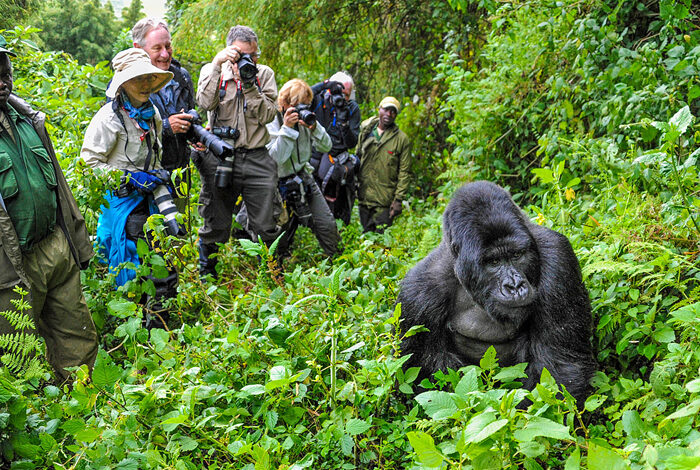
Uganda is one of Africa’s most remarkable destinations for wildlife enthusiasts, offering spectacular scenery, diverse ecosystems, and once-in-a-lifetime safari adventures. Among its greatest attractions is the opportunity to see endangered mountain gorillas living freely in their natural rainforest habitat. Few wildlife experiences compare to standing just a short distance from these gentle giants, making gorilla trekking one of the most sought-after adventures in East Africa.
Every year, visitors from around the world travel to Uganda to trek through ancient forests in search of habituated gorilla families. Beyond the excitement of the journey itself, gorilla tourism plays a significant role in protecting these endangered animals while creating sustainable income for nearby communities. Uganda has become a global leader in responsible wildlife tourism through strict conservation efforts, well-managed national parks, and experienced ranger guides.
Whether you’re planning your first African safari or an unforgettable safari in gorilla habitats, this guide covers everything you need to know about gorilla trekking—from the best places to visit and permit requirements to expert trekking tips and conservation efforts.
Why Uganda Is One of the Best Places to See Mountain Gorillas
Uganda protects one of the largest remaining populations of endangered mountain gorillas anywhere in the world. These rare primates exist only within a small region spanning Uganda, Rwanda, and the Democratic Republic of Congo, making sightings incredibly special.
What makes Uganda particularly attractive is its commitment to balancing tourism with conservation. Visitor numbers are carefully controlled through a permit system that limits daily access to gorilla families. This approach protects the animals while giving travelers an intimate and respectful wildlife encounter.
Income generated from gorilla permits directly supports wildlife conservation, anti-poaching initiatives, park management, scientific research, and local development projects. Every trek contributes to preserving one of the world’s most endangered species.
Best National Parks for Gorilla Trekking
Uganda offers two exceptional destinations where visitors can experience mountain gorillas in their natural environment.
Bwindi Impenetrable National Park
Bwindi Impenetrable National Park is Uganda’s most famous gorilla trekking destination and a UNESCO World Heritage Site. Known for its ancient rainforest, steep hills, and extraordinary biodiversity, the park is home to numerous habituated gorilla families available for daily trekking.
Its thick vegetation creates an authentic jungle experience, while the surrounding landscape supports hundreds of bird species, colorful butterflies, and several other primates. Because Bwindi contains the country’s largest gorilla population, it also provides the greatest number of trekking permits, making it the preferred choice for many travelers.
Mgahinga Gorilla National Park
Located within the beautiful Virunga Mountains, Mgahinga Gorilla National Park offers a quieter and more exclusive trekking experience. Although much smaller than Bwindi, its volcanic scenery and lush forests create an unforgettable backdrop for wildlife adventures.
The park is home to the famous Nyakagezi gorilla family, well known for its fascinating group dynamics and active behavior. Since visitor numbers are generally lower, many travelers enjoy a more peaceful and personal trekking experience.
In addition to gorilla trekking, visitors can also explore volcano trails, track golden monkeys, and discover unique caves within the park.
What Happens During a Gorilla Trek?
Your adventure begins early in the morning with a briefing from Uganda Wildlife Authority rangers. During this session, you’ll learn about trekking procedures, safety guidelines, and the rules designed to protect both visitors and gorillas.
After the briefing, small groups are assigned to different gorilla families. Led by experienced trackers and armed ranger guides, you’ll hike deep into the rainforest while following signs of the gorillas’ movements.
The length of the trek varies depending on where the gorillas have traveled that day. Some groups are found within an hour, while others require several hours of hiking through steep slopes, muddy trails, and dense vegetation.
Once your group locates the gorillas, you’ll spend one unforgettable hour observing them from a safe distance. Watching these incredible animals feed, groom one another, care for their young, and interact naturally is an experience that leaves a lasting impression.
Best Time to Visit Uganda
Gorilla trekking is available year-round, but weather conditions vary throughout the seasons.
Dry Season
The dry months offer the easiest trekking conditions and are considered the best time to visit.
- June to September
- December to February
During these periods, hiking trails are generally less muddy, making the trek more comfortable.
Rainy Season
Uganda also welcomes visitors during its wetter months.
- March to May
- October to November
Although rain can make trails more challenging, the forests become incredibly green and vibrant. These months often see fewer tourists, making permits easier to obtain.
Gorilla Trekking Permits
Every visitor must obtain an official gorilla trekking permit before entering the parks. These permits are issued by the Uganda Wildlife Authority and are carefully managed to limit human interaction with gorilla families.
Each permit allows one hour of observation with a habituated gorilla group under the supervision of professional rangers.
Because permits frequently sell out during peak travel seasons, booking several months in advance is strongly recommended.
Many travelers choose to arrange permits, transportation, accommodations, and safari logistics through experienced tour operators such as Watatu Travel, making the planning process much simpler and stress-free.
Rules Every Visitor Must Follow
Protecting mountain gorillas is the highest priority, so every visitor must follow strict regulations during the trek.
Key guidelines include:
- Stay at least seven meters away from the gorillas.
- Do not participate if you have flu, fever, or any contagious illness.
- Keep noise to a minimum and avoid sudden movements.
- Follow instructions from your ranger guide at all times.
- Never touch, feed, or attempt to approach the gorillas.
These precautions help reduce stress for the animals and lower the risk of disease transmission.
Essential Packing Tips
Preparing properly will make your trekking experience far more enjoyable.
Wear Appropriate Clothing
Choose waterproof hiking boots with good grip, long trousers, long-sleeved shirts, gardening gloves, and a lightweight rain jacket. Forest conditions can change quickly, so dressing for wet and uneven terrain is essential.
Be Ready for Physical Activity
The hike can involve steep climbs, slippery paths, and dense vegetation. A moderate level of fitness will make the experience much easier and more enjoyable.
Bring Important Essentials
Pack drinking water, energy snacks, insect repellent, sunscreen, a small backpack, and a quality camera to capture memories of your adventure.
Trust Your Guides
Local trackers possess extensive knowledge of gorilla behavior, forest navigation, and wildlife safety. Their expertise greatly enhances the overall experience while ensuring responsible tourism practices.
Supporting Conservation Through Responsible Tourism
One of the greatest benefits of gorilla trekking is the positive impact it has on conservation and local communities.
Tourism revenue helps fund wildlife protection, ranger patrols, habitat preservation, scientific research, and anti-poaching programs. At the same time, nearby communities benefit from employment opportunities in guiding, hospitality, transportation, and local crafts.
Uganda’s conservation-focused tourism model has become one of Africa’s greatest wildlife success stories, contributing significantly to the steady recovery of mountain gorilla populations.
Final Thoughts
Gorilla trekking in Uganda is far more than a safari activity—it’s a rare opportunity to experience one of nature’s most extraordinary encounters. Whether you’re exploring the ancient forests of Bwindi Impenetrable National Park or the dramatic volcanic landscapes of Mgahinga Gorilla National Park, every trek offers unforgettable memories and a deeper appreciation for wildlife conservation.
With careful planning and support from experienced tour operators like Watatu Travel, visitors can enjoy a safe, well-organized adventure while helping protect one of the planet’s most endangered species.
For anyone seeking authentic wildlife experiences, breathtaking landscapes, and meaningful travel, gorilla trekking in Uganda remains one of the most rewarding adventures Africa has to offer.