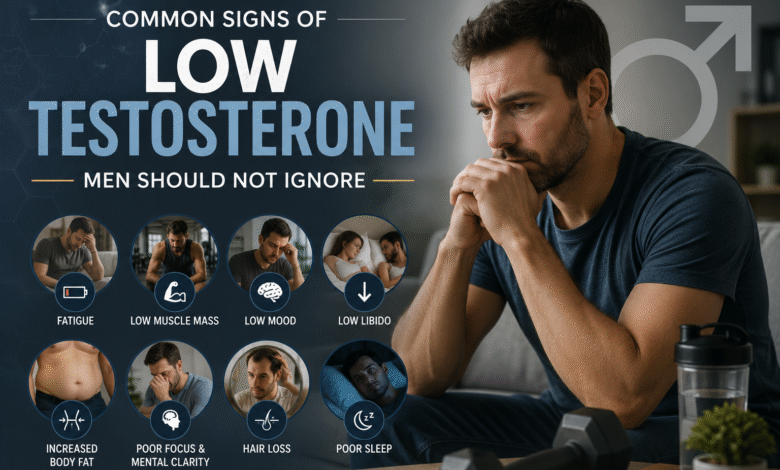
Low testosterone can affect energy, mood, sexual health, body composition, and long term wellness, yet many men dismiss the symptoms as normal aging. For men who notice persistent changes in how they feel, medically guided support such as men’s hormone therapy can help identify whether testosterone is truly low and what options may be appropriate.
Testosterone is one of the main hormones involved in male health. It supports libido, sperm production, muscle strength, red blood cell production, bone density, fat distribution, and general vitality.
A temporary dip in energy after a stressful week is common. Ongoing symptoms that affect daily life are different and should not be ignored.
What Low Testosterone Means
Low testosterone means the body is not producing enough testosterone for healthy function. Doctors may also call it testosterone deficiency or male hypogonadism.
Testosterone levels naturally change throughout life. They are usually highest in early adulthood and gradually decline with age.
Research suggests testosterone may decline by about 1 percent to 3 percent per year in aging men. Some studies have found that low levels become more common in men in their 60s, 70s, and 80s.
Still, age alone does not prove a man has low testosterone. A proper diagnosis usually requires both symptoms and consistently low blood test results.
This is why guessing is risky. A man may feel tired because of low testosterone, but he may also have sleep apnea, depression, thyroid disease, diabetes, chronic stress, or medication side effects.
Low Sex Drive
One of the most common signs of low testosterone is a noticeable drop in sex drive. This does not mean every change in desire is hormonal.
Stress, relationship strain, poor sleep, alcohol use, anxiety, and certain medications can all affect libido. The concern grows when low desire is persistent and feels different from a man’s normal baseline.
Testosterone plays an important role in sexual interest. When levels are low, a man may feel less motivated, less responsive, or less connected to intimacy.
This symptom can be difficult to discuss, but it is one of the clearest reasons to speak with a qualified provider.
Erectile Difficulties
Low testosterone can contribute to erectile problems, although it is rarely the only possible cause. Blood flow, nerve health, heart health, blood sugar, and mental health can also play major roles.
A man with low testosterone may have trouble getting or maintaining an erection. He may also notice fewer morning erections.
Erectile changes can sometimes be an early signal of cardiovascular or metabolic concerns. That makes medical evaluation important.
Instead of treating the symptom alone, a clinician can look at the larger health picture and decide whether hormone testing, vascular evaluation, or other care is needed.
Ongoing Fatigue
Everyone feels tired sometimes. Low testosterone related fatigue is often deeper and more persistent.
Men may describe it as low drive, reduced stamina, heavy tiredness, or the feeling that normal tasks take more effort than they used to.
This kind of fatigue may not improve much with coffee or a weekend of rest. It can affect work, exercise, motivation, and family life.
Because fatigue has many possible causes, blood testing and a full health review are important. Iron levels, thyroid function, sleep quality, blood sugar, and stress should also be considered.
Loss of Muscle Mass
Testosterone helps support muscle growth and maintenance. When levels fall, some men notice reduced strength or visible muscle loss.
This can happen even when a man stays active. Workouts may feel harder, recovery may take longer, and progress may slow.
A man may also notice that his body feels softer or less defined. This can be frustrating, especially if diet and exercise habits have not changed much.
Low testosterone is not the only cause of muscle loss. Low protein intake, aging, inactivity, chronic illness, and poor sleep can also contribute.
Increase in Body Fat
Some men with low testosterone notice increased body fat, especially around the abdomen. This may occur alongside reduced muscle mass.
Body composition matters because muscle and fat influence metabolism in different ways. Less muscle may reduce overall calorie use, while more abdominal fat may be linked with insulin resistance and inflammation.
The relationship can work both ways. Excess body fat may contribute to lower testosterone, and lower testosterone may make fat gain easier.
That cycle is one reason medical guidance can be helpful. A plan may need to address hormones, nutrition, exercise, sleep, and metabolic health together.
A provider can help determine whether hormone levels are part of the issue or whether another condition needs attention.
Mood Changes and Irritability
Low testosterone can affect emotional health. Some men feel more irritable, impatient, sad, or emotionally flat.
Others describe reduced confidence, lower motivation, or less enjoyment in activities they used to like.
These changes are sometimes mistaken for burnout or personality changes. In some cases, they may overlap with anxiety or depression.
Men should not assume mood symptoms are only hormonal. Still, if mood changes appear with low libido, fatigue, and body composition changes, testosterone testing may be reasonable.
Brain Fog and Poor Focus
Some men with low testosterone report trouble concentrating. They may feel mentally slower or less sharp than usual.
Brain fog can affect work performance, decision making, and motivation. It can also make other symptoms feel worse because the person feels less in control.
Poor sleep, stress, depression, low vitamin levels, and blood sugar problems can also cause brain fog. That is why a broad medical review is better than guessing.
If focus problems are new or worsening, they deserve attention.
Sleep Problems
Sleep and testosterone are closely connected. Poor sleep can lower testosterone, and low testosterone can also make men feel tired during the day.
Some men notice insomnia, restless sleep, or waking up unrefreshed. Others may have sleep apnea, which is common in men with weight gain and can affect hormones and energy.
Sleep apnea is especially important because it can increase health risks if untreated. Loud snoring, gasping during sleep, and morning headaches are warning signs.
A doctor may recommend sleep evaluation before or during hormone related care.
Low Bone Density
Testosterone supports bone health. When levels are low for a long time, bone density may decline.
This can increase the risk of fractures, especially as men age. Bone loss is often silent until an injury happens.
Men often think of osteoporosis as a women’s health issue, but men can develop it too. Low testosterone is one possible contributor.
If a man has unexplained fractures, height loss, or long standing hormone symptoms, bone health should be discussed.
Reduced Fertility
Low testosterone can be linked with reduced sperm production, but treatment decisions require care. Some testosterone therapies can reduce sperm production further.
Men who want future fertility should tell their doctor before starting any hormone treatment. This is not a small detail.
There may be different treatment approaches depending on the cause of low testosterone and fertility goals.
A responsible provider will review this before recommending therapy.
When Symptoms Should Prompt Testing
Men should consider medical evaluation when symptoms last for several weeks or months, especially when more than one sign appears together.
Testing is usually done with a blood test, often in the morning when testosterone levels tend to be higher. Many guidelines recommend confirming low levels before making a diagnosis.
The goal is not to start treatment automatically. The goal is to understand what is happening and choose the safest next step.
Why Medical Supervision Matters
Testosterone therapy is not something men should start without medical guidance. It requires proper diagnosis, dosing, monitoring, and follow up.
A provider may monitor testosterone levels, red blood cell counts, prostate related markers when appropriate, symptoms, side effects, and overall health response.
This matters because too much testosterone or poor monitoring can create risks. Treatment should be personalized and adjusted when needed.
Medical supervision also helps separate true testosterone deficiency from other problems that can look similar.
A Local Wellness Perspective
Men in the Baltimore area who want thoughtful hormone evaluation may consider Green Relief Health as part of their wellness journey. The aesthetic spa is associated with care guided by Dr. Lauren Nawrocki, where men can discuss symptoms in a professional and respectful setting.
The value of this kind of care is not just access to treatment. It is the chance to ask questions, review lab results, and understand whether hormone support fits the person’s health goals.
Men often wait too long because they feel embarrassed. A medical conversation can make the process clearer and less stressful.
Final Thoughts
Low testosterone can affect sexual health, energy, mood, muscle, body fat, sleep, focus, bone health, and fertility. These signs should not be ignored when they are persistent or affecting quality of life.
At the same time, symptoms alone are not enough for a diagnosis. Many conditions can mimic low testosterone, which is why medical testing matters.
The best next step is not self diagnosis. It is a guided evaluation that looks at the whole person and creates a safe path forward.