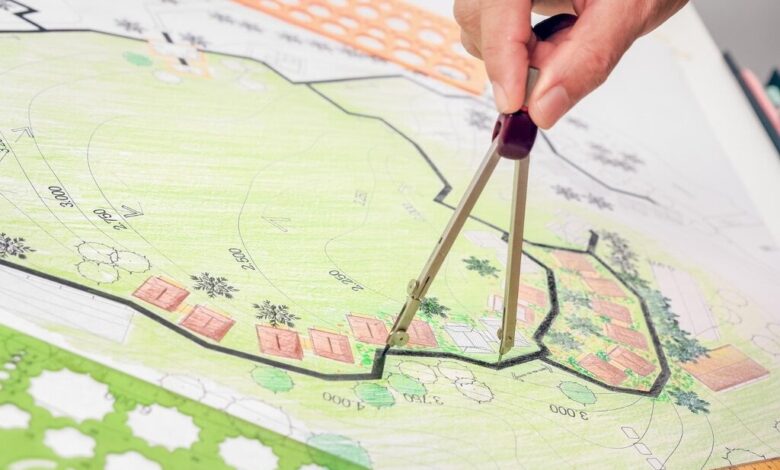
Splitting one parcel of land into multiple lots sounds straightforward until the paperwork begins. The land subdivision process involves legal approvals, engineering surveys, council regulations, and title changes that trip up even experienced developers. Getting one step wrong can delay your entire project by months. To access expert tools and resources that simplify each stage visit site and take control of your subdivision journey.
What Is the Process to Subdivide Land?
Subdividing land involves splitting a single plot into two or more separately titled parcels through a legal and planning process. It begins with consulting your local planning authority to confirm regulations, followed by commissioning a licensed surveyor to map existing boundaries.
Once a formal planning application is approved, a solicitor registers each new title with the Land Registry. Many landowners pursue subdivision as part of a broader income strategy, developing plots and letting them under a guaranteed rent arrangement to secure a fixed monthly income without the uncertainty of voids or tenant management.
Who Approves Subdivision?
Subdivision applications are assessed and approved by local councils and planning authorities. They approve it after looking at zoning rules, infrastructure capacity and environmental impact.
What Documents Do I Need?
Generally, an applicant is required to submit a subdivision plan, survey report, title documents, drainage layout and planning statement. The requirements are the location and the number of lots created.
How Long Does the Process Take?
Timelines depend on region, council workload and project complexity. Simple two-lot subdivisions can be done in three to six months, but larger developments can take over two years. can take three to six months, while larger developments may take over two years.
Determining Subdivision Feasibility Prior to Application

Most developers skip a proper feasibility check before lodging their application and regret it later. Start by verifying the zoning classification, minimum lot size requirements, and any easements on the title. These issues can prevent new boundaries from being drawn, so never overlook them.
Assess the topography, soil conditions, and proximity to utilities early to control your engineering costs. Doing all of this upfront gives your application a much stronger chance of approval. Also, look at similar subdivisions that have been approved in your area to get a sense of what is realistic.
One of the best things a developer can do is speak to a town planner before they start spending money on surveys or engineering. A single pre-application meeting can reveal deal-breaking constraints early and reshape your whole project before costs begin to climb.
Key Stages of the Land Subdivision Process
Following the steps in sequence will reduce costly delays and ensure compliance at each step.
- Please check zoning, land use overlays and council requirements before you submit.
- A registered surveyor prepares the subdivision plan, which accurately sets out the boundaries of the new lots.
- Make a formal application, including all supporting documents, to the relevant planning authority.
- The Council will consider the application and, if acceptable, may require further reports and conditional approval.
- Perform all necessary civil works, including roads, drainage, water and power hook-ups to each lot.
- Final survey lodged on completion of works, individual titles issued for each new lot.
Subdivision Approval Requirements by Stage

The table below outlines typical requirements for each step in the approval process. Always check with your local planning authority, as requirements vary from jurisdiction to jurisdiction.
| Stage | Main requirement | Who’s To Blame?” |
| Pre-Application | Zoning and feasibility check | Developer or Planner |
| Filing an Application | Subdivision plan and documents | Surveyor or Developer |
| Council Assessment | Environmental and planning review | Local Council |
| Conditional Approval | Engineering works and compliance | Developer or Engineer |
| Final Clearance | Sign-off infrastructure | Council or Utilities |
| Title Registration | Survey lodgement and registration | Surveyor or Land Registry |
What It Actually Costs to Subdivide Land
Subdivision costs are one of the most underestimated risks of property development, and most guides never go into enough detail. A typical residential subdivision of two lots costs $30,000-$80,000. Huge multi-lot projects often cost well over $150,000 before the first lot is sold. Knowing these costs upfront protects your margins and prevents budget blowouts mid-project.
- Surveying fees include the preparation and lodgement of the official subdivision plan. Surveying fees include the preparation and lodgement of the official subdivision plan.
- The council charges fees for planning applications so it can process your application.
- Roads, drainage and public utilities are subject to council infrastructure fees.
- Civil engineering includes road upgrades, stormwater systems, and service connections.
- Legal costs per new lot include title transfer, covenant review and conveyancing.
- The cost of utility connections includes extensions of water, power and sewerage to individual lots.
- Always keep 15 to 20 per cent in reserve for unanticipated council conditions.
Common Mistakes Developers Make During Subdivision
Mistakes that are easily avoided are made by even experienced developers, pushing out timelines and blowing budgets sky-high. One of the most costly errors is to forego pre-application meetings with the council, as the conditions can be clarified early at no cost. There are huge budget overruns mid-project due to overestimating the infrastructure costs, especially for drainage and road improvements.
And if the original title didn’t check for easements and encumbrances, the subdivision plan may be legally impossible to implement. There is also the risk of full rejection at the assessment stage if you work with unregistered surveyors or old plans.
Conclusion
The land subdivision process rewards developers who plan carefully and understand every step before starting. Costs, council requirements, and feasibility checks all determine whether your project moves forward or stalls. Skipping any stage leads to delays, budget blowouts, and applications that fail to get approved.
Get the right information and the right team behind you, and your project will deliver solid returns. And your subdivision project stands a far stronger chance of delivering real returns.
Faqs
Q1. Can I subdivide land without hiring a licensed surveyor?
No, a licensed surveyor is legally required to prepare and lodge the official subdivision plan for title registration.
Q2. Does completing a subdivision increase my overall land value?
Yes, subdivided land almost always sells for significantly more than keeping it as one single undivided parcel.
Q3. What is the minimum lot size allowed for subdivision purposes?
Minimum lot sizes vary by council zone and region, so always check local planning schemes before assuming feasibility.
Q4. Can agricultural land be subdivided and converted to residential use?
Only if rezoning is approved first, as changing land use requires a separate planning amendment before subdivision proceeds.
Q5. Do I need a property lawyer during the subdivision approval process?
Yes, a property lawyer reviews title documents, approval conditions, and legally handles the transfer of each new lot title.