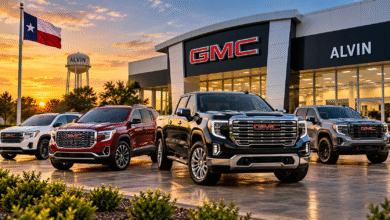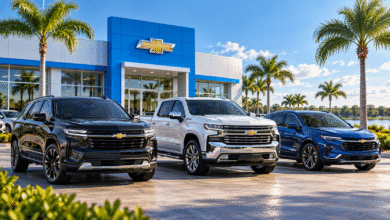
A road trip from St. Louis can involve everything from interstate cruising and suburban roads to scenic routes and changing weather conditions. For a used vehicle to handle these trips comfortably, buyers should look beyond appearance and mileage. Reliability, tire condition, braking performance, cabin comfort, cargo space, fuel economy, and maintenance history can all influence the experience. Drivers comparing Used Cars for sale in St Louis should consider how well each vehicle matches the demands of both everyday driving and longer journeys. A thoughtful inspection before purchase can help identify a used car that is prepared for regular road-trip duties.
Reliable Mechanical Condition
Reliability should be one of the first considerations when choosing a used vehicle for road trips. A car that performs well around town may still have underlying maintenance needs that become more noticeable during extended highway driving.
The vehicle’s service history can provide useful information about oil changes, brake work, tire replacements, fluid services, and other maintenance. The Federal Trade Commission recommends researching a used vehicle’s history and obtaining an independent inspection before buying. A history report can reveal certain accidents, ownership information, repairs, and title issues, but it does not replace a mechanical inspection.
A qualified mechanic can evaluate components that may not be obvious during a dealership walk-around or short test drive.
Tires Ready for Long-Distance Driving
Tires deserve particular attention before any road trip. Long highway drives place continuous demands on tires, making proper inflation, tread condition, and overall tire health important.
The National Highway Traffic Safety Administration recommends checking tire pressure when the tires are cold and inspecting tread and sidewalls for cuts, punctures, bulges, cracks, or other damage. NHTSA also recommends checking tires before long road trips and replacing tires when tread reaches 2/32 of an inch.
When inspecting a used car, look for uneven tread wear as well. Uneven wear can indicate alignment, suspension, balancing, or inflation problems. The age of the tires also matters because rubber can deteriorate over time even when a vehicle has relatively low mileage.
Dependable Braking Performance
Brakes are another critical consideration for road-trip readiness. A used car should provide consistent braking without unusual vibrations, grinding, squealing, pulling, or a soft pedal.
During a test drive, pay attention to how the vehicle slows from different speeds. Braking should feel predictable, and the car should remain stable when the brakes are applied.
Brake fluid should also be inspected as part of regular maintenance. NHTSA’s basic vehicle maintenance guidance recommends checking fluids, including brake fluid, along with engine coolant and other applicable fluids.
If there is uncertainty about the condition of the braking system, a professional inspection before purchase can help identify worn components.
Comfortable Highway Handling
Road trips can involve several hours behind the wheel, so a suitable used car should feel stable and comfortable at highway speeds. During the test drive, evaluate steering response, suspension behavior, seat support, and road noise.
The vehicle should track predictably without requiring constant steering corrections. Excessive vibration through the steering wheel or seat may indicate tire, wheel, suspension, or alignment issues.
St. Louis-area drivers may encounter a combination of interstate travel, urban traffic, and road construction. MoDOT notes that work zones are common on state roads and advises drivers to slow down, avoid distractions, and remain alert.
A vehicle that feels composed in different driving situations can make longer trips less tiring.
Useful Fuel Economy
Fuel economy can have a noticeable impact on the cost of frequent road trips. However, buyers should consider fuel efficiency alongside vehicle size, passenger capacity, cargo needs, and expected driving patterns.
A smaller sedan or compact SUV may make sense for travelers who typically carry one or two passengers and modest luggage. A larger SUV may use more fuel but provide additional seating and cargo capacity for families.
Hybrid models can also be worth considering for drivers who combine city commuting with longer highway journeys. The important point is to choose a powertrain that fits the vehicle’s actual use rather than selecting a car based solely on its advertised fuel-economy figure.
Adequate Passenger and Cargo Space
A vehicle that feels spacious during a five-minute dealership visit may feel very different after several hours with multiple passengers and luggage.
Consider how many people will usually travel together and how much equipment they carry. Test the rear seats and examine legroom, headroom, and access. Open the trunk or cargo area and determine whether suitcases, coolers, backpacks, or other common road-trip items can fit comfortably.
If the rear seats fold, test the folding mechanism. Also check whether the cargo floor is practical for loading and unloading heavier items.
The goal is not necessarily to choose the largest vehicle. Instead, the vehicle should provide enough space for the trips you actually expect to take.
Strong Air Conditioning and Climate Control
Climate control becomes particularly important during extended travel. Test the air conditioning, heater, fan speeds, vents, and temperature controls before purchasing a used vehicle.
Make sure the system produces consistent airflow and that the cabin reaches the desired temperature without unusual noises or odors. For vehicles with dual-zone or multi-zone climate control, test each available setting.
NHTSA recommends checking air-conditioning performance before road trips, noting that the system works harder to keep occupants comfortable during hot weather.
A climate-control problem may be inconvenient around town but become much more noticeable during several hours on the road.
Modern Connectivity and Navigation
Technology can add convenience during long-distance travel. Depending on the vehicle’s age and trim, useful features may include smartphone integration, Bluetooth, navigation, USB ports, wireless charging, and a larger infotainment display.
Before buying, test the system rather than assuming every feature works simply because it appears in the specifications. Pair a phone if possible and check the audio system, touchscreen, navigation functions, and steering-wheel controls.
Good connectivity can make it easier to manage calls, music, navigation, and other tasks while keeping the driver’s attention focused on the road.
Safety Features for Highway Travel
A used car can offer valuable driver-assistance features even if it is several years old. Depending on the model, these may include forward collision warning, automatic emergency braking, blind-spot monitoring, lane-departure warning, adaptive cruise control, rear cross-traffic alert, and backup cameras.
Buyers should confirm which systems are actually installed on the specific vehicle. Equipment can differ significantly between model years and trims.
Driver-assistance technology should be viewed as an additional layer of support rather than a replacement for attentive driving. Understanding how the systems operate and their limitations is just as important as having the features themselves.
Battery, Cooling System, and Fluids
A road trip places sustained demands on the engine, electrical system, and cooling system. Before buying a used vehicle, ask whether the battery has been tested and whether there are records of cooling-system maintenance.
NHTSA recommends checking coolant levels and specifications, inspecting for leaks, and having the battery and charging system checked when preparing for a long journey.
Also examine the engine compartment for obvious fluid leaks, damaged hoses, or signs of corrosion. Preventive maintenance can reduce the likelihood of avoidable problems during a trip.
Check for Recalls
A vehicle’s safety recall history is another important consideration. NHTSA provides a VIN-based recall lookup tool that allows buyers and owners to determine whether a vehicle has an outstanding safety recall.
A recall does not automatically mean a vehicle should be avoided. Instead, buyers should determine whether the required repair has been completed. If an open recall exists, ask about the repair process and whether the manufacturer provides the necessary remedy.
Checking recalls is a simple step that can provide useful information before purchase.
Consider the St. Louis Driving Environment
A suitable road-trip vehicle should also work for the driving required before and after the trip. St. Louis drivers may encounter interstate congestion, construction areas, bridges, urban streets, and suburban routes.
MoDOT’s current transportation information shows major routes throughout the St. Louis region, including I-44, I-55, I-64, I-70, I-170, I-270/255, and Route 364.
This variety makes versatility useful. A vehicle should be comfortable in traffic but also stable and efficient during longer highway journeys.
Take a Thorough Test Drive
A test drive should be more than a quick trip around the block. If permitted, drive at different speeds and on different types of roads. Test acceleration, braking, steering, visibility, climate controls, and infotainment functions.
Listen for unusual sounds and notice whether the vehicle remains comfortable after more than a few minutes. Try parking and reversing as well.
The FTC recommends an independent inspection before buying a used vehicle because even a vehicle history report cannot identify every mechanical problem.
Combining a thorough test drive with professional inspection provides a more complete picture of the vehicle’s condition.
Conclusion
A used car suitable for St. Louis road trips should offer more than attractive styling and a reasonable price. Reliable mechanical condition, healthy tires, dependable brakes, comfortable highway handling, adequate cargo space, effective climate control, useful connectivity, and appropriate safety technology all contribute to a better long-distance driving experience.
Before making a purchase, review the vehicle’s history, check for recalls, inspect the tires and fluids, take a comprehensive test drive, and arrange an independent mechanical inspection. NHTSA also recommends checking tire pressure, fluids, lights, batteries, and other essential systems before long journeys.
By evaluating a used vehicle from both an everyday-driving and road-trip perspective, buyers can make a more informed choice and prepare for comfortable travel beyond the city.