Trekking in Nepal: Everest Base Camp Trek, Annapurna Circuit Trek, and Langtang Valley Trek—Which Adventure Matches Your Travel Style?

So you’ve decided you want to go trekking in Nepal? Good choice, but now comes the hard part, picking a route. Every year thousands of trekkers land in Kathmandu with big dreams and a backpack full of questions, and honestly most of them get stuck at the same point, Everest Base Camp Trek or Annapurna Circuit Trek or maybe Langtang Valley Trek. Each one pulls you in a different direction, literally and figuratively.
Nepal isn’t just a country with mountains; it’s the country when it comes to Himalayan trekking. Home to eight of the world’s fourteen highest peaks, it draws hikers, photographers, spiritual seekers, and plain old adventure junkies from every corner of the planet. The Everest Base Camp Trek gives you that legendary Everest views and Sherpa culture combo. The Annapurna Circuit Trek offers insane diversity, from subtropical forest to high desert in a matter of days. And Langtang Valley Trek, often overlooked, gives you all that Himalayan magic without needing three weeks off work. Whichever one calls your name, this guide breaks it down so you actually pick the right one instead of guessing.
Why Trekking in Nepal Is on Every Adventure Traveler’s Bucket List
There’s a reason Nepal keeps showing up on every “must visit before you die” list, and it’s not just marketing. The landscapes alone do half the work: snow-capped giants, terraced hillsides, and glacial rivers cutting through valleys that look almost too dramatic to be real. But it’s more than scenery.
Walk through any trekking village, and you’ll bump into centuries-old monasteries with prayer flags flapping in the wind and locals who’ll invite you in for tea like you’re an old friend, not a stranger with trekking poles. The mountain communities, Sherpa, Gurung, and Tamang, each bring their own flavor of culture, food, and hospitality to the trail.
Then there’s the sheer variety of routes. Whether you want high-altitude passes, gentle valley walks, or wildlife spotting in national parks thick with red pandas and Himalayan tahr, Nepal has a trail for it. And compared to trekking elsewhere in the world, it’s shockingly affordable: tea houses, porters, guides, and permits—it all adds up to way less than you’d expect for an experience this big.
Everest Base Camp Trek – The World’s Most Iconic Himalayan Journey
Overview of the Everest Base Camp Trek
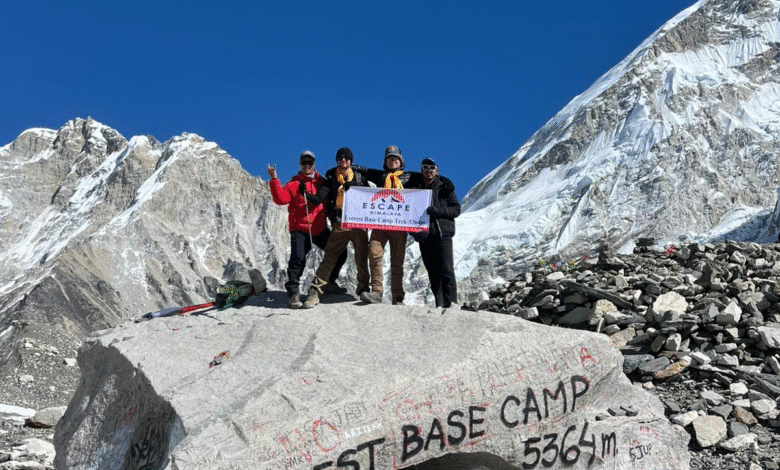
The Everest Base Camp Trek is the one everybody’s heard of, and for good reason. It takes you straight into the Khumbu region, right at the foot of the world’s tallest mountain. You’ll fly into Lukla, wind through Sherpa villages, and climb steadily toward the base of Everest itself, roughly 12 to 14 days round trip depending on your pace and route.
Major Highlights
The Lukla flight alone is an adventure, short and thrilling, landing on one of the world’s most famous airstrips. From there you’ll pass through Namche Bazaar, the bustling trading hub of the Khumbu, then Tengboche Monastery, perched with jaw-dropping mountain backdrops. Push on to Kala Patthar for arguably the best sunrise view of Everest anywhere on the trail, and finally, Everest Base Camp itself, the finish line everyone’s chasing.
Trek Difficulty
This one’s moderately challenging, not technical climbing, but the altitude is the real test. You’ll cross 5,000 meters, and that thin air makes even flat stretches feel like uphill battles some days.
Best Time to Visit
Spring, March to May, and autumn, September to November, are your best windows. Clear skies, stable weather, good visibility of the peaks.
Required Permits
You’ll need the Sagarmatha National Park Permit and the Khumbu Rural Municipality Permit, both easy to arrange in Kathmandu or Lukla.
Accommodation and Meals
Tea house trekking is the norm here, with simple rooms, hearty dal bhat, noodles, and the occasional bakery surprise in bigger villages like Namche.
Who Should Choose the Everest Base Camp Trek?
If you want bragging rights, iconic views, and don’t mind pushing your lungs at altitude, this is your trek.
Annapurna Circuit Trek – Nepal’s Most Diverse Trekking Route
Overview of the Annapurna Circuit Trek
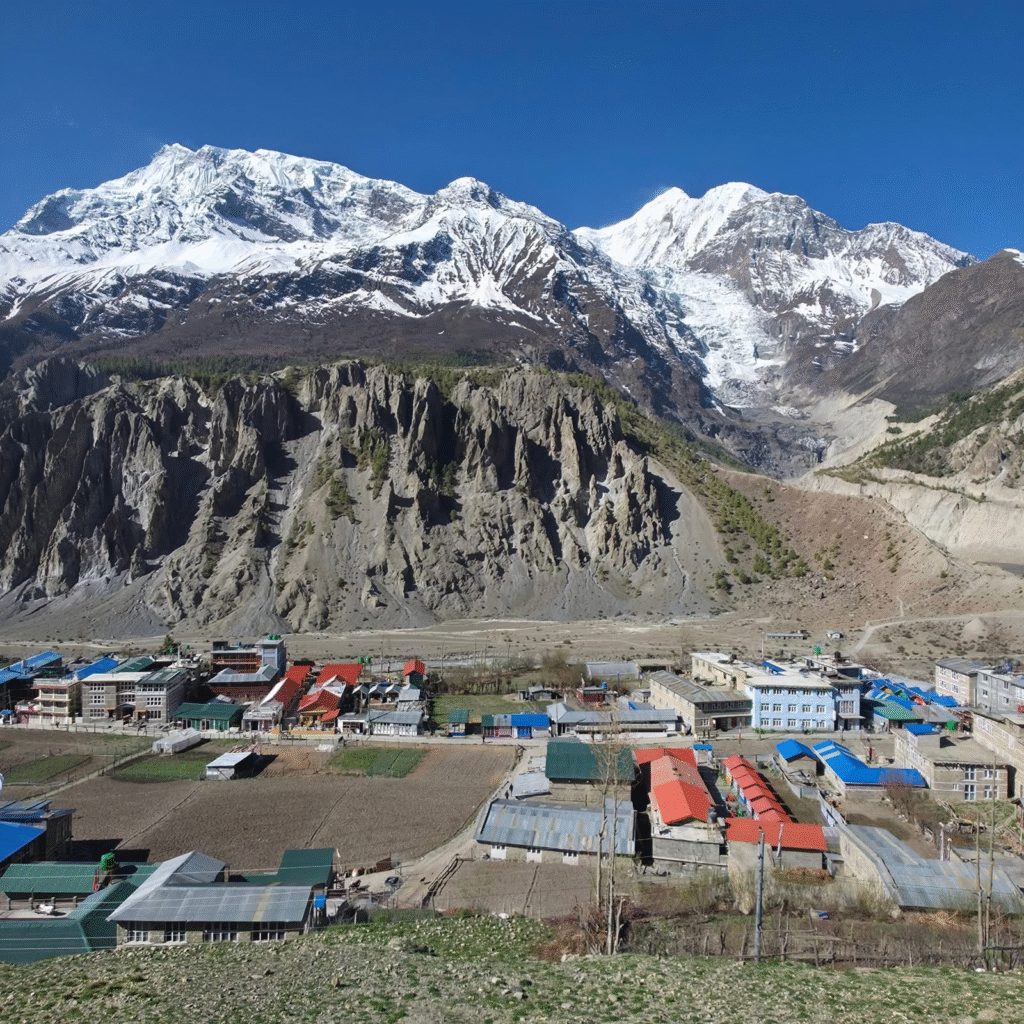
The Annapurna Circuit Trek is often called the most varied trek on earth, and once you walk it, you’ll get why. It loops around the Annapurna massif, taking you through lush lowland villages, arid Tibetan-influenced plateaus, and over one brutal but beautiful mountain pass. Most trekkers spend around 15 to 18 days on the full circuit, though shorter versions exist too.
Major Attractions
The crown jewel is Thorong La Pass, sitting above 5,400 meters, a proper test of legs and willpower. Along the way you’ll pass through Manang, a fascinating acclimatization town, then descend to Muktinath Temple, sacred to both Hindus and Buddhists. Add in apple orchards around Marpha and a string of traditional villages that feel frozen in time, and you’ve got a trek packed with contrast.
Trek Difficulty
Challenging, mostly because of Thorong La Pass. The rest of the trek is manageable for reasonably fit hikers, but that one pass day demands proper preparation.
Best Seasons
Same as Everest, spring and autumn deliver the best conditions, though the circuit’s lower sections stay walkable a bit longer into winter too.
Required Permits
You’ll need the Annapurna Conservation Area Permit, or ACAP, along with a TIMS card in most cases, both of which are straightforward to get through registered agencies.
Accommodation and Food
Tea houses line the entire route, and honestly the food variety here might be the best of all three treks, thanks to the diversity of villages you pass through.
Who Is This Trek Best For?
Travelers who want variety over repetition and cultural depth and don’t mind a longer trek for a bigger payoff.
Langtang Valley Trek – A Peaceful Himalayan Escape Near Kathmandu
Overview of Langtang Valley Trek
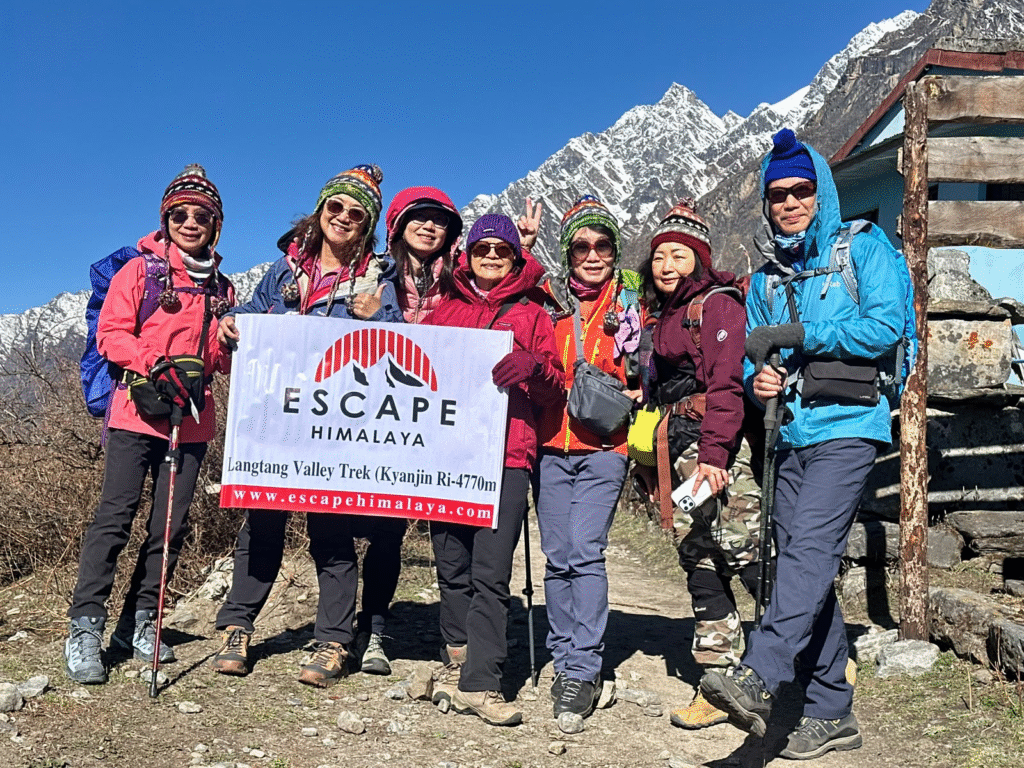
If time’s tight but you still want a proper Himalayan trekking experience, Langtang Valley Trek is the answer. It’s the closest major trekking region to Kathmandu, meaning less travel time and more actual trekking, usually wrapped up in 7 to 10 days.
Main Highlights
You’ll trek through Langtang National Park, home to some genuinely stunning forest and alpine terrain. Kyanjin Gompa serves as a peaceful high point, both literally and spiritually, surrounded by yak pastures and dramatic peaks. The Tamang culture here is distinct and welcoming, and the mountain views, while maybe less famous than Everest, are honestly just as breathtaking.
Trek Difficulty
Easier to moderate. There’s still altitude to deal with near Kyanjin Gompa, but overall it’s far gentler than the other two.
Best Time to Trek
Spring and autumn again take the top spots, though Langtang’s lower elevation makes it a bit more forgiving in winter too.
Required Permits
It’s simply the Langtang National Park permit, plus a TIMS card, with much less paperwork compared to the bigger treks.
Accommodation
Tea houses here are cozier and more intimate, given fewer crowds pass through compared to the Everest or Annapurna regions.
Who Should Choose Langtang Valley Trek?
Perfect for trekkers short on time, first timers testing the waters, or anyone wanting a quieter, less crowded Himalayan escape.
Everest Base Camp Trek vs Annapurna Circuit Trek vs Langtang Valley Trek
| Feature | Everest Base Camp Trek | Annapurna Circuit Trek | Langtang Valley Trek |
| Duration | 12–14 days | 15–18 days | 7–10 days |
| Maximum Altitude | 5,545m (Kala Patthar) | 5,416m (Thorong La) | 4,984m (Kyanjin Ri) |
| Difficulty | Moderate to Challenging | Challenging | Easy to Moderate |
| Scenic Beauty | Iconic, dramatic | Extremely diverse | Peaceful, forested |
| Crowds | High | Moderate to High | Low |
| Budget | Higher | Moderate | Lower |
| Culture | Sherpa heritage | Gurung, Thakali, Manangi | Tamang culture |
| Wildlife | Limited | Moderate | Rich, national park |
| Best For | Bucket list trekkers | Adventure and variety seekers | Time-limited first-timers |
Which Trek Is Best for Beginners?
Honestly, this depends a lot on your fitness and how your body reacts to altitude, which nobody really knows until they’re up there. If you’ve never done a multi-day hike before, the Langtang Valley Trek makes the most sense: shorter duration, gentler altitude gain, and fewer days where things can go sideways.
That said, if you’re already reasonably fit, jog a few times a week, and are comfortable with long walking days, the Everest Base Camp Trek is doable as a first Himalayan trek too; plenty of first-timers do it every season. Just build in proper acclimatization days and don’t rush the altitude.
The Annapurna Circuit, because of Thorong La Pass, is probably better saved for once you’ve got at least one trek under your belt, though it’s not impossible for a determined beginner with good preparation.
Best Time for Trekking in Nepal
Spring trekking, March through May, brings blooming rhododendrons, warmer days, and generally stable weather, though afternoon haze can occasionally soften those distant mountain views.
Autumn trekking, from September to November, is widely considered the golden season; crisp air, crystal-clear visibility, and comfortable daytime temperatures make this the busiest but most rewarding stretch of the year.
Winter trekking, December to February, gets cold, especially at higher elevations, and some high passes may close due to snow, but lower routes like parts of Langtang remain accessible with fewer crowds.
Monsoon trekking, from June to August, brings heavy rain, leech-filled trails, and limited mountain visibility and is generally best avoided unless you’re heading to rain shadow areas like Upper Mustang.
Essential Packing List for Nepal Treks
Good trekking boots, already broken in, are non-negotiable; blisters can ruin a trek fast. Pack a solid down jacket for those cold mountain evenings, plus thermal clothing layers for changing temperatures throughout the day. Rain gear matters even outside monsoon season; mountain weather flips quickly. Trekking poles save your knees on long descents, and a proper sleeping bag rated for cold temperatures keeps you comfortable in basic tea houses.
Water purification tablets are a smart backup when bottled water isn’t available or eco-friendly. Don’t skip sunscreen; the sun at altitude is brutal even on cloudy days. A basic first aid kit, a power bank for charging devices in remote areas, and a reliable headlamp round out the essentials.
Trekking Permits Required in Nepal
Permit requirements have shifted a bit over the years, so it’s worth double-checking current rules with a trekking agency before departure. TIMS cards are required for independent trekkers in most regions, though rules vary by area. For the Everest Base Camp Trek, you’ll need the Sagarmatha National Park Permit and the Khumbu Rural Municipality Permit. The Annapurna Circuit Trek requires the Annapurna Conservation Area Permit, or ACAP. The Langtang Valley Trek needs the Langtang National Park Permit. Getting these sorted through a registered agency in Kathmandu saves a lot of hassle.
Tips for a Safe and Enjoyable Trek
Walk slowly, seriously; altitude doesn’t care how fit you are back home. Stay hydrated throughout the day; dehydration makes altitude sickness worse. Acclimatize properly; build rest days into your itinerary rather than rushing toward the top. Hire experienced guides; they know the trail, the weather patterns, and how to handle emergencies. Respect local culture, ask before photographing people, and dress modestly near monasteries. Carry travel insurance that covers high-altitude trekking and emergency evacuation. Pack wisely; don’t overload your bag with things you won’t use. And always check weather forecasts before pushing toward high passes or summit points.
Why Choose Escape Himalaya for Your Trek in Nepal?
Planning a Himalayan adventure becomes much easier with Escape Himalaya, a trusted local trekking company in Nepal. Their experienced guides, personalized itineraries, transparent pricing, and strong knowledge of the mountains help create a safe and enjoyable journey. Whether you choose the Everest Base Camp Trek, Annapurna Circuit Trek, or Langtang Valley Trek, the team provides reliable support from arrival to departure, allowing you to focus on the experience while they handle the logistics.
Conclusion
At the end of the day, there’s no wrong choice among these three, just the right one for where you’re at right now. The Everest Base Camp Trek gives you that legendary, bucket list-worthy journey into the world’s highest mountain range. The Annapurna Circuit Trek rewards you with unmatched diversity and a proper high-altitude challenge. And Langtang Valley Trek offers a shorter, gentler, but still deeply rewarding escape into the Himalayas.
Think about your fitness level, how much time you’ve got, and what kind of experience you’re chasing, then plan ahead for permits, seasons, and proper preparation. However you slice it, trekking in Nepal has a trail waiting that matches your style, so go pick yours and start walking toward it.
Frequently Asked Questions
Which trek is easier, Everest Base Camp or Langtang Valley Trek?
The Langtang Valley Trek is generally easier; shorter duration and lower maximum altitude make it more forgiving for less experienced trekkers.
How many days are needed for the Annapurna Circuit Trek?
Most trekkers need 15 to 18 days for the full circuit, though shortened versions using jeep access can trim that down.
What is the best month for trekking in Nepal?
October is often considered the best overall month, thanks to clear skies and stable weather across most regions.
Do I need a guide for these treks?
While some routes technically allow independent trekking, hiring a guide adds safety, local insight, and support, especially at higher altitudes.
Which trek offers the best mountain views?
Everest Base Camp Trek delivers the most iconic views, but Annapurna Circuit Trek offers the widest variety of mountain scenery along its route.