The CBD market has grown so quickly that it can be hard to tell which products are actually worth your money. Walk down the aisle of any wellness shop, or scroll through an online store, and you will find dozens of options claiming to be the purest, the strongest, or the most effective. Not all of them live up to that.
Choosing a high quality CBD product does not have to be complicated, but it does require knowing what to actually look for. Here are the key factors that separate genuinely good CBD from products that fall short.
Why Does Third Party Lab Testing Matter So Much?
If there is one thing to check before buying any CBD product, it is the lab results. Reputable brands send their products to independent, third party labs for testing, and they make those results, often called a certificate of analysis or COA, easy to find.
A COA should confirm the actual cannabinoid content of the product, showing that what is listed on the label matches what is inside.
It should also test for contaminants like pesticides, heavy metals, mold, and residual solvents. If a brand cannot provide a current COA, or the one they offer is old or vague, that is a serious warning sign.
Lab testing removes the guesswork. It tells you exactly what you are consuming rather than asking you to simply trust a label.
Does the Source of the Hemp Affect CBD Quality?
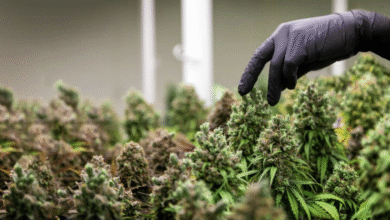
Yes, significantly. Hemp is what is known as a bioaccumulator, meaning it absorbs whatever is present in the soil it grows in, including contaminants. Hemp grown in nutrient rich, well managed soil, ideally through organic or sustainable farming practices, tends to produce cleaner, higher quality CBD.
Brands that are transparent about where their hemp is grown, whether that is a specific farm, region, or country, are generally more trustworthy than those that stay vague about sourcing.
Domestically grown hemp, particularly from states with established hemp farming regulations, often comes with more oversight throughout the growing process.
If a brand is unwilling to share where their hemp comes from, it is worth asking why.
What Extraction Method Produces the Best CBD?
The way CBD is extracted from the hemp plant has a direct impact on purity and quality. CO2 extraction is widely regarded as the gold standard, since it uses pressurized carbon dioxide rather than harsh chemical solvents to pull cannabinoids from the plant material.
This method is more expensive than some alternatives, but it produces a cleaner end product with fewer residual compounds. Ethanol extraction is another respected method, particularly for full spectrum products, though it typically requires additional purification steps afterward.
Be cautious of products that use cheap solvent based extraction methods without clear evidence of proper purification. Residual solvents left behind can affect both safety and the overall quality of the product.
Full Spectrum, Broad Spectrum, or Isolate: Which One Should You Choose?
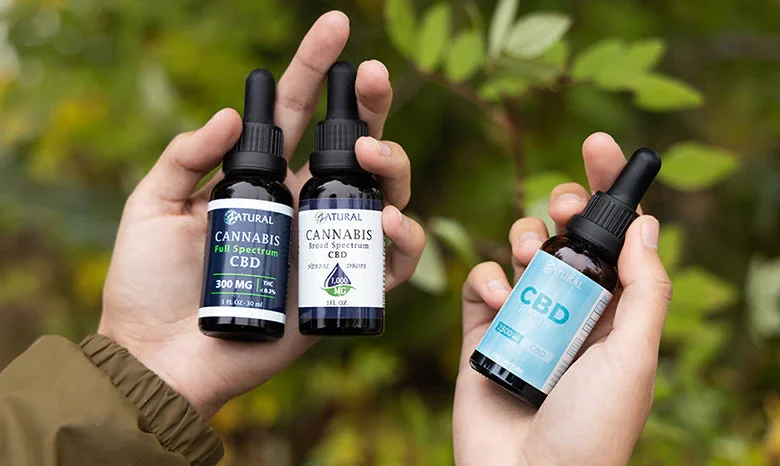
This depends largely on personal preference and what you are hoping to get out of a CBD product. Full spectrum CBD contains a wide range of cannabinoids and terpenes naturally found in the hemp plant, including trace amounts of THC, typically under the legal limit.
Many people believe this combination creates what is called an entourage effect, where the compounds work together for a more noticeable result.
Broad spectrum CBD offers a similar range of compounds but with the THC removed, making it a good option for people who want to avoid THC entirely while still benefiting from other cannabinoids and terpenes. CBD isolate contains only pure CBD, with everything else stripped away.
None of these options is inherently better than the others. It comes down to what you are looking for, and quality brands will clearly label which type their product is so you can make an informed choice.
Brands that produce carefully tested CBD often carry other hemp derived products as well, so if you are curious about branching out beyond CBD, browsing a THCa Clearance selection from a brand you already trust is a low risk way to explore what else they offer.
How Can You Tell If a CBD Brand Is Reputable?
Reputation says a lot, and it is usually easy to check. Look for brands that have been in the market for a reasonable length of time, have visible customer reviews across multiple platforms, and are transparent about their manufacturing process.
Good customer service is also a strong indicator. A brand that answers questions clearly, provides lab results without hesitation, and stands behind their products with a fair return or satisfaction policy is generally more trustworthy than one that is difficult to reach or vague in its responses.
It is also worth paying attention to how a brand talks about its products. Reputable companies tend to avoid making exaggerated medical claims, since CBD is not approved to treat or cure specific conditions. Overpromising is often a sign of a brand more focused on sales than on product integrity.
Does Packaging and Labeling Say Anything About Quality?
More than people expect. Proper labeling should include the total milligrams of CBD in the product, serving size, batch or lot number, and an expiration or best by date. A QR code or link to the COA directly on the packaging is a great sign, since it shows the brand wants that information to be easy to find.
Vague labeling, missing information, or packaging that focuses more on flashy marketing language than actual product details often points to a brand cutting corners elsewhere too.
What About Price? Does Cheaper Always Mean Lower Quality?
Not necessarily, but price is still a useful clue. Producing high quality CBD, from sourcing clean hemp to using proper extraction methods and lab testing every batch, costs money. Prices that seem dramatically lower than the rest of the market can sometimes reflect shortcuts in one of those areas.
That said, fair pricing does not always mean premium pricing. Many trustworthy brands run promotions or clearance style pricing on their hemp derived lineup without compromising on quality, and it is worth watching for those moments.
Final Thoughts
Choosing high quality CBD comes down to doing a bit of homework. Look for current, accessible lab results, ask about hemp sourcing, and pay attention to the extraction method used. Consider what type of CBD product actually fits your needs, and take note of how a brand communicates and labels its products.
None of these checks take long, but together they make the difference between a product that genuinely delivers and one that just looks good on a shelf. With a little practice, spotting a quality CBD product becomes second nature.