The patient-centred, proactive, continuous model is quickly becoming the dominant paradigm in modern healthcare, with the old approach of only going to the clinic when something feels wrong. A large factor contributing to this change is remote patient monitoring software, which effectively connects the person in the comfort of their home to their doctor, allowing health data to automatically flow from one to the other to be acted on in real time.
What Is Remote Patient Monitoring Software?
The software used for remote patient monitoring (RPM) is a computerized system that gathers, transmits, and evaluates patient health data outside of the clinical context. This software can provide your doctor with a complete digital record of your physiological state, which is far more accurate than a single reading taken during a stressful doctor’s appointment, instead of requiring you to wait a month for a check-up.
How RPM Software Works
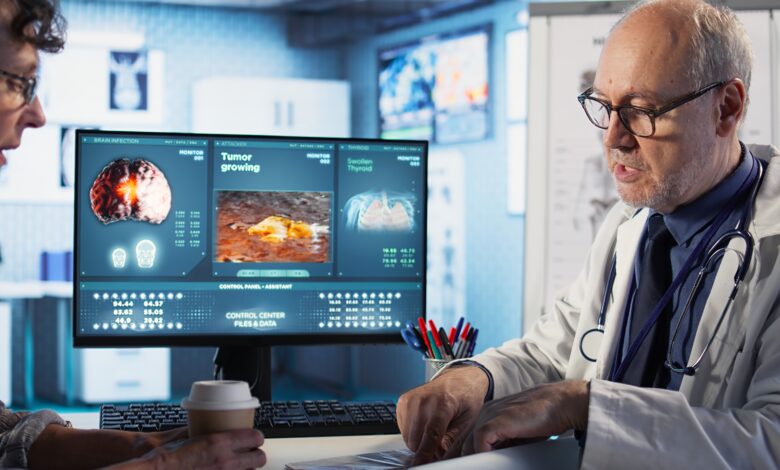
It is a simple procedure for the patient, with a lot of technical “magic” going on in the background; typically, it starts with a patient who uses a specialized medical device at home and then sends data to the RPM software application via Bluetooth or cellular network. This data is then passed to the software, which creates intuitive visuals, like dashboards, for health care providers that can be accessed on the internet often using cloud-based technology, which provides the information anywhere and allows for robust security measures to protect your private health information from unauthorized use.
Devices Used in RPM Systems
But what kind of gadgets are we talking about here, and it’s quite impressive, from digital blood pressure cuffs to weight scales, and from its advanced glucose monitors to its pulse oximeter measuring oxygen levels in blood.
They even include smart watches as wearable devices that can monitor heart rate and sleep patterns, giving a comprehensive picture of a patient’s daily life and physical state, that just wasn’t possible without a patient being admitted to a hospital for observation.
Benefits of Remote Patient Monitoring Software
The transition to RPM is not only a technology, it’s a huge change in how people feel and how long they live. With continuous monitoring of vital signs, health becomes a partnership between patient and healthcare provider as opposed to a succession of emergency measures that only serve to address problems after they arise.
Improved Patient Engagement
With their own data accessible to them in remote patient monitoring software, patients are much more likely to be engaged in their own recovery and health maintenance because they see the direct impact of their lifestyle choices on their numbers. When a doctor says eat less salt, that’s one thing. When your blood pressure drops on a digital graph after you’ve started to do so, that’s another.
Reduced Hospital Readmissions
One of the most painful problems for patients and hospitals alike is the “revolving door” phenomenon, which occurs when someone is let go, only to return a week later to the ER due to a minor problem taking a turn for the worse. RPM software serves as an early warning system, helping physicians recognize a rising temperature, or sudden weight gain, which can be a sign of fluid retention in heart failure patients, and adjust medications over the phone before the problem becomes a full-blown crisis and another hospital stay is needed.
Better Chronic Disease Management
If you have a long-term health condition such as diabetes or COPD, managing it is a full-time job, and RPM software acts as 24/7 support that keeps you connected to the complexities of the disease and makes sure that data is monitored. The software has a week and month-long memory, which allows clinicians to refine treatment plans to a greater degree than would be possible if they were only seeing patients a few times a year in their offices.
Real-Time Health Tracking
The “real-time” element of this technology is important, it eliminates the risk of a delay between a physiological change and a medical reaction. It can alert irregularities in the heart rhythm at 3 AM, before the patient knows that their heart is in trouble, and could save their life.
Key Features to Look for in Remote Patient
Monitoring Software
When you are a healthcare professional interested in using this technology, getting overwhelmed by all of the options is common but narrowing down to a few must-have features will help you select a platform that will streamline your life, not make it more difficult.
HIPAA Compliance
This is a must-have for any medical software, and there can be no compromise on this, the medical software must be able to meet all Health Insurance Portability and Accountability Act (HIPAA) requirements to ensure that patient data is encrypted and handled the most private of ways. When it comes to choosing a vendor, if they can’t show you a security audit report, then you should stay far away; a data breach isn’t only a legal headache, it’s a breech in patient trust.
EHR Integration
You do not want to be switching between five different computer programs all day in front of your doctor, so your RPM software should easily work with your current Electronic Health Records (EHR). This eliminates the chance for transcription errors and keeps all healthcare staff, including the patient, up to date with everyone’s information available to all at each visit.
Automated Alerts and Notifications
The best software will only alert the doctor or nurse when the patient’s information is outside of the healthy range in order to prevent overwhelming information. Such automated notifications give your clinical staff the time to spend on patients requiring immediate intervention and free up your software to be used by patients who are stable, making the practice much more efficient.
AI and Predictive Analytics
The modern software is becoming smarter and smarter and is not just telling what is happening now, but also telling what may happen next due to Artificial Intelligence. Combining slight fluctuations in heart rate, activity, and blood oxygen, predictive analytics can be used to suggest that in the next few days, a patient may be at high risk of falling or having an infection, which means that preventive care can be given that is truly revolutionary.
How Remote Patient Monitoring Software Helps
Healthcare Providers
The patient is the direct beneficiary, but so are the doctors and nurses on the other side of the screen, as well as the overall health of the doctors’ and nurses’ business.
Better Care Coordination
Multiple specialists can easily view the same RPM dashboard, making it much easier to coordinate care for patients that may be receiving care from a cardiologist, nephrologist, and primary care doctor at the same time who have complex needs. This “single source of truth” reduces the risk of medication order conflicts and enables all to work in unison for the patient’s benefit.
Increased Operational Efficiency
This allows clinics to schedule fewer low-value face-to-face visits, while still conducting the majority of monitoring digitally.This will enable clinics to have fewer face-to-face visits, while being able to have more of their monitoring done digitally. It’s not a case of less care, it’s simply smarter care, with the physical office being the venue for procedures and complicated consultations, and routine management running remotely.
Improved Medicare Reimbursements
As a financial consideration, Medicare and many private insurance companies have created dedicated CPT codes to enable providers to receive some form of reimbursement for reviewing RPM data. This establishes a source of sustainable revenue that pays for the technology, and rewards the physician for keeping patients healthy and out of the hospital, connecting dollars to outcomes.
Best Use Cases for Remote Patient Monitoring
Software
Almost all patients can benefit in some ways from some level of monitoring, but in certain areas, monitoring technology is a real lifesaver and a significant improvement on standard patient care.
Diabetes Monitoring
Continuous Glucose Monitors (CGM) on top of RPM software has revolutionized the diabetes experience for people with diabetes, providing a minute-by-minute understanding of how food and activity relates to blood sugar. With a bit of collaboration between patient and practitioner, patients will no longer be subjected to pain at the injection site, and no longer have to guess, which will help them maintain the so-called “time-in-range” and minimize long-term risks of kidney damage and loss of vision.
Hypertension Management
While high blood pressure is a silent killer that doesn’t have symptoms, RPM makes it visible. Doctors can keep track of blood pressure in the patient’s home setting, not the “white coat hypertension” setting at the doctor’s office, and make medication changes accordingly.
Cardiac Patient Monitoring
With patients who have had heart surgery or are suffering from heart failure, RPM can be a lifesaving tool to alert them to the signs of fluid overload or arrhythmia almost immediately. The constant monitoring gives patients a tremendous amount of peace and comfort when they leave the intensive care unit and may feel very vulnerable.
Chronic Care Management
But in the larger scheme of things, anyone who is suffering from more than one chronic disease would benefit from an integrated monitoring system that brings all their vital signs together in one system so that they can better manage interaction between chronic diseases and care.
How to Choose the Right Remote Patient
Monitoring Software
The choice of partner for your RPM journey is a substantial decision and you should find a partner that sees themselves as a long-term business partner and not merely a software vendor.
Scalability
Perhaps you will have 20 patients initially, but you won’t want a software system to slow down or become cumbersome as you expand the program to hundreds, or thousands, of patients.
Vendor Support
All things will not go right, all the time, so you want a vendor that has a strong technical support team and a training team to ensure that your program isn’t slowed down by technical glitches.
Conclusion
Remote patient monitoring software is no longer a technology of the future. It’s a powerful tool for healthcare providers who want to improve the quality of care for their patients and increase efficiency. We’re bringing it home in healthcare, a world of continuous, personal and much more effective care.
Ready to take your patient care to the next level? Hire Tellihealth today!
FAQs
How does remote patient monitoring software work?
Well, it’s very simple. It connects medical devices with an online system. Patients use simple devices to take their own health measurements at home. This information is automatically fed into the software and doctors or nurses can access it, they can identify changes and, if necessary, give a response if they see something that doesn’t seem right.
Is remote patient monitoring software HIPAA compliant?
Indeed, reliable RPM software complies with HIPAA regulations. This suggests that it must follow stringent regulations to safeguard patients’ health information.
Can remote patient monitoring software integrate with EHR systems?
The majority of RPM software available today will interface with EHR systems. This makes it possible for patient data to be streamlined directly into medical records, implying that medical professionals are not need to manually input patient data.
What features should remote patient monitoring software include?
Additionally, the best RPM software is user-friendly for both patients and doctors. Data tracking, alarms for unusual readings, safe data storage, patient dashboards, reporting tools, and EHR connection are some of the main features. Excellent customer service is also advantageous.