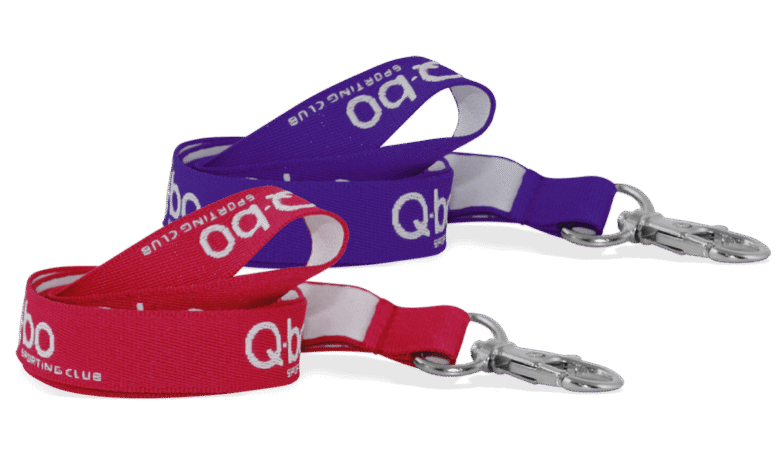
When it comes to organization, security, and branding, the humble lanyard is an indispensable tool. Whether you are managing a massive tech conference, securing a high-clearance government facility, or simply looking for a way to keep your keys handy, the quality of your lanyard matters. However, choosing the right lanyard isn’t just about picking a color; it’s about choosing the manufacturing method.
The two heavyweights in the industry are woven lanyards and printed lanyards. While both serve the same basic function, they differ significantly in texture, aesthetic, and, most importantly, durability. If you are looking for an accessory that will survive years of daily wear and tear, understanding the “Woven vs. Printed” debate is essential.
The Anatomy of the Woven Lanyard
Woven lanyards are often considered the “premium” choice for those who value longevity above all else. Unlike other methods where a design is applied to the surface of the fabric, woven lanyards have the design integrated directly into the structure of the strap.
Using specialized looms, the text and logos are stitched into the polyester webbing using colored threads. This creates a slightly raised, embroidered feel. Because the design is part of the “DNA” of the lanyard, it is physically impossible for the logo to rub off, crack, or fade. Even after months of friction against clothing or exposure to the elements, the message remains as clear as the day it was made. The only downside is that weaving is best suited for simple, bold designs; intricate gradients or high-resolution photos cannot be achieved through stitching.
The Versatility of Printed Lanyards
Printed lanyards generally fall into two categories: Screen Printed and Dye-Sublimated.
- Screen Printing: This involves pressing ink through a mesh stencil onto the surface of the fabric. It results in vibrant, “puffy” logos that stand out. However, because the ink sits on top of the material, it is susceptible to cracking or peeling over long periods of heavy use.
- Dye-Sublimation (Heat Transfer): This is the modern gold standard for printed accessories. The process uses heat to turn ink into gas, which then bonds with the fibers of the polyester. This creates a smooth, “photo-quality” finish that is soft to the touch.
Which Design Method Lasts the Longest?
If we are measuring purely by “life expectancy,” the woven lanyard is the undisputed champion. Because there is no ink involved, there is nothing to wear away. You could run a woven lanyard through a washing machine a hundred times, and while the fabric might eventually fray, the logo will remain intact.
However, durability isn’t just about the design staying visible; it’s about the integrity of the strap. When sourcing high-quality identification products from experts like 4inlanyards, you’ll find that modern dye-sublimation techniques have closed the gap significantly. While a woven lanyard might technically last for a decade, a high-quality sublimated lanyard offers a level of detail and color vibrancy that weaving simply cannot match, while still lasting for several years of professional use.
Factors That Affect Lanyard Lifespan
Regardless of the design method you choose, several external factors will dictate how long your lanyard stays in peak condition:
- Friction and Abrasion: If a lanyard is constantly rubbed against a zipper, a rough uniform, or heavy keys, surface-printed inks will eventually degrade. Woven and sublimated options handle this friction much better.
- UV Exposure: If your team works outdoors, sun exposure can bleach the colors of your lanyard. Sublimated dyes are generally more UV-resistant than standard screen-printing inks.
- The Attachment Hardware: Often, the fabric outlasts the clip. Investing in high-quality lobster claws, bulldog clips, or trigger snaps ensures that the lanyard remains functional even if the strap starts to show its age.
- Fabric Density: A thicker polyester “ribbed” weave provides a stronger foundation for both printing and weaving, preventing the strap from stretching or thinning over time.
The Verdict: Making the Right Choice
Choose Woven Lanyards if:
- You want a classic, professional look.
- Your design is simple (text and basic shapes).
- The lanyards will be used for years (e.g., permanent employee badges).
Choose Printed (Sublimated) Lanyards if:
- You have a complex logo with gradients or many colors.
- You prefer a smooth, silk-like texture against the skin.
- You need a balance between high-end aesthetics and long-term durability.
In conclusion, while woven lanyards technically “last the longest” due to their structural embroidery, the best choice depends on your specific needs. For pure endurance, go woven. For a mix of beauty and strength, sublimation is the way to go. No matter which path you take, choosing a high-quality material foundation is the most important step in ensuring your brand stays visible for the long haul.