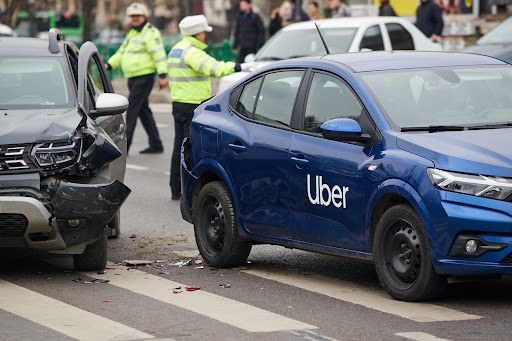
Immediate Steps After An Uber Accident
Getting into an accident while using a rideshare service like Uber or Lyft in Las Vegas can be a really unsettling experience. It’s not just about the damage to the car; it’s about making sure everyone involved is okay and that you protect your rights moving forward. When the unexpected happens, knowing what to do right away can make a big difference in how things play out later.
Prioritize Safety and Seek Medical Attention
Your health and the safety of others should be the absolute first thing on your mind. After the initial shock, take a moment to check yourself and any other passengers for injuries. If it’s safe to do so, move yourselves and the vehicle out of harm’s way, away from ongoing traffic. Even if you feel fine, it’s really important to get checked out by a medical professional as soon as possible. Some injuries, like whiplash or internal issues, don’t always show symptoms right away. Getting a medical evaluation quickly not only helps your health but also creates a record that can be important for any future claims.
Contact Law Enforcement and File a Police Report
Calling the police is a critical step, especially if there are any injuries or significant property damage. In Las Vegas, accidents involving injuries or damage over $750 require a police report. Don’t assume the other driver will call. Make the call yourself to 911. The responding officers will assess the scene, gather information from everyone involved, and document the details of the crash. This official police report is a really valuable piece of evidence that can help establish facts later on. Be sure to ask for a copy of the report once it’s completed.
Document The Accident Scene
While waiting for the police or after they’ve left, take the time to document everything you can at the scene. If you have a smartphone, use it. Take clear photos and videos of the vehicles involved, focusing on any damage. Capture pictures of the surrounding area, road conditions, and any visible injuries. If there are any witnesses, try to get their names and contact information. Jotting down notes about what happened, the time of day, weather conditions, and the direction of travel can also be incredibly helpful. Every detail you can record now could be important later.
Remember, insurance companies are looking out for their own interests. Anything you say or do immediately after an accident can be used by them. It’s best to stick to the facts and avoid admitting fault or apologizing, even if you feel like you might have contributed to the situation. Let the professionals sort out the fault later.
Understanding Liability in Uber Accidents
Sorting out who is responsible after an Uber or Lyft accident in Las Vegas is rarely simple. The answer may depend on who was at fault and what the rideshare driver’s status was at the time of the incident. Here’s a break down of common scenarios:
When the Rideshare Driver Is At Fault
If your rideshare driver causes an accident, both the driver and the company may be responsible for damages. Liability often depends on whether the driver was logged into the Uber or Lyft app and actively engaged in a trip. For most passengers, this means the rideshare company’s corporate insurance policy comes into play. The coverage varies, but typically includes:
- $1,000,000 in liability coverage if the driver has accepted a ride or is carrying passengers
- Smaller limits (around $50,000 per person) if the driver is logged in but waiting for a ride request
- Only the driver’s personal policy applies if the app is off
| Driver Status | Insurance Coverage |
| App off | Driver’s personal insurance |
| App on, no ride accepted | Limited rideshare company coverage (e.g., $50k/$100k) |
| En route/with a passenger | Up to $1 million company coverage |
When Another Driver Is At Fault
It’s common for a third party (like another motorist) to be responsible. In this case:
- Claims start with the at-fault driver’s insurance
- If the at-fault driver is uninsured or underinsured, Uber/Lyft may still provide some coverage if you were a passenger
- If coverage is not enough to pay your losses, you may submit claims through your own auto insurance, if applicable
A few tips if you are a passenger:
- Collect all driver and insurance information at the scene
- Make sure your version of events is included in the police report
- Follow up with Uber or Lyft through the app and keep records
Nevada’s Comparative Negligence Laws
Nevada uses comparative negligence, which means fault can be shared among drivers. If you are found partially at fault (say as a driver or even a passenger who was not wearing a seatbelt), your compensation can be reduced by your share of blame. Here’s how it works:
- If you are 0% at fault, you can recover 100% of your damages
- If you are 25% at fault, you can only recover 75% of your damages
- If you’re 51% or more at fault, you cannot recover damages from the other parties
| Percentage At Fault | How Much You Can Recover |
| 0% | 100% |
| 25% | 75% |
| 50% | 50% |
| >50% | 0% |
Figuring out liability in Uber accidents or Lyft accidents isn’t always clear-cut. Insurance companies might blame each other, and it’s common for several people to share responsibility. If you’re not sure who’s at fault or being treated fairly, talk to an attorney who knows these cases in Las Vegas.
In summary:
- Liability in rideshare accidents is often split between drivers and companies, depending on app status and fault
- Third-party drivers can complicate claims
- Nevada’s comparative negligence law can impact your compensation
Taking the right steps and understanding who might be liable is the best way to protect your claim after an Uber or Lyft accident in Las Vegas.
Navigating Insurance Claims After An Uber Crash
Dealing with insurance after an Uber accident can feel like a maze. It’s not as straightforward as a typical car crash because there are multiple layers of insurance to consider. Understanding these layers is the first step to getting the compensation you might need.
Uber’s Insurance Coverage Levels
Uber’s insurance policy is designed to kick in at different stages of a driver’s activity. This means the amount of coverage available can change depending on what the driver was doing when the accident happened.
- App Off: If the driver’s app is completely off, only their personal auto insurance policy would apply. Many personal policies may not cover rideshare activities, which can complicate things.
- App On, Waiting for a Request: When the driver has the app on and is waiting for a ride, Uber provides a limited amount of contingent liability coverage. This usually includes about $50,000 for bodily injury per person, $100,000 total for bodily injury per accident, and $25,000 for property damage.
- App On, Accepted Request or Transporting Passenger: Once the driver accepts a ride request or is actively transporting a passenger, Uber’s insurance provides much higher coverage. This typically includes $1 million in liability coverage per accident and $1 million in uninsured/underinsured motorist coverage. This commercial policy also covers collision and comprehensive damage, depending on the circumstances.
It’s important to know which phase the driver was in at the time of the crash, as this directly impacts the insurance that will be responsible for your damages.
The Role of Your Personal Insurance
Sometimes, your own car insurance policy might come into play, even if you were a passenger in an Uber or if another driver caused the accident. If the at-fault party is uninsured or underinsured, meaning their insurance isn’t enough to cover your losses, your own policy’s uninsured/underinsured motorist (UM/UIM) coverage could provide a vital safety net. This is why it’s often recommended to have robust UM/UIM coverage on your personal auto policy.
Dealing With Insurance Adjusters
Insurance adjusters, whether they work for Uber’s insurance company or another party’s insurer, have a job to do: to assess the claim and, from their company’s perspective, settle it for the least amount possible. They might seem helpful, but remember they represent the insurance company’s interests, not yours. They are trained to gather information that could potentially limit their company’s payout. It’s often best to let an attorney handle communications with insurance adjusters. They know the tactics adjusters might use and can protect you from saying something that could hurt your claim.
Accepting a quick settlement offer without fully understanding the extent of your injuries and future needs can be a significant mistake. Insurance companies often try to settle quickly before you realize the full impact of the accident.
If you’ve been injured in an Uber accident, understanding these insurance details is key. Because these cases can be complex, having legal guidance can make a big difference in ensuring you receive fair compensation.
Seeking Compensation For Your Injuries
When you’ve been in an accident involving a rideshare vehicle in Las Vegas, the physical and emotional toll can be immense. Beyond the immediate pain, you’re likely facing a mountain of medical bills and the stress of lost income. It’s important to understand what you can claim to help you recover financially.
Types of Damages Available
After a rideshare accident, you may be entitled to compensation for various losses. These damages are generally categorized to help quantify the harm you’ve suffered. The goal is to make you whole again, as much as possible, after the incident.
- Medical Expenses: This covers all costs related to your treatment, including emergency room visits, hospital stays, surgeries, medications, physical therapy, and any future medical care you might need.
- Lost Wages: If your injuries prevent you from working, you can claim compensation for the income you’ve lost. This also includes any lost benefits.
- Loss of Earning Capacity: If your injuries permanently affect your ability to earn a living at the same level as before the accident, you can seek compensation for this reduced earning potential.
- Pain and Suffering: This accounts for the physical pain, emotional distress, and mental anguish you’ve experienced due to the accident. It’s about compensating for the non-economic impact on your life.
- Loss of Enjoyment of Life: If the injuries have diminished your ability to participate in activities you once enjoyed, this damage category can help compensate for that loss.
- Property Damage: This includes the cost of repairing or replacing your vehicle and any other personal property damaged in the crash.
Calculating Lost Wages and Earning Potential
Figuring out the exact amount for lost wages and future earning potential can be tricky. It’s not just about the paychecks you’ve missed. For lost wages, we look at your regular pay rate, any overtime you would have earned, bonuses, and other benefits. For loss of earning capacity, it’s more complex. An attorney will consider your age, occupation, education, skills, and the long-term impact of your injuries on your career prospects. This often involves expert testimony to establish the future financial losses you’re likely to face.
Compensation for Pain and Suffering
Pain and suffering is a significant part of many personal injury claims, but it’s also one of the hardest to put a number on. It’s not something with a receipt attached. Instead, it’s about the daily struggles you endure because of the accident. This can include:
- Physical pain from injuries
- Emotional distress, anxiety, or depression
- Sleep disturbances
- Inability to perform daily tasks
- Damage to relationships
Attorneys often use different methods to calculate a fair amount for pain and suffering, considering the severity and duration of your injuries and their impact on your overall well-being.
It’s important to remember that insurance companies often try to downplay the value of pain and suffering. They might offer a quick settlement that doesn’t truly reflect the ongoing impact of your injuries. Having legal representation can help ensure your pain and suffering are properly valued and accounted for in any settlement or court award.
The Importance of Legal Representation
When you’re dealing with the immediate aftermath of a rideshare accident in Las Vegas, it can be tempting to handle things on your own—especially with insurance companies calling and bills piling up. But the reality is, having the right legal support can make all the difference in the outcome of your case.
Why Hire An Uber Accident Attorney
An attorney can take the pressure off by managing all the paperwork, tracking deadlines, and dealing directly with stubborn insurance adjusters. More than just a buffer, they investigate your accident, collect key evidence, and work with accident reconstruction professionals or medical experts if needed. Here’s what a skilled Uber accident attorney from Kaplan Law Group typically provides:
- Investigate the causes and facts of your accident
- Gather critical documentation (police reports, medical records, witness statements)
- Handle all insurer interactions, protecting you from lowball settlement offers
- Develop a strategy for your specific situation
- Advise you on the best options—settle, negotiate, or litigate
Many people don’t realize just how complicated rideshare claims get until they’re deep into paperwork and confusing policy language. An experienced attorney can flag issues you might miss, and push for full compensation—not just what the insurance company is willing to offer.
Choosing The Right Legal Counsel
Running a quick internet search for “Uber accident attorney Las Vegas” brings up countless results. But picking someone just because their ad popped up first won’t cut it. Here are a few things to think about when considering legal representation:
- Check the firm’s experience with Uber/Lyft claims: Not all car accident lawyers handle rideshare cases regularly. Make sure yours does.
- Look for testimonials and case results: Past clients’ stories, especially from Kaplan Law Group, offer insight into how a firm works with people in real situations.
- Assess their communication and accessibility: Will you talk to a lawyer or only paralegals? How often will you get updates?
- Find out about fees and what’s included: Some practices claim to offer “no win, no fee,” but might have hidden costs elsewhere.
Contingency Fees: No Win, No Fee
Legal costs make a lot of folks nervous. The good news is that most personal injury law firms in Las Vegas, like Kaplan Law Group, use a contingency fee model. Simply put:
| You Pay Upfront | Fees Owed if You Lose | Fees Owed if You Win |
| None | None | % of settlement |
No upfront payment required to hire the attorney- If you don’t win compensation, you owe no attorney fees
- Your legal team only gets paid if they win your case, taking a percentage of the final award or settlement
This setup means you aren’t risking your own savings, and your lawyer is just as invested in your case’s outcome as you are. It’s a win-win, taking the financial worry out of the decision to seek help.
At the end of the day, getting proper legal advice could be the difference between a frustrating settlement and full compensation for your losses—medical, financial, and emotional. Kaplan Law Group is ready to walk you through the process step by step, so you can focus on healing while they handle the legal maze.
Statute Of Limitations For Uber Accidents
Understanding Nevada’s Time Limits
When you’ve been in an accident involving a rideshare vehicle in Las Vegas, it’s not just about dealing with the immediate aftermath and insurance companies. There’s a critical legal deadline you need to be aware of: the statute of limitations. Think of it like a ticking clock. In Nevada, for most personal injury claims, including those from rideshare accidents, you generally have two years from the date of the accident to file a lawsuit. This might sound like a good amount of time, but it passes quicker than you might think, especially when you’re focused on recovering from your injuries.
The Consequences of Missing Deadlines
Missing this deadline means you permanently lose your right to seek compensation through the courts. It doesn’t matter how severe your injuries were or how clear it was that the other party was at fault. Once that two-year window closes, that’s it. You can’t sue for medical bills, lost wages, or pain and suffering. This is why it’s so important not to delay in addressing your legal options after an accident. Even if the accident seems minor at first, injuries can sometimes take time to fully manifest, and evidence can disappear or become harder to gather as time goes on.
When To Consult An Attorney Regarding Timelines
It’s highly recommended to speak with a personal injury attorney as soon as possible after your rideshare accident. An experienced attorney can help you understand exactly how the statute of limitations applies to your specific situation. There can be complex exceptions or nuances that might affect the timeline, such as claims involving government entities or cases where injuries weren’t immediately apparent (the “discovery rule”).
Here’s why early consultation is key:
- Evidence Preservation: Attorneys can quickly secure crucial evidence, like witness statements, photos, and vehicle data, before it’s lost or altered.
- Claim Assessment: They can evaluate the full extent of your damages, including future medical needs and lost earning potential, which takes time to determine accurately.
- Navigating Complexity: Rideshare accidents often involve multiple insurance policies and parties, making the legal process complicated. An attorney can manage these complexities while you focus on healing.
- Avoiding Pitfalls: They can handle communications with insurance adjusters, who may try to settle for less than you deserve, and ensure you don’t inadvertently harm your case by saying the wrong thing.
Don’t let the ticking clock of the statute of limitations catch you off guard. Proactive legal consultation is your best defense against losing your right to fair compensation.
Frequently Asked Questions
What should I do right after an Uber or Lyft accident?
First, make sure everyone is safe. If you can, move to a safe spot away from traffic. Check for injuries and call 911 right away. Getting a police report is super important. Even if you feel okay, it’s smart to see a doctor soon after, because some injuries don’t show up right away.
Who is responsible if my Uber or Lyft ride crashes?
It depends! If the Uber or Lyft driver caused the crash, their insurance might cover it. But if another driver caused it, their insurance will likely be responsible. Sometimes, the rideshare company’s insurance might also be involved, especially if the driver was logged into the app.
How much time do I have to file a claim after a rideshare accident in Nevada?
In Nevada, you generally have two years from the date of the accident to file a personal injury claim. This is called the statute of limitations. But don’t wait too long! It’s best to start the process as soon as possible to gather evidence and make sure you don’t miss the deadline.
Can I afford a lawyer if I was in an Uber or Lyft accident?
Yes! Many lawyers who handle rideshare accidents work on a ‘contingency fee’ basis. This means you don’t pay anything upfront. They only get paid if they win your case, and their payment comes from the money you receive. So, you can get legal help without paying out-of-pocket.
What if I was a passenger in an Uber or Lyft and got hurt?
As a passenger, you’re usually not at fault. Your claim would likely be against the insurance of the driver who caused the accident, whether that’s the rideshare driver or another driver on the road. A lawyer can help figure out who is responsible and how to get you compensated.
What kind of compensation can I get after a rideshare accident?
You might be able to get money for things like medical bills (now and in the future), lost wages if you couldn’t work, pain and suffering, and other related costs. A lawyer can help calculate all the damages you’re entitled to.