The growth of ebikes is often discussed in terms of technology, affordability, and changing transportation habits. But for many consumers, the decision to adopt a new mobility option is more practical than theoretical. They want to know whether it will fit into their daily routine, where they will charge it, how far it can go, and whether their local area makes riding realistic.
This is why ebike adoption depends on more than product interest. A consumer may like the idea of riding more often, reducing short car trips, or using a smaller transportation option. However, that interest only becomes action when the technology fits the person’s home, commute, storage space, local roads, and charging habits.
For businesses, cities, employers, and mobility brands, this distinction matters. Adoption is not only driven by demand. It is shaped by the everyday conditions that make a product easy or difficult to use.
Range Anxiety Is Not Only for Cars
Range is one of the first questions consumers ask about any battery-powered transportation product. While ebikes usually require far less charging infrastructure than electric cars, riders still want confidence that the battery can support their real trips.
The concern is not always about one long ride. More often, it is about repeated small trips. A rider may commute in the morning, run an errand at lunch, stop at a store after work, and still need enough battery to return home. If the rider is unsure whether the bike can handle that routine, adoption becomes less likely.
This is why practical range matters more than maximum advertised range. Hills, rider weight, cargo, temperature, assist level, tire pressure, and stop-and-go riding can all affect battery use. Consumers need to understand how range works in real conditions, not only in ideal testing environments.
For someone considering an ebike, the most useful question is not simply how far it can go. It is whether the bike can reliably support the trips the rider actually takes each week.
Charging Habits Shape Long-Term Use
Charging is another important part of adoption. If charging feels easy, the ebike becomes more likely to fit into daily life. If charging feels inconvenient, the product may be used less often.
For homeowners with garages, sheds, or accessible outlets, charging may be simple. For apartment residents, students, renters, or people in shared housing, charging can require more planning. The rider may need to remove the battery, carry it indoors, charge it at a specific time, or store the bike near a safe power source.
These small details affect behavior. A product that is technically useful but difficult to charge may not become part of a daily routine. Consumers do not only adopt technology because it works; they adopt it when it works conveniently.
This is why removable batteries, clear charging instructions, safe indoor charging habits, and realistic range expectations all matter. The easier the charging routine, the more likely the rider is to use the ebike consistently.

Storage Can Be a Hidden Adoption Barrier
Storage is often overlooked in discussions about mobility technology, but it plays a major role in whether consumers use an ebike regularly. A rider may be interested in buying one but hesitate if they do not know where it will live.
This is especially true in cities, flats, townhouses, and shared buildings. Outdoor storage may not feel secure. Indoor storage may be limited. Shared bike rooms may be crowded. Carrying a full-size bike through hallways or elevators may be inconvenient.
That is why folding ebikes can be relevant to adoption. A folding design can help solve the space problem for riders who need a more compact option for apartments, offices, car trunks, or mixed transportation routines.
The value of folding models is not only portability. It is reducing friction. If a bike is easier to store and access, it has a better chance of becoming part of everyday movement.
Local Infrastructure Determines Practicality
Even when range, charging, and storage are manageable, local infrastructure can influence whether consumers feel comfortable riding. Safe routes, bike lanes, lower-speed streets, secure parking, trail access, and clear rules all affect adoption.
A person living near calm residential streets, shops, parks, or transit connections may see an ebike as a useful daily tool. Someone living near high-speed roads, limited shoulders, or unsafe crossings may be less likely to ride, even if they like the product.
This means ebike adoption is partly local. The same model may be practical in one neighborhood and less realistic in another. Consumers often make decisions based on the actual routes they will use, not broad transportation trends.
Businesses and local governments should pay attention to this. Better bike parking, safer street design, workplace storage, and clear communication around local rules can make adoption easier.
Employers Can Influence Adoption Too
Workplaces can play a role in whether ebikes become practical for employees. Many people consider active or alternative commuting only when they know the workplace can support it.
Secure bike storage, charging access, flexible arrival times, and clear policies can make a difference. If employees are unsure where to park, whether charging is allowed, or how to manage the bike during the workday, they may default to driving.
For hybrid teams, adoption can be even more realistic. Employees may only commute two or three days a week, making an ebike useful for certain office days without requiring a daily commitment. This flexibility can support both mobility and employee wellbeing.
Employers do not need to build complex programs to make a difference. Sometimes, reducing uncertainty is enough to help employees consider a new commuting option.
Consumer Education Matters
Many adoption barriers come from uncertainty. Consumers may not know how range works, how batteries should be charged, whether an ebike fits their local roads, or what type of model matches their lifestyle.
Clear education can help. Buyers should understand the difference between ideal range and everyday range, how assist levels affect battery use, how to store and charge safely, and which features matter for their routes.
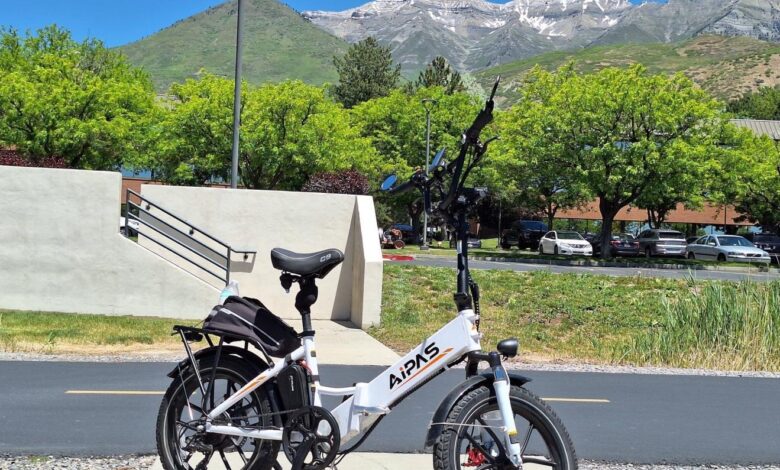
Brands such as Aipas offer different ebike styles for commuting, folding storage, fat tire riding, and everyday adult use, giving consumers more ways to choose based on distance, storage, terrain, and routine.
This variety is useful, but it also makes education more important. Consumers need guidance that helps them match a bike to real conditions rather than choosing only by price or appearance.
Adoption Depends on Routine Fit
New technology often succeeds when it blends into existing habits. Ebikes are no different. A rider is more likely to adopt one if it fits the home, the commute, the charging routine, the neighborhood, and the types of trips that already happen.
This is why businesses and mobility brands should think beyond product specifications. A strong battery and capable motor matter, but so do storage, charging, route safety, and daily convenience.
For consumers, the best starting point is to map real use cases. How far are the most common trips? Where will the battery be charged? Where will the bike be stored? Are the local roads comfortable? Will it be used for commuting, errands, or mixed travel?
These questions determine whether interest becomes regular use.
A Practical View of Ebike Growth
Ebike adoption will continue to depend on more than market awareness. Consumers need to feel confident that the product fits their daily lives. Range, charging habits, storage, infrastructure, and workplace support all shape that confidence.
As the category matures, the most successful adoption stories will likely come from practical fit rather than hype. When riders understand how an ebike works in their own environment, they can make better decisions and use the product more consistently.
For the broader market, that means growth will not be driven only by new models or stronger batteries. It will also depend on the everyday systems that make riding easy, safe, and convenient.