Rings are small objects, but they can carry powerful messages. A ring may express love, status, faith, memory, family identity, personal style, or spiritual intention. In many cultures, the meaning of a ring is not only shaped by the material or design, but also by where it is worn.
A ring on the thumb does not feel the same as a ring on the ring finger. A ring on the index finger can suggest confidence, ambition, or leadership. A ring on the middle finger may feel balanced and grounded. A ring on the little finger can carry meanings connected with communication, independence, or personal expression.
This is why symbolic rings remain meaningful even in modern fashion. People may wear rings for beauty, but placement often adds a deeper layer. Whether the ring is made of gold, silver, jade, gemstone, or another material, the finger chosen can change the message.
Why Ring Placement Has Meaning
Hands are expressive. They write, greet, work, create, promise, comfort, and communicate. Because hands are so visible and active, rings naturally become part of personal expression.
Across different cultures, ring placement has been used to show marriage status, family background, social rank, religious belief, or personal identity. In modern life, people may not always follow traditional meanings strictly, but many still choose ring placement with intention.
A ring can say something without words. It can suggest commitment, confidence, balance, creativity, or protection. This is especially true when the ring also features a symbolic stone or carving, such as jade, dragon motifs, lotus designs, or protective figures.
The meaning comes from both the ring and the finger.
The Thumb: Willpower, Authority, and Independence
The thumb is strong and separate from the other fingers. Because of this, thumb rings are often associated with willpower, independence, authority, and personal strength.
Historically, thumb rings were sometimes connected with archery, power, and status. In some cultures, they were worn by rulers, warriors, or people of influence. In modern fashion, a thumb ring often feels bold and unconventional.
A symbolic ring on the thumb can suggest that the wearer values autonomy and confidence. It may also express a strong personality or a desire to move through life on one’s own terms.
For jade rings, the thumb can be an interesting placement if the ring design is powerful, such as a dragon, Pixiu, or large cabochon. These symbols can strengthen the thumb’s association with authority and control.
However, thumb rings are also highly visible. They are not always subtle. A person choosing this placement should be comfortable with a ring that attracts attention.
The Index Finger: Ambition, Direction, and Leadership
The index finger is used for pointing, directing, choosing, and emphasizing. Because of this, it is often linked with ambition, leadership, confidence, and personal direction.
A ring on the index finger can feel active and assertive. It may suggest that the wearer is setting goals, taking charge, or stepping into a more visible role. In some historical contexts, signet rings or status rings were worn on the index finger to show rank or authority.
In modern styling, an index finger ring often feels intentional. It is visible during conversation and movement, making it a strong placement for symbolic jewelry.
For jade rings, the index finger can be a good place for designs related to growth, power, or opportunity. A dragon ring may express leadership and courage. A Pixiu ring may symbolize ambition and wealth protection. A simple jade ring may represent calm confidence.
This finger is suitable for people who want their ring to feel purposeful and empowering.
The Middle Finger: Balance, Responsibility, and Inner Stability
The middle finger sits at the center of the hand. It is usually the longest finger, giving it a sense of balance and structure. Symbolically, it is often associated with responsibility, stability, self-awareness, and personal grounding.
A ring on the middle finger can feel strong but less socially coded than the ring finger. It does not immediately suggest marriage or romance, so it gives the wearer more freedom to define the meaning.
For symbolic rings, the middle finger is a good choice when the wearer wants the ring to represent inner balance rather than outward status. A jade ring worn here may suggest harmony, self-control, and calm strength.
Because the middle finger is central, larger rings can look balanced here. However, comfort matters. A bulky ring may interfere with neighboring fingers, so the design should be chosen carefully.
For daily wear, a smooth jade cabochon, lotus ring, or moderate symbolic carving may work well on this finger.
The Ring Finger: Love, Commitment, and Emotional Connection
The ring finger is the most widely recognized finger for love and commitment. In many Western cultures, engagement rings and wedding bands are worn on the fourth finger of the left hand. This tradition is often linked to the old belief that a vein connected this finger directly to the heart.
Although the anatomical belief is not scientifically accurate, the symbolism remains powerful. The ring finger continues to represent romantic devotion, partnership, loyalty, and emotional connection.
In some cultures, wedding rings are worn on the right hand instead of the left. This shows that exact placement can vary, but the ring finger’s connection with love and commitment remains widely understood.
A symbolic ring on the ring finger does not always have to mean marriage. It can also represent self-love, personal promise, family memory, or spiritual devotion. Still, because the ring finger carries strong romantic associations, the wearer should understand the message it may send.
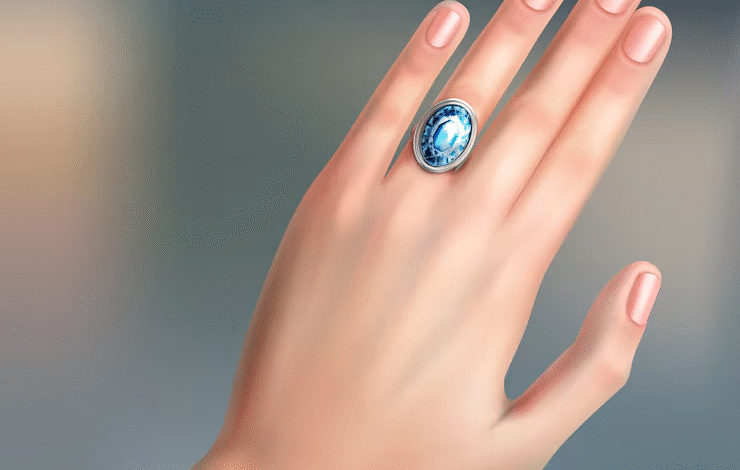
For jade jewelry, this finger can be especially meaningful. Jade is associated with harmony, protection, sincerity, and long-lasting care. A jade ring on the ring finger can represent a quiet form of commitment, whether to a partner, family, or personal values.
For a deeper look at jade ring finger symbolism, it helps to consider not only the finger, but also the jade color, carving, hand, and intention behind the ring.
The Little Finger: Communication, Wit, and Individuality
The little finger, or pinky finger, is often associated with communication, intelligence, social skill, and individuality. Pinky rings have appeared in many cultural contexts, from family signet rings to fashion statements and professional identity symbols.
A ring on the little finger can feel expressive and slightly unconventional. It may suggest charm, independence, creativity, or personal confidence.
Because the pinky is smaller, rings worn here often need to be carefully sized and balanced. Large stones or heavy designs may feel awkward. Smaller symbolic rings, signet styles, or simple jade rings can work well.
A jade ring on the little finger may suggest refined personal style rather than formal commitment. It can also be a good choice for someone who wants symbolic jewelry but does not want it to carry romantic meanings.
Left Hand vs Right Hand
Ring meaning can also change depending on which hand is used.
In many interpretations, the left hand is connected with the inner self, receiving energy, emotion, and personal meaning. The right hand is often associated with action, expression, giving, and how one interacts with the outside world.
These ideas are symbolic rather than fixed rules. A ring worn on the left hand may feel more private or emotional. A ring worn on the right hand may feel more active, visible, or expressive.
For example, a jade ring on the left ring finger may feel deeply personal and connected with love or emotional protection. A jade ring on the right index finger may feel more connected with ambition, leadership, or outward confidence.
Personal comfort also matters. If someone uses one hand more often, a ring on that hand may be more exposed to impact. Practicality should always be considered, especially with stones like jade that can chip or crack if hit hard.
How Stone Choice Changes the Meaning
The material of a ring affects its symbolism. Gold may suggest wealth, warmth, and tradition. Silver may feel clean, modern, and reflective. Diamonds often represent durability and commitment. Colored gemstones may express birth months, emotions, or personal taste.
Jade has its own cultural depth. In Chinese tradition, jade is associated with virtue, protection, harmony, health, and good fortune. This makes jade rings especially meaningful for people who want jewelry with both beauty and symbolic grounding.
A jade ring can feel calm rather than flashy. It may represent protection, balance, family blessing, or inner strength. When combined with finger placement, the meaning becomes more specific.
A jade ring on the middle finger may suggest balance. On the index finger, it may suggest ambition guided by wisdom. On the ring finger, it may suggest lasting affection or emotional harmony.
This is why understanding jade ring meaning requires more than looking at the stone alone. The hand, finger, color, carving, and personal intention all work together.
Carved Symbols Add Another Layer
Many symbolic rings include carved motifs or design elements. In jade jewelry, common symbols include Dragon, Pixiu, Lotus, Guanyin, Buddha, Bamboo, and simple cabochon forms.
A Dragon ring may represent strength, leadership, and courage. Worn on the index finger, the message becomes even more active and ambitious.
A Pixiu ring may represent wealth protection and opportunity. Worn on the right hand, it can feel connected with action, business, and outward effort.
A Lotus ring may represent purity, renewal, and inner growth. Worn on the middle finger or left hand, it can feel especially connected with balance and personal healing.
A simple jade cabochon ring may not have a carved image, but it can still carry meaning through color, smoothness, and placement. Sometimes simplicity makes the ring more versatile and personal.
Modern Fashion and Personal Interpretation
Today, ring placement is more flexible than ever. Many people mix traditional symbolism with personal style. A ring may be worn on a certain finger simply because it looks balanced, feels comfortable, or matches other jewelry.
This does not make the ring meaningless. Personal interpretation is part of modern jewelry culture. A person may choose a ring finger for self-commitment, a thumb ring for independence, or an index finger ring for confidence.
The key is awareness. Even when breaking traditional rules, it helps to understand them. Knowing the cultural meanings allows wearers to make more intentional choices.
Jewelry is most powerful when it feels connected to the wearer’s story.
Practical Tips for Choosing a Symbolic Ring
When choosing a symbolic ring, start with intention. Ask what you want the ring to represent: love, confidence, protection, growth, balance, independence, or memory.
Then choose the finger that best supports that meaning. The ring finger suits commitment and emotional connection. The index finger suits ambition and direction. The middle finger suits balance. The thumb suits independence and strength. The pinky suits expression and individuality.
Next, consider the material. Jade, gold, silver, and gemstones all create different moods. If the ring includes a carving, make sure the symbol matches your intention.
Finally, think about comfort. A meaningful ring should still be wearable. It should fit well, feel balanced, and suit your daily routine.
Final Thoughts
A ring’s meaning is shaped by more than its design. The finger, hand, material, symbol, and intention all contribute to what the ring communicates.
The thumb can suggest independence. The index finger can express ambition. The middle finger can represent balance. The ring finger often speaks of love and commitment. The little finger can show individuality and communication.
When jade is involved, the meaning becomes even richer. Jade brings associations of protection, harmony, virtue, and quiet strength. Combined with thoughtful placement, a jade ring can become more than an accessory. It can become a personal symbol worn on the hand every day.