From Values-Driven Purchases to TikTok Search: Understanding the Most Disruptive Generation in Retail History
Gen Z—broadly defined as those born between 1997 and 2012—now represents over 40% of global consumers. By 2026, their spending power has reached trillions of dollars. Yet fashion brands that try to market to them using millennial or Gen X playbooks are failing. Gen Z does not shop the way their parents did. They discover products on TikTok, not Google. They trust micro-influencers over celebrity endorsements. They prioritize sustainability and ethical production over brand loyalty. They expect seamless phygital (physical + digital) experiences. And they will abandon a brand instantly if it contradicts their values. This essay explores the unique shopping behaviors of Gen Z—how they research, evaluate, purchase, and advocate for fashion—and extracts critical lessons for fashion marketers who want to earn their attention and loyalty.
The TikTok Search Revolution
For Gen Z, the search engine of choice is not Google; it is TikTok. When they want to find a “summer wedding guest dress” or “best budget sneakers,” they open TikTok and search. They watch haul videos, styling tutorials, and “dupes” (affordable duplicates of luxury items). This behavior has profound implications for fashion marketers. Brands must optimize for TikTok’s algorithm—not just by posting ads, but by creating authentic, useful, entertaining content that answers real questions. Product reviews, styling tips, behind-the-scenes videos, and challenge participation all improve discoverability. The old SEO playbook (keywords, backlinks) is being replaced by “Social SEO.” Fashion brands that ignore TikTok as a search platform will become invisible to Gen Z.
Values Over Brand Loyalty
Unlike previous generations, Gen Z does not automatically trust established brand names. They have grown up with corporate scandals, greenwashing exposes, and fast-fashion criticism. Their loyalty is conditional on a brand’s demonstrated values: sustainability, inclusivity, transparency, and social justice. A 2025 study found that 72% of Gen Z shoppers will pay more for a product from a brand aligned with their values, and 68% have stopped buying from a brand that acted against their beliefs. For fashion marketers, this means campaigns about “love” and “beauty” are insufficient. Gen Z demands proof: third-party certifications (B Corp, Fair Trade), visible diversity in casting, supply chain transparency, and authentic activism. Performative allyship is detected and punished instantly via cancel culture.
The Rise of Secondhand and Circular Fashion
Gen Z has normalized thrifting, resale, and rental. Apps like Depop, Vinted, Poshmark, and The RealReal are their preferred shopping destinations alongside traditional retailers. For Gen Z, buying used is not a sign of poverty; it is a badge of sustainability, individuality, and financial savvy. Fashion brands must adapt by launching their own resale platforms (e.g., Patagonia’s Worn Wear, Lululemon’s Like New), integrating with third-party marketplaces, or creating rental subscription services. Marketing to Gen Z means celebrating pre-owned garments, offering repair services, and designing for durability. Ignoring the circular economy means losing relevance.
Micro-Communities and Niche Aesthetics
Gen Z rejects the concept of a single “mainstream” fashion trend. Instead, they belong to multiple micro-communities defined by niche aesthetics: Cottagecore, Dark Academia, Goblin Core, Balletcore, Y2K, Cyberpunk, and hundreds more. A Gen Z shopper might dress Cottagecore on Monday and Y2K on Tuesday. They discover these subcultures on Pinterest, TikTok, and Discord. Fashion marketers must move away from broad “one-size-fits-all” campaigns and instead create content tailored to specific aesthetic tribes. A single brand can produce separate lookbooks, playlists, and influencer partnerships for each niche. The goal is not to appeal to everyone, but to become the favorite brand of a specific subculture.
Authenticity Over Production Value
Gen Z has a finely tuned radar for inauthenticity. They prefer raw, unpolished, “real” content over glossy, over-produced advertisements. A smartphone video of a founder explaining a new collection in their garage can outperform a million-dollar commercial. User-generated content (UGC) featuring real customers of diverse body types, skin tones, and abilities carries more weight than professional model shoots. Fashion brands must loosen creative control. Allow influencers to style products in their own imperfect homes. Share behind-the-scenes footage of production flaws and mistakes. Apologize openly when things go wrong. For Gen Z, perfection is suspicious; imperfection is trustworthy.
Seamless Phygital Experiences
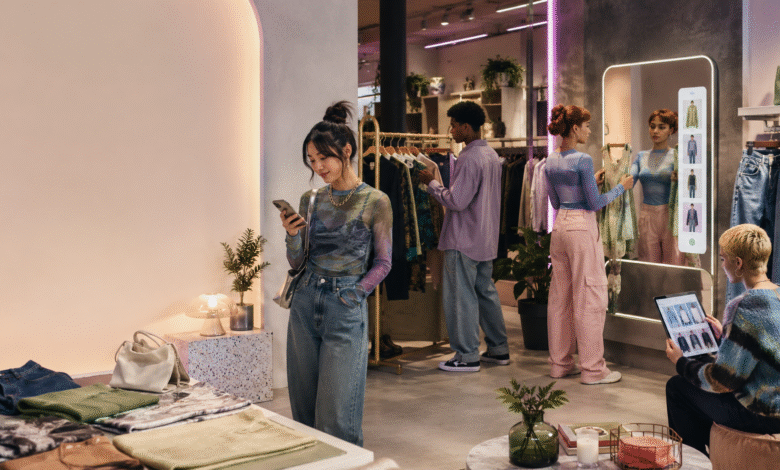
Gen Z does not distinguish between online and offline. They expect to discover a product on TikTok, research it on Instagram, try it on in a physical store, and buy it via a QR code on their phone—all within the same afternoon. They want buy online, return in store (BORIS). They want virtual try-ons using AR. They want live chat with a stylist. Fashion brands with separate, siloed digital and physical teams create friction that drives Gen Z away. The solution is integrated technology: RFID-enabled fitting rooms, mobile apps that remember in-store preferences, and loyalty programs that reward both online engagement and physical visits.
The Power of Dupe Culture
Gen Z has embraced “dupe culture”—seeking affordable alternatives to luxury or high-end products. A dupe is not a counterfeit (no fake logos); it is a similar style, color, or silhouette at a fraction of the price. Influencers regularly post “dupe vs. high-end” comparison videos. For luxury brands, this is a threat. For mass-market and mid-tier fashion brands, it is an opportunity. Marketers can lean into dupe positioning: “Looks like designer, costs like lunch.” They can create campaigns directly referencing popular luxury items (“Our version of the viral jacket”). Transparency about value (“Why pay
500when
500when50 achieves the same look?”) resonates with price-conscious, style-savvy Gen Z.
Short Attention Spans, Snackable Content
Gen Z’s attention span for marketing content is measured in seconds. They scroll past anything that does not hook them immediately. Fashion brands must master “snackable” content: 15-30 second videos with fast pacing, text overlays, and trending audio. The first three seconds must deliver the value proposition. Long-form lookbooks, detailed product descriptions, and traditional ads are ignored. However, paradoxically, Gen Z will consume hours of live shopping streams or deep-dive “get ready with me” (GRWM) videos from their favorite creators. The difference: they crave authentic, unscripted, extended content from trusted personalities, not brand-produced commercials.
Privacy-Conscious and Ad-Resistant
Gen Z grew up with data breaches, ad overload, and influencer fraud. They use ad blockers, skip pre-roll ads, and distrust targeted ads that feel invasive. They prefer to discover products organically—through friends, creators they follow, or community recommendations. Fashion marketers must shift from interruption-based advertising (pop-ups, pre-rolls, banner ads) to permission-based, value-added marketing. Newsletters with exclusive styling tips. Loyalty programs that reward engagement, not just spending. Interactive content (polls, quizzes, challenges) that invites participation. The brand that provides genuine utility—size guides, care instructions, trend forecasts—earns the right to communicate.
Speed and Convenience as Non-Negotiables
While Gen Z values ethics and authenticity, they also demand convenience. They expect free shipping, easy returns, and fast delivery (2-3 days standard). They want one-click checkout, buy now pay later options (Klarna, Afterpay), and seamless mobile payment (Apple Pay, Google Pay). Fashion brands that make the purchase process cumbersome—long forms, slow loading, complex returns—lose sales regardless of their values. The lesson: remove every friction point. Optimize for mobile. Offer multiple payment methods. Provide tracking with proactive updates. For Gen Z, convenience is a baseline requirement, not a differentiator.
Conclusion
Gen Z shops differently because they are different. They are digital natives who trust search-first platforms like TikTok, not established brand names. They are values-driven, prioritizing sustainability, inclusivity, and transparency over legacy loyalty. They embrace circular fashion, niche aesthetics, and authentic, unpolished content. They expect seamless integration of online and offline experiences. And they are immune to traditional advertising. For fashion marketers, the message is clear: adapt or become irrelevant. This means investing in Social SEO, building resale platforms, targeting micro-communities, producing raw and authentic content, and removing every point of friction from the purchase journey. Most importantly, it means genuinely aligning brand actions with stated values—because Gen Z will fact-check every claim. The fashion brands that thrive in the Gen Z era will be those that treat their customers not as targets, but as partners in creating a better, more transparent, and more creative industry.