After a car accident in Thousand Oaks, evidence can make the difference between a denied claim, a low settlement, and a strong recovery. Insurance companies do not simply accept your version of what happened. They look for proof. They review photos, police reports, medical records, witness statements, vehicle damage, and anything else that may help them reduce the claim. A Thousand Oaks car accident lawyer can help preserve the right evidence and use it to show fault, injuries, and damages.
Car accident evidence is time sensitive. Vehicles get repaired. Skid marks disappear. Surveillance footage is deleted. Witnesses forget details. The sooner evidence is collected, the stronger the case usually becomes.
Photos From the Accident Scene
Photos are one of the most useful forms of evidence after a crash. They show the scene before anything changes. If it is safe and you are physically able, take pictures immediately after the collision.
Helpful photos may include:
• Vehicle damage
• License plates
• Vehicle positions
• Skid marks
• Broken glass or debris
• Traffic signs and signals
• Lane markings
• Road conditions
• Weather and lighting
• Visible injuries
• Nearby businesses or cameras
In Thousand Oaks, intersection layout, traffic control signs, road curves, construction zones, and visibility can all matter. A simple photo may help prove that the other driver failed to yield, followed too closely, made an unsafe turn, ran a light, or crossed into your lane.
Videos and Dashcam Footage
Video can be extremely powerful in a car accident case. It may show the crash itself, the moments before impact, or the behavior of the other driver.
Useful video may come from:
• Dashcams
• Nearby businesses
• Parking lot cameras
• Doorbell cameras
• Traffic cameras
• Truck or commercial vehicle cameras
• Rideshare or delivery vehicle systems
The problem is that video often disappears quickly. Many systems overwrite footage within days. If there may be camera footage near the crash scene, it should be identified and requested as soon as possible.
The Police Report
A police report is often one of the first documents the insurance company reviews. It may include driver information, insurance details, witness names, officer observations, statements, citations, diagrams, and sometimes a preliminary opinion about fault.
The police report does not automatically decide the case, and it can contain mistakes. Still, it is an important starting point. If the other driver later changes their story, the report may help show what was said at the scene.
If you were injured, make sure the responding officer knows about your symptoms. If pain develops later, seek medical care and make sure your medical records document when symptoms began.
Witness Statements
Witnesses can help prove what happened, especially when the drivers disagree. A neutral witness may have seen the other driver speed, run a red light, drift into another lane, use a phone, make an unsafe turn, or admit fault after the crash.
Get the witness’s name, phone number, email, and a short description of what they saw. Do not assume the police will collect every witness. Some people leave before officers arrive.
Witnesses become harder to reach over time, and their memories may fade. Early statements can help preserve important details.
Medical Records
Medical records are essential because they connect your injuries to the crash. Even if fault is clear, the insurance company may still dispute whether your injuries were caused by the accident or how serious they are.
Important medical evidence may include:
• Emergency room records
• Urgent care records
• Primary care records
• Chiropractic records
• Physical therapy records
• Orthopedic evaluations
• Neurology records
• Pain management records
• Surgical records
• Prescriptions
• Work restriction notes
Do not delay treatment. Insurance companies often use gaps in care to argue that an injury was not serious. Follow your doctor’s instructions, attend appointments, and report your symptoms clearly.
Imaging and Diagnostic Tests
Some injuries are not visible from the outside. X rays, MRIs, CT scans, and other diagnostic tests may help prove fractures, disc injuries, ligament damage, brain injuries, internal trauma, or other serious conditions.
Imaging can be especially important when the insurance company tries to describe an injury as minor. Objective findings may support complaints of pain, numbness, weakness, headaches, limited movement, or long term symptoms.
Vehicle Damage and Repair Records
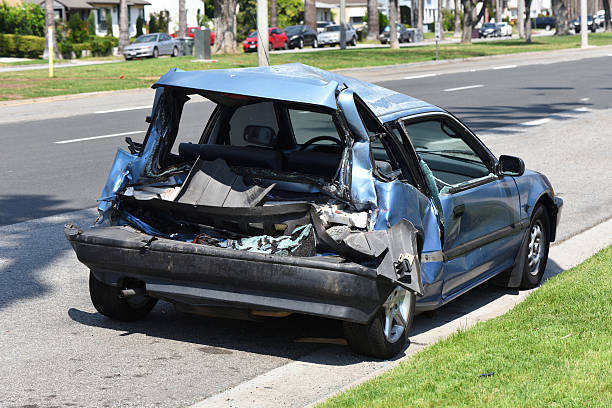
Vehicle damage can help show the force and direction of impact. Photos, repair estimates, total loss documents, towing records, and inspection reports may all support the claim.
Do not rely only on the insurance adjuster’s photos. Take your own photos before the vehicle is repaired or released. If the crash was serious, the vehicle may need to be preserved for inspection.
Damage patterns may help show whether the other driver rear ended you, turned into your vehicle, sideswiped you, failed to stop, or struck you at an angle.
Cell Phone and Distracted Driving Evidence
Distracted driving can be difficult to prove without records. If there is reason to believe the other driver was texting, calling, using an app, or looking at a device, cell phone evidence may become important.
This type of evidence usually requires legal action, such as subpoenas or discovery. It may also be supported by witness statements, video footage, police observations, or the driver’s own comments at the scene.
Employment and Wage Loss Records
If the accident caused you to miss work or reduced your ability to earn income, wage records can help prove that loss.
Helpful records may include:
• Pay stubs
• Tax returns
• Employer letters
• Missed work records
• Disability notes
• Work restrictions
• Proof of lost overtime
• Proof of missed bonuses or commissions
For self employed people, records may include invoices, contracts, business calendars, client communications, and tax documents. The goal is to show how the injury affected your income.
Pain and Daily Life Evidence
A car accident claim is not only about medical bills. Pain, stress, inconvenience, sleep problems, anxiety, and loss of normal activities can also matter.
Evidence of daily impact may include:
• Photos of visible injuries
• A pain journal
• Notes about sleep problems
• Missed family events
• Canceled activities
• Statements from family or friends
• Mobility devices
• Records of help needed at home
These details help show the human effect of the crash. A medical bill may show cost, but it does not show what it feels like to live with pain every day.
Insurance Documents
Insurance documents are also important. Keep copies of letters, emails, claim numbers, adjuster information, policy documents, repair estimates, rental car receipts, and settlement offers.
Do not sign broad medical authorizations, releases, or settlement documents without understanding what they mean. Once a settlement release is signed, the claim is usually over.
Social Media Evidence
Social media can hurt a claim if posts are taken out of context. Insurance companies may review photos, videos, comments, tags, and check ins.
Avoid posting about the accident, injuries, medical treatment, settlement talks, or activities that could be misread. A smiling photo at dinner does not mean you are not injured, but the insurance company may still try to use it that way.
Speak With a Thousand Oaks Car Accident Lawyer Before Evidence Disappears
The strongest car accident cases are built with evidence. Photos, videos, witness statements, police reports, medical records, vehicle damage, wage records, and daily life documentation can all help prove what happened and how the crash affected you.
A Thousand Oaks car accident lawyer can preserve evidence, deal with insurance companies, investigate liability, calculate damages, and fight back against unfair blame or low settlement offers.
Bojat Law Group represents injured people across Thousand Oaks, Ventura County, Southern California, and Central California after car accidents, truck crashes, motorcycle accidents, pedestrian accidents, bicycle accidents, rideshare accidents, premises liability incidents, and other serious injury cases.
If you were injured in a car accident, call (818) 877-4878 for a free consultation. You pay no fee unless Bojat Law Group wins your case.