There’s a moment on an Alaska voyage that catches most travelers off guard. You’re leaning on the rail, maybe sipping coffee, when someone nearby points toward the water. A ripple becomes a fin, then a tail disappears beneath the surface. Just like that, you’re watching wildlife in its natural rhythm, not behind glass or at a distance, but right there in front of you.
Alaska has a way of turning casual observers into quiet, wide-eyed watchers. The landscapes are dramatic, yes, but it’s the animals that often steal the show. From the Inside Passage to Glacier Bay, each stretch of coastline offers its own cast of characters. Knowing what to look for and where to look can make the experience feel even richer.
Whales Along the Inside Passage
Whales are often the highlight for many travelers, and the Inside Passage rarely disappoints. Humpback whales are the most commonly spotted, known for their acrobatic breaches and slow, graceful dives. Orcas, or killer whales, also pass through these waters, usually traveling in pods.
The best chances to see whales tend to be in areas like Icy Strait Point and near Juneau. Early morning or late afternoon often brings calmer water, making it easier to spot movement. Keep an eye out for spouts in the distance; they’re often the first sign something big is nearby.
Bears Near Coastal Forests
It might surprise you how often bears are spotted from the water. Brown bears and black bears roam the shoreline, especially in places where forests meet the sea. They’re often searching for food along the tide line or fishing in nearby streams.
Glacier Bay National Park and areas around Ketchikan are well-known for bear sightings. If your ship slows near a quiet cove or wooded inlet, there’s a good chance the crew has spotted something worth seeing. A pair of binoculars can make all the difference here.
Bald Eagles Overhead
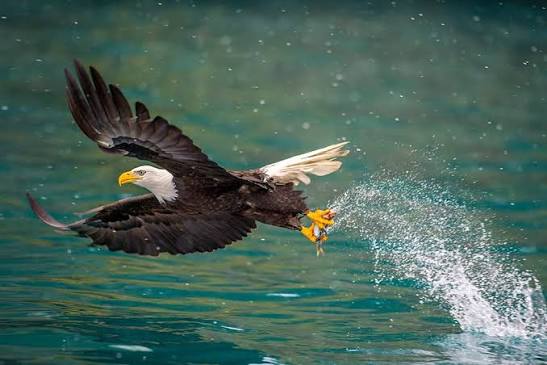
You don’t have to look far to find bald eagles in Alaska. They’re everywhere, perched on tall trees, gliding over the water, or circling above fishing areas. Their white heads and dark bodies make them easy to recognize, even from a distance.
Sitka and Haines are especially known for large eagle populations. Sometimes you’ll see several in one place, which feels almost surreal at first. It’s one thing to know they exist in large numbers; it’s another to actually witness it.
Sea Otters Floating in Calm Waters
Sea otters have a way of drawing smiles without trying. They float on their backs, often in groups, using their paws to groom or crack open shells. You’ll usually spot them in calmer, protected waters rather than open sea.
Prince William Sound and parts of the Inside Passage are good areas to watch for them. Look for patches of kelp, as otters often gather there. At first, they may look like small dark dots, but once you focus in, their movements become clear.
Seals and Sea Lions on Rocky Shores
Harbor seals and Steller sea lions are common sights along Alaska’s coastline. Seals tend to be more reserved, often spotted resting on floating ice or quietly slipping into the water. Sea lions, on the other hand, are louder and more social, frequently gathered on rocky outcrops.
You’ll find them near glacial areas and along rocky islands, especially in places like Tracy Arm Fjord. If you hear barking sounds before you see anything, chances are sea lions are nearby.
Puffins and Coastal Birds
Birdwatchers find plenty to enjoy on an Alaska cruise, even if they didn’t plan on it. Puffins, with their bright beaks and quick wingbeats, are a favorite. They’re often seen diving for fish or resting on cliffs.
Look for them around rocky islands and coastal cliffs, particularly near Seward and the Kenai Peninsula. You may also spot other seabirds like murres and kittiwakes, which tend to gather in large, noisy colonies.
Moose in Quiet Inlets
Moose are less predictable, but that makes spotting one feel even more rewarding. They’re usually found in calmer, freshwater areas, sometimes wandering near the edges of coastal wetlands.
While they’re not as commonly seen directly from cruise ships, excursions near Anchorage or smaller ports can increase your chances. If you do happen to see one from the deck, it’s a moment that tends to stick.
Where and When to Look
Wildlife doesn’t follow a schedule, but certain patterns do help. Early mornings and evenings tend to be more active times. Calm weather improves visibility, especially for marine life. And sometimes, simply being patient pays off.
Many Alaska cruises include naturalists or guides who point out wildlife as you go. It’s worth listening to announcements, even if you’re relaxing indoors. You never know when something might appear just beyond the window.
A Different Kind of Travel Experience
What makes wildlife viewing in Alaska stand out is how unforced it feels. There’s no staged moment, no guarantee. You might see a dozen whales one day and none the next. That unpredictability is part of the charm.
Over time, you start to notice smaller details. The way birds follow the ship. The sudden stillness before a whale surfaces. It’s not just about checking animals off a list; it’s about being present in a place that still feels largely untouched.
If you go with a bit of curiosity and a willingness to pause, you’ll likely come away with more than photos. You’ll have moments that replay in your mind long after the trip ends, quiet reminders of just how alive that coastline really is.