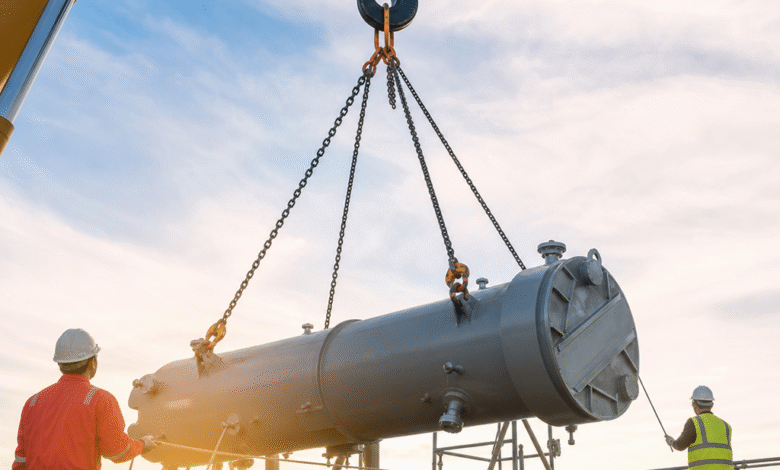
Industrial lifting is one of the most technically demanding disciplines in construction, manufacturing, and logistics. Whether you are moving heavy steel beams across a fabrication yard or positioning structural components on a high-rise build, the margin for error is essentially zero. A poorly planned lift can result in catastrophic equipment failure, serious injury, or loss of life. That is why understanding the full spectrum of lifting equipment, planning protocols, and regulatory requirements is not merely advisable — it is an absolute professional obligation for anyone working in this field.
The Foundation of Safe Lifting: Planning and Risk Assessment
Every successful lifting operation begins long before the crane hook is attached. Thorough planning is the cornerstone of safe and efficient lifts, and it encompasses far more than simply calculating load weights. Site supervisors and lift planners must assess ground conditions, overhead obstructions, weather forecasts, proximity to other workers, and the structural integrity of all lifting accessories. A comprehensive lift plan documents each of these variables and assigns clear responsibilities to every member of the lifting team.
Risk assessment is an integral part of this planning phase. Identifying potential hazards — from unstable ground to unexpected wind gusts — allows teams to implement control measures before work begins. This proactive approach dramatically reduces the likelihood of incidents and ensures that all personnel understand their roles and the specific hazards associated with each lift. Regulatory bodies consistently emphasise that inadequate planning is one of the leading contributing factors in lifting-related accidents across all industries.
Regulatory Compliance and Industry Standards
In the United Kingdom, lifting operations are governed by the Lifting Operations and Lifting Equipment Regulations 1998 (LOLER), which set out clear requirements for the planning, supervision, and execution of all lifting activities. Employers are legally required to ensure that lifting equipment is fit for purpose, properly maintained, and used only by competent individuals. According to guidance from the Health and Safety Executive on planning and organising lifting operations, every lift must be properly planned by a competent person, appropriately supervised, and carried out in a safe manner. Compliance with these standards is not optional — it is a legal duty that protects workers, contractors, and the public alike.
Understanding Lifting Accessories and Their Applications
Lifting accessories are the critical interface between the crane or hoist and the load being moved. Chains, wire ropes, synthetic slings, shackles, hooks, and eyebolts each have specific load ratings, configurations, and appropriate use cases. Selecting the wrong accessory for a given application can compromise the entire lift, even if the crane itself is perfectly capable of handling the load. Understanding the working load limits, sling angles, and inspection requirements for each type of accessory is therefore essential knowledge for any lifting professional.
The Role of Spreader Bars in Complex Lifts
Among the most important specialised accessories in industrial lifting is the spreader bar. These rigid lifting beams are used to distribute load weight across multiple attachment points, preventing sling angles from becoming too acute and reducing compressive forces on the load itself. They are particularly valuable when lifting long, flexible, or fragile items such as structural steel sections, precast concrete panels, or large machinery components. For anyone seeking a thorough understanding of how these devices work and when to deploy them, this detailed spreader bar guide provides an excellent technical overview of configurations, safe working loads, and practical applications across different industries.
Spreader bars come in fixed and adjustable varieties, and the choice between them depends on the specific requirements of each lift. Fixed bars offer simplicity and robustness, while adjustable models provide versatility across a range of load widths. In either case, the bar must be rated for the intended load, inspected before use, and deployed by personnel who understand the mechanics of load distribution. Improper use of spreader bars is a known cause of serious lifting incidents, making proper training and equipment selection non-negotiable.
Selecting the Right Lifting Equipment Supplier
The quality of lifting equipment is directly tied to operational safety. Inferior products, poorly maintained accessories, or equipment sourced from unreliable suppliers introduce unnecessary risk into every lift. Procurement decisions should therefore be guided not only by cost but by the supplier’s track record, product certifications, and ability to provide technical support. Equipment that meets or exceeds relevant British and European standards provides a measurable baseline of safety assurance that generic alternatives simply cannot match.
Beyond product quality, the best suppliers offer expert guidance on equipment selection, helping clients match the right tools to their specific operational requirements. This consultative approach is particularly valuable for organisations that handle a diverse range of lifting tasks, where a one-size-fits-all solution is rarely appropriate. Working with knowledgeable suppliers reduces the risk of misapplication and ensures that lifting teams are equipped with accessories that are genuinely fit for purpose.
Tway Lifting: A Trusted Name in the Industry
Tway Lifting is a specialist supplier of high-quality lifting equipment and accessories, serving clients across construction, engineering, and industrial sectors. With a comprehensive product range that includes chains, slings, shackles, hooks, and bespoke lifting solutions, the company has built a strong reputation for reliability, technical expertise, and customer service. Their team brings deep industry knowledge to every client interaction, ensuring that the right equipment is matched to the right application every time.
What sets Tway Lifting apart is their commitment to quality assurance and compliance. All products are sourced from reputable manufacturers and meet the relevant safety standards required under UK and European regulations. For businesses that cannot afford to compromise on safety — and in lifting, that should mean every business — working with a supplier of this calibre provides genuine peace of mind. Their ability to support both standard procurement needs and complex bespoke requirements makes them a versatile partner for lifting professionals at every level.
Training, Competence, and Continuous Improvement
Even the best equipment is only as safe as the people operating it. Competence in lifting operations is built through a combination of formal training, practical experience, and ongoing professional development. Operators, slingers, signallers, and lift supervisors each require specific knowledge and skills, and organisations have a duty to ensure that all personnel are adequately trained before they are permitted to participate in lifting activities.
Industry bodies and training providers offer a range of qualifications tailored to different roles within the lifting sector. Regular refresher training keeps skills current and ensures that workers remain aware of evolving best practices and regulatory changes. A culture of continuous improvement — where near misses are reported, lessons are shared, and procedures are regularly reviewed — is the hallmark of organisations that consistently achieve safe lifting outcomes.
Conclusion: Safety, Knowledge, and the Right Equipment
Industrial lifting demands a disciplined, knowledge-driven approach at every stage — from initial planning and risk assessment through to equipment selection, team briefing, and post-lift review. The consequences of cutting corners are simply too severe to justify any compromise. By investing in quality equipment, working with reputable suppliers, adhering to regulatory requirements, and maintaining a well-trained workforce, organisations can execute even the most complex lifts with confidence and consistency. In an industry where precision and safety are inseparable, there is no substitute for doing things properly.