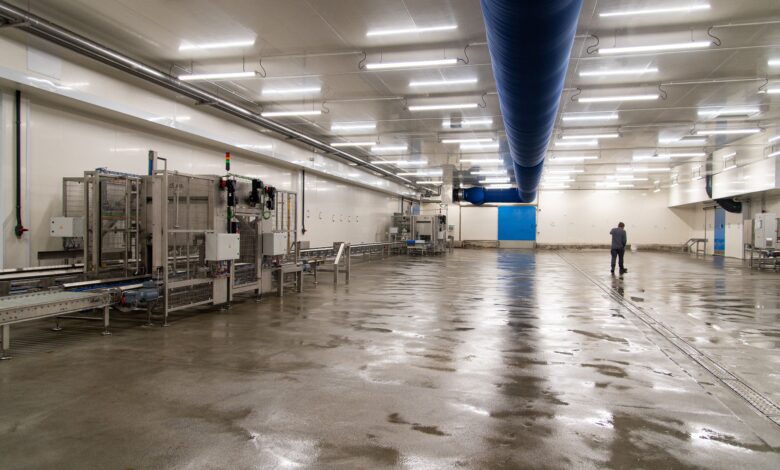
Manufacturing facilities rely on a complex ecosystem of tools and equipment to operate efficiently, maintain quality, and ensure safety. Whether producing small precision components or large industrial systems, the success of a facility often depends on selecting the right machinery and supporting tools. With increasing demands for productivity and precision, manufacturers must invest in dependable equipment that streamlines workflows while minimizing downtime. Understanding which tools are essential can help facility managers build a more organized, productive, and scalable operation.
Core Production Machinery
At the heart of any manufacturing facility lies its primary production equipment. These machines perform the core tasks that transform raw materials into finished products. Depending on the industry, this can include CNC machines, injection molding systems, stamping presses, or assembly robots. Modern facilities often integrate automation technologies that improve consistency and reduce human error.
High-quality machines are vital, but it is equally important that they are properly calibrated and maintained. Reliable production machinery allows manufacturers to meet strict tolerances and maintain product quality across large volumes. Investing in versatile equipment can also provide flexibility, allowing facilities to adapt to changing production demands without major overhauls.
Material Handling and Storage Solutions
Efficient material handling equipment is another cornerstone of successful manufacturing operations. This category includes conveyors, forklifts, pallet jacks, and automated guided vehicles. These tools help move raw materials, work-in-progress items, and finished goods throughout the facility with minimal disruption.
Proper storage solutions are just as important. Shelving systems, bins, and warehouse racking help maintain organization and prevent unnecessary delays. Well-designed storage systems also enhance safety by reducing clutter and ensuring that materials are stored securely. When materials are easy to locate and transport, employees can focus more on productive work rather than searching for components or navigating obstacles.
Precision Tools and Components
Precision tools play a critical role in ensuring that manufacturing processes meet exact specifications. Instruments such as calipers, micrometers, gauges, and alignment tools allow operators to measure and verify product dimensions with high accuracy. For non-contact measurement at line speed, a machine vision camera serves as another precision instrument in the kit, capturing dimensional checks without ever touching the part. Small components can also have a big impact on machinery performance. For instance, a properly fitted shaft collar helps secure components on rotating shafts, maintaining alignment and preventing unwanted movement during operation.
Even minor inaccuracies can lead to product defects or machine wear, making precision tools essential for quality control. Regular inspection and calibration of these tools are necessary to maintain their reliability. Facilities that prioritize precision tend to experience fewer defects, reduced waste, and improved customer satisfaction.
Maintenance and Repair Equipment
No manufacturing facility can operate efficiently without a strong maintenance strategy. Equipment such as diagnostic tools, lubrication systems, and replacement parts help keep machinery running smoothly. Preventive maintenance tools allow technicians to identify potential issues before they lead to costly breakdowns.
Repair equipment is equally important. Welding machines, hand tools, and portable power equipment enable maintenance teams to address problems quickly. Keeping spare parts readily available can significantly reduce downtime when repairs are needed. A proactive approach to maintenance not only extends the lifespan of machinery but also reduces the risk of unexpected production interruptions.
Safety and Personal Protective Equipment
Safety should always be a top priority in any manufacturing environment. Personal protective equipment, including gloves, helmets, safety glasses, and protective clothing, helps safeguard workers from potential hazards. Beyond personal gear, facilities should also invest in safety systems such as machine guards, emergency stop mechanisms, and proper ventilation systems.
Training is a key component of safety as well. Employees need to understand how to use equipment correctly and respond to emergencies. Clear signage and well-established safety protocols further contribute to a secure working environment. When workers feel safe, productivity often increases, and the likelihood of accidents decreases.
Conclusion
The success of a manufacturing facility depends on a thoughtful combination of machinery, tools, and support systems. From core production equipment to precision instruments and safety gear, each component plays a vital role in maintaining efficiency and quality. By investing in reliable tools and creating a well-organized environment, manufacturers can improve productivity, minimize risks, and position themselves for long-term success in an increasingly competitive industry.