British hospitality has learned a hard lesson about outdoor space. The venues that survived the leaner years were often the ones with a good terrace, and owners haven’t forgotten it. Al fresco covers now count toward the bottom line in a way they didn’t a decade ago. So the buying has changed. Operators aren’t chasing the cheapest tables anymore, they’re putting the money into commercial patio furniture that lasts, because British weather punishes anything less within a single summer.
That shift shows up clearly when you look at how pubs, cafes, and restaurants are budgeting for outside seating this season. The smart money is going toward contract-grade seating built to take a beating rather than the garden-centre stuff that folds by August. Below is what that smarter spending actually looks like on the ground.
The False Economy of Cheap Sets
Every operator has done it once. A garden centre stack of aluminium chairs looks like a bargain in April. By August the coatings have chipped, the fixings have loosened, and a wobble has crept into every table. Come the following spring, the whole lot needs replacing.
Buying twice costs more than buying once. UK venues have started running the sums over three and five year windows rather than a single season, and the contract-grade option wins nearly every time. The upfront price stings a little. The replacement cycle stings a lot less.
Weather Resistance as a Baseline
The British climate is the real test panel. Rain, salt air near the coast, frost overnight, then a rare heatwave, all in the space of a few months. Furniture built for a Mediterranean patio simply doesn’t cope. Frames need proper treatment, and finishes have to hold against constant damp.
This is where materials earn their keep. Powder-coated aluminium resists corrosion far better than raw or painted metal, and the coating process itself, a form of surface finishing, bonds a tough layer that shrugs off scratches and moisture. Operators who understand that difference stop treating finish as a cosmetic choice and start treating it as a durability spec.
Stacking, Folding, and the Storage Question
Space costs money, and British venues rarely have much of it. So the practical operators now weigh how furniture behaves when it’s not in use. Stackable chairs that tuck into a cellar overnight. Folding tables that free up a small yard for deliveries. Weighted bases that stay put in a gust without needing to be dragged inside.
The venues buying well this year are asking storage questions at the point of sale, not after. It’s a small habit that saves hours of staff labour across a season and protects the furniture from needless overnight exposure.
Comfort That Keeps Guests Seated
A durable chair that no one wants to sit in is a poor investment. Comfort keeps the terrace full, and a full terrace is the whole point. Seat height, back angle, and a bit of give in the seat all decide whether a guest orders a second drink or drifts off after one.
The better operators test this before committing to a large order. A few things they check:
- Whether an adult can sit through a two-course meal without shifting
- How the surface feels after an hour in direct sun
- Whether the table stays level on an uneven paved surface
- How quickly the set dries after a passing shower
Get those right and the terrace works harder than the room inside, especially on a warm evening when guests want to be outside anyway.
Matching the Look to the Venue
Smarter spending isn’t only about ruggedness. A gastropub, a seaside cafe, and a city rooftop bar all want a different feel outside, and the furniture has to speak to the brand before the first pint lands. British operators have got choosier about aesthetics because the terrace is now part of the marketing, splashed across every social post a guest takes.
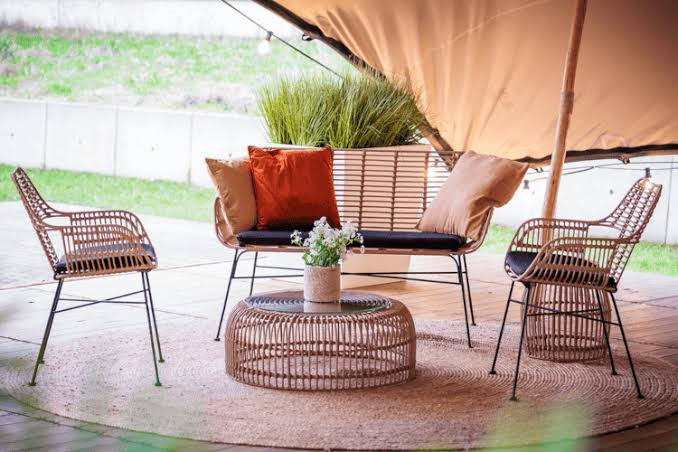
The trick is finding pieces that look the part and still survive the elements. Timber-effect finishes on metal frames, muted contract-grade colours, clean lines that photograph well. Getting the look and the toughness in one purchase is the mark of an operator who’s done their homework.
Planning Around Peak Season
Timing has become part of the smarter spend. The venues that buy in the quiet months avoid the spring rush, the delivery delays, and the panic ordering that leads to overpaying. They plan the terrace refit in winter so it’s ready the moment the weather turns.
That forward planning also lets them phase purchases across a couple of budgets rather than swallowing one enormous outlay. A few tables this quarter, a matching batch next. It keeps cash flow sensible and still gets the terrace fully kitted before the first sunny weekend fills every seat.
Where the Sensible Money Lands
The pattern across British hospitality this year is consistent. Spend once on furniture that survives, store it properly, keep guests comfortable, and match the look to the venue. None of it is flashy. All of it protects the margin on a part of the business that now matters more than ever.
The terrace has gone from a nice-to-have to a genuine revenue stream, and operators are treating it that way at the point of purchase. Buy for the long haul, plan ahead, and the outside seating pays for itself well before the frames ever show their age. That’s the smart spend in a nutshell, and it’s why the good venues stopped chasing bargains and started chasing value.