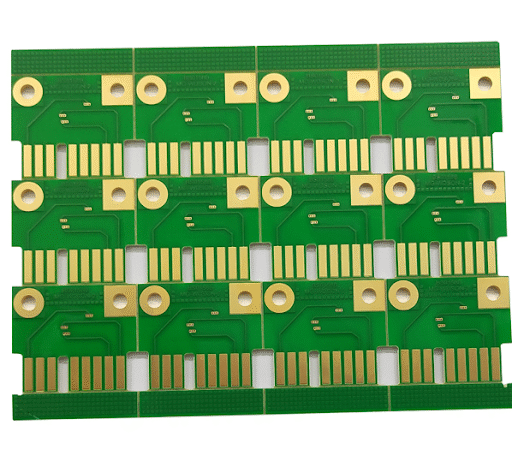
The electronics manufacturing industry continues to advance as businesses develop smaller, faster, and more sophisticated electronic products. From smartphones and communication equipment to automotive systems and industrial machinery, modern devices depend on accurately assembled printed circuit boards (PCBs). Surface Mount Technology (SMT) has become one of the most important manufacturing methods because it allows electronic components to be installed directly onto circuit board surfaces with high precision. As specialized electronic applications grow, working with an experienced high frequency pcb manufacturer also becomes important for projects that require reliable signal transmission and advanced circuit designs.
Modern SMT assembly combines automated equipment, specialized soldering techniques, and quality inspection procedures to produce dependable electronic assemblies. Understanding these technologies helps businesses make better manufacturing decisions and select appropriate PCB solutions for their products.
Understanding Surface Mount Technology
Surface Mount Technology is an electronic assembly method in which components are mounted directly onto the surface of a printed circuit board. Unlike traditional through-hole assembly, SMT does not generally require component leads to pass through drilled holes.
This approach supports compact circuit board designs and allows manufacturers to install numerous components within limited spaces. It is widely used in consumer electronics, telecommunications equipment, automotive electronics, and industrial applications.
SMT assembly typically involves several stages, including solder paste application, component placement, reflow soldering, and inspection.
The process offers several important advantages:
- Compact designs: Smaller components allow more functionality within limited board space.
- Production efficiency: Automated equipment supports faster assembly operations.
- Placement accuracy: Programmable machines position components according to design specifications.
- Consistent results: Controlled processes help maintain repeatable assembly quality.
- Design flexibility: SMT supports complex circuit layouts and modern electronic products.
These benefits have made SMT an essential part of contemporary electronics manufacturing.
The Main Stages of SMT Assembly
A successful SMT production process requires careful coordination between different manufacturing stages. Each operation contributes to the quality and functionality of the completed circuit board.
1. Solder Paste Printing
The process usually begins with applying solder paste to specific areas of the PCB. A stencil helps distribute the paste accurately onto the designated solder pads.
Proper paste application is important because insufficient or excessive solder can create assembly defects.
2. Component Placement
Automated pick-and-place machines position electronic components onto the solder paste. These machines use programmed instructions and optical alignment systems to achieve accurate positioning.
3. Reflow Soldering
After component placement, the circuit board passes through a reflow oven. Controlled heating melts the solder paste and establishes electrical and mechanical connections between the components and the PCB.
4. Inspection and Testing
The assembled board undergoes inspection to identify possible defects. Additional electrical or functional testing may be performed depending on the product requirements.
Following these stages carefully helps manufacturers maintain consistent production quality.
The Importance of High-Frequency PCB Technology
High-frequency printed circuit boards are designed for applications that require signals to operate at relatively high frequencies. These boards are commonly used in wireless communication systems, radar equipment, telecommunications devices, and specialized electronic instruments.
Unlike standard circuit boards, high-frequency applications require careful attention to electrical characteristics such as dielectric constant, signal loss, impedance, and material consistency.
A specialized high frequency pcb manufacturer must understand how material selection and circuit layout influence signal performance.
Some important considerations include:
- Dielectric properties: Suitable materials help maintain predictable electrical characteristics.
- Impedance control: Proper circuit design supports reliable signal transmission.
- Signal integrity: Accurate routing helps reduce unwanted interference and signal distortion.
- Thermal performance: Materials must be suitable for the operating environment.
- Manufacturing precision: Consistent fabrication helps maintain design specifications.
High-frequency PCB technology is particularly important as communication systems and electronic devices demand increasingly sophisticated signal-processing capabilities.
How SMT Supports Advanced PCB Applications
SMT assembly is compatible with many modern PCB designs, including multilayer circuit boards, compact electronic assemblies, and certain specialized high-frequency applications.
It allows manufacturers to install small components that support complex electronic functions. This is particularly valuable for devices where board dimensions and component density are important considerations.
For communication equipment, SMT can support compact arrangements of electronic components used in signal processing and connectivity systems.
Automotive electronics also benefit from SMT because modern vehicles contain numerous electronic control modules, sensors, and communication systems.
The combination of accurate PCB fabrication and controlled assembly helps businesses develop products that meet different technical requirements.
Advanced Equipment and Manufacturing Automation
Automation has significantly improved the accuracy and efficiency of modern SMT assembly. Manufacturing facilities use specialized machines to perform repetitive operations with consistent results.
Automated solder paste inspection systems evaluate paste distribution before component placement. Pick-and-place machines position components at high speeds, while reflow ovens maintain controlled temperature profiles.
Automated Optical Inspection (AOI) systems examine assembled boards for visible defects, including missing components, incorrect placement, and soldering problems.
These technologies help manufacturers reduce manual handling and improve production consistency.
However, automation still requires experienced technicians and engineers to review design files, configure equipment, monitor production, and resolve technical issues.
Quality Control in SMT Manufacturing
Quality control is essential because even small assembly defects can affect the performance of electronic products.
Manufacturers use different inspection methods depending on component types, circuit complexity, and project requirements.
AOI systems identify visible defects, while X-ray inspection can help evaluate hidden solder connections in certain component packages. Electrical testing checks circuit continuity and identifies possible short circuits.
Functional testing evaluates whether the completed electronic assembly performs according to its intended design.
A structured quality management process helps achieve:
- Accurate component placement.
- Reliable solder connections.
- Reduced manufacturing defects.
- Consistent assembly standards.
- Improved product performance.
These procedures are particularly important for specialized electronics where reliable operation is a major requirement.
How FastTurn PCBA Supports Modern Electronics Production
Selecting an appropriate manufacturing partner can help businesses manage complex PCB fabrication and assembly requirements. Companies should consider technical capabilities, production equipment, material options, quality procedures, and communication practices before choosing a provider.
FastTurn PCBA focuses on PCB manufacturing and assembly solutions for different electronic project requirements. Businesses exploring its services can evaluate their board specifications, component lists, production quantities, and assembly needs to identify suitable manufacturing options.
Providing accurate Gerber files, a Bill of Materials (BOM), and clear assembly instructions helps manufacturing teams understand project expectations. Discussing technical requirements before production can also help identify potential challenges involving component availability, board complexity, and assembly methods.
Effective coordination between designers and manufacturers supports more organized production workflows and better project planning.
The Future of SMT Assembly Technologies
SMT manufacturing will continue evolving through improved automation, smaller electronic components, advanced inspection systems, and more sophisticated circuit board designs.
As electronic products become increasingly compact, manufacturers will need assembly processes capable of handling higher component densities and more demanding technical requirements.
High-frequency electronics, wireless communication systems, automotive technology, and industrial automation will continue creating opportunities for advanced PCB manufacturing and assembly solutions.
Businesses that understand these developments can make more informed decisions when planning new electronic products.
Conclusion
Modern SMT assembly technologies have transformed electronics manufacturing by supporting accurate component placement, compact circuit designs, and efficient production processes. Combining advanced assembly methods with appropriate PCB materials and quality inspection helps businesses develop reliable electronic products. High-frequency circuit boards also play an important role in specialized applications that require controlled signal performance. FastTurn PCBA remains relevant to this evolving industry through its focus on PCB manufacturing and assembly solutions for different electronic project requirements.