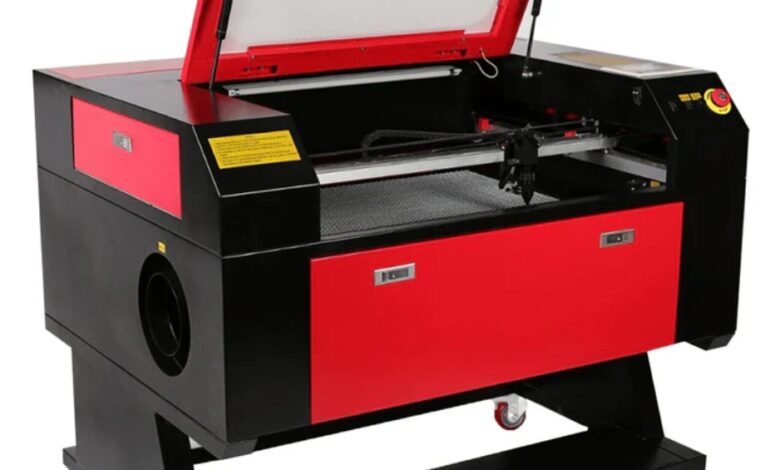
Across American small businesses, workshops, and creative studios, custom engraving and cutting services are in growing demand. Hand carving is slow and inconsistent. A 60W CO2 laser engraver provides computer-controlled precision for cutting and engraving wood, acrylic, leather, and other materials. American entrepreneurs, hobbyists, and product designers use these machines to create signage, custom gifts, prototypes, and production parts.
Common Applications and Laser Method
CO2 laser engravers are commonly used for:
· Custom signage and lettering
· Personalized gifts and awards
· Acrylic displays and panels
· Leather goods and accessories
· Wooden decorations and puzzles
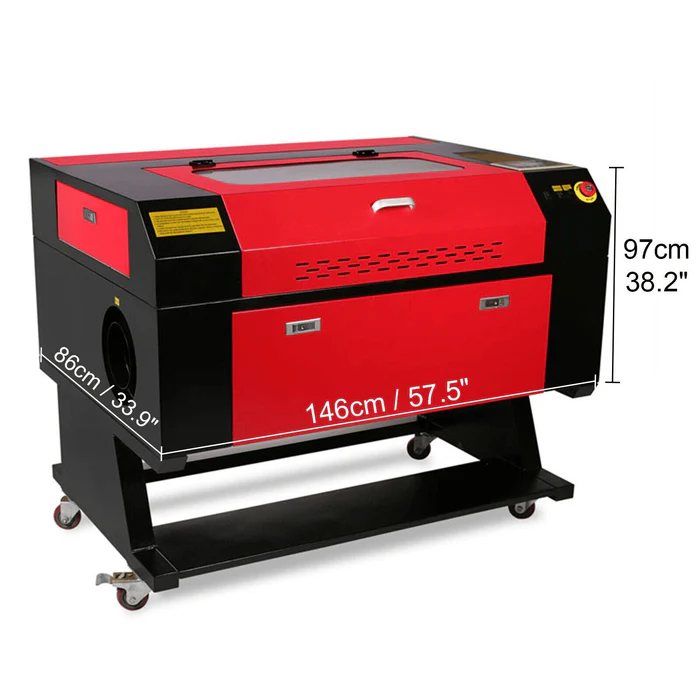
The 60 watt CO2 laser tube generates a focused beam that vaporizes material along a programmed path. The 20 by 28 inch honeycomb work area supports materials up to that size, with pass-through doors for larger pieces. The laser head moves at up to 600 millimeters per second, with computer-controlled positioning for accuracy.
Design Workflow and Software Compatibility
Computer-aided design software creates the pattern or text. The file is sent to the laser’s controller, which guides the laser head. The Ruida digital control system is compatible with popular design programs such as LightBurn, CorelDraw, and AutoCAD. This integration allows users to design directly in familiar software and send files to the laser.
Key features for design precision include:
· High-resolution positioning for fine detail
· Variable power control for shading and depth
· Speed control for cutting versus engraving
· Multiple pass capability for deep cuts
· Red dot pointer for alignment
Material Versatility and Production Speed
CO2 lasers work on a wide range of materials. Wood engraves with dark, crisp detail. Acrylic cuts cleanly with polished edges. Leather engraves without burning when settings are correct. Glass and ceramic mark with special coatings. The 60 watt power level balances speed and thickness capacity, cutting up to quarter-inch wood and acrylic in a single pass.
Production speed is significantly faster than manual methods. A custom sign that might take hours to carve by hand can be engraved in minutes. This speed allows small businesses to take on larger orders and shorter turnaround times.
Safety Practices and Operational Guidelines
Safe laser engraver operation requires several key practices:
· Never leave machine unattended during operation
· Ensure adequate ventilation for smoke and fumes
· Keep fire extinguisher nearby for flammable materials
· Use only materials known to be laser-safe
· Wear laser safety glasses for wavelength protection
Some materials produce toxic fumes when laser cut and should never be used. Polyvinyl chloride releases chlorine gas. Fiberglass produces hazardous dust. The operator must know which materials are safe before cutting or engraving.
Advantages and Limitations
Advantages:
· 20 by 28 inch work area with pass-through doors
· 60 watt power for cutting and engraving
· Compatible with popular design software
· Up to 600 millimeters per second engraving speed
· Honeycomb workbed for material support
· Air assist for cleaner cuts
· Water chiller for tube cooling
Limitations:
· Requires adequate ventilation system
· Not for metal engraving without marking compound
· Laser tube wears out and requires replacement
· Learning curve for software settings
· Initial cost higher than mechanical engravers
Real-World Application Example
An American small business owner in Ohio made custom wooden signs with a router. Each sign took 2 hours, limiting daily production. The owner purchased a 60W CO2 laser engraver. A custom sign that took 2 hours by hand now took 15 minutes. The laser cut detailed lettering that the router could not achieve. The business increased daily output from 3 signs to 12 signs, and revenue tripled within 6 months.
Conclusion and Future Outlook
TMG Industrial CO2 laser engravers enable American small businesses to produce custom engraved products efficiently and consistently. The combination of 60 watt power, large work area, and software compatibility makes these machines suitable for signage, gifts, and production parts. As e-commerce custom product demand grows, laser engravers will likely become standard equipment for small manufacturers. Future designs may include automated material feeding and higher power tubes for thicker materials.
Small business owners should evaluate CO2 laser engravers for any custom product line requiring cutting or engraving of wood, acrylic, or leather. The 60 watt power and 20 by 28 inch work area make this engraver suitable for diverse American small business applications.