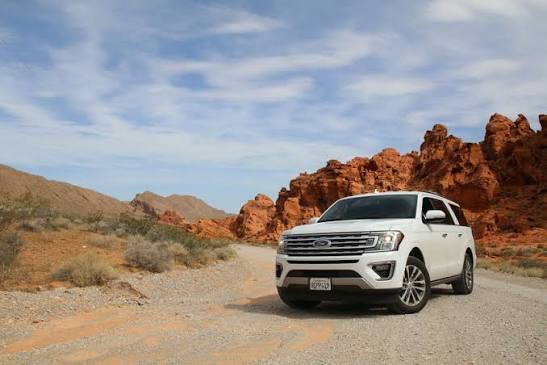
Frequent highway travel can put different demands on a vehicle than short city trips. Drivers who spend many miles on interstates and major highways often benefit from a vehicle that combines comfortable seating, stable handling, useful technology, and reasonable fuel efficiency. Ford’s current lineup includes SUVs, trucks, and the Mustang Mach-E, giving drivers several approaches to long-distance travel. For shoppers researching Amarillo Ford, comparing models according to highway comfort, efficiency, range, and practicality can help identify the right fit.
What Makes a Ford Model Efficient for Highway Travel?
Highway efficiency is about more than the EPA fuel-economy number. Aerodynamics, engine choice, vehicle weight, tires, drivetrain, driving speed, and climate-control use can all influence real-world consumption. Ford notes that factors such as driving style, high-speed driving, accessories, air conditioning, and towing can affect actual fuel consumption.
For frequent travelers, efficiency should therefore be considered alongside comfort and capability. A vehicle that saves fuel but leaves passengers uncomfortable may not be the best long-distance choice.
Ford Escape for Efficient Everyday Highway Driving
The Ford Escape is one of the more practical choices for drivers who want a relatively compact SUV for commuting and road trips. Its size can make it easier to maneuver than a larger SUV while still providing useful passenger and cargo space.
For 2026, Ford lists several Escape powertrain choices, including gas, hybrid, and plug-in hybrid configurations. The conventional 1.5-liter EcoBoost with front-wheel drive is rated at an EPA-estimated 34 highway mpg, while the Escape Hybrid with all-wheel drive is rated at 36 highway mpg.
Why the Escape Hybrid Deserves Attention
For drivers covering substantial mileage, the Escape Hybrid can be particularly interesting. Ford lists the 2026 Escape Platinum Hybrid AWD at an EPA-estimated 42 city/36 highway/39 combined mpg.
A hybrid can make sense for someone who wants efficiency without depending entirely on charging infrastructure. It can also provide a useful balance between urban commuting and longer highway journeys.
Ford Mustang Mach-E for Electric Road Trips
Drivers interested in an electric vehicle can consider the Ford Mustang Mach-E. It offers a different approach to highway travel because efficiency is measured through electricity consumption and range rather than gasoline mileage.
For frequent long-distance driving, charging planning becomes an important part of ownership. Before choosing an electric SUV, consider the routes you regularly travel, charging availability, expected range, weather conditions, and how much time you are comfortable spending at charging stations.
The Mach-E can be appealing to drivers who have convenient charging access and want an electric vehicle for both commuting and longer journeys.
Ford Explorer for Comfort and Space
The Ford Explorer can make sense for drivers who prioritize passenger space and long-distance comfort over maximum fuel efficiency.
A larger SUV can provide useful room for families, luggage, and recreational equipment. This can make it more suitable for road trips where several passengers need to travel comfortably.
However, additional size and capability can affect fuel consumption. Drivers should compare the exact Explorer powertrain and configuration rather than assuming all versions offer identical efficiency.
Think About Passenger Comfort
Frequent highway travelers can spend hours in their vehicles, making seating and cabin comfort important considerations.
During a test drive, evaluate the driver’s seat, steering-wheel position, visibility, climate controls, and rear-seat comfort. Listen for excessive road or wind noise and consider how easy it is to maintain a comfortable driving position.
Small comfort differences can become much more noticeable on a several-hour road trip.
Ford Maverick for Drivers Who Need a Truck
The Ford Maverick can be an interesting choice for drivers who want truck utility without moving into a larger pickup.
Ford currently offers a hybrid Maverick configuration. For the 2026 Maverick XLT 2.5-liter Hybrid FWD, Ford lists an EPA-estimated 42 city/35 highway/38 combined mpg.
That efficiency can make the Maverick worth considering for drivers who regularly travel long distances but also need an open cargo bed.
Balance Highway Efficiency With Truck Utility
A truck’s usefulness depends on more than fuel economy. If you regularly carry equipment or supplies, bed size, payload capacity, towing requirements, and available configurations may be more important.
The key is to avoid buying substantially more truck than you need. A larger pickup can offer greater capability but may increase operating costs when used primarily for highway commuting.
Ford F-150 for Highway Travel With More Capability
The Ford F-150 can be appropriate for drivers who need substantial truck capability while also using the vehicle for frequent highway travel.
Ford offers the F-150 with a hybrid PowerBoost powertrain. For the 2026 F-150 Lariat 3.5-liter PowerBoost Hybrid 4×4, Ford lists an EPA-estimated 22 city/24 highway/23 combined mpg and an estimated range of 703 miles.
The F-150 may therefore appeal to drivers who need towing, hauling, or truck versatility but still want to consider efficiency.
Consider Range as Well as Fuel Economy
For highway travelers, range can be just as important as efficiency.
A vehicle with good fuel economy but a small fuel tank may require more frequent stops than expected. Conversely, a vehicle with a larger tank and strong efficiency can potentially travel farther between stops.
For electric vehicles, range planning is even more important because charging locations and charging time become part of the journey.
Compare Highway Driver-Assistance Features
Long highway trips can involve hours of steady-speed driving. Available driver-assistance technology may help reduce workload in certain situations.
Depending on the model and configuration, Ford vehicles can offer features such as adaptive cruise control and lane-related assistance. Ford is also expanding BlueCruise availability across its lineup, with the technology designed for compatible roads and equipped vehicles.
These systems are intended to assist drivers, not replace attention. Drivers must remain responsible for controlling the vehicle and monitoring traffic.
Consider Tire and Drivetrain Choices
The same Ford model can have different efficiency characteristics depending on drivetrain and equipment.
All-wheel drive can provide additional traction in certain conditions, but it can also affect efficiency. Larger wheels and certain tire configurations may have similar effects.
If maximum highway economy is your priority, compare the exact configuration rather than looking only at the model name.
Think About Your Typical Highway Route
Not every highway trip is the same.
A driver traveling mostly flat interstate routes may have different needs from someone frequently crossing mountainous terrain. Heavy traffic, high speeds, weather, elevation changes, and frequent stops can all affect consumption.
Consider the roads you actually use when evaluating powertrains and efficiency.
Evaluate Cargo and Passenger Requirements
Road trips often involve more belongings than daily commuting.
Before choosing a vehicle, consider how much luggage you normally carry and how many passengers travel with you. Families should test the cargo area with the seats occupied rather than relying only on published capacity.
If you regularly carry recreational equipment, make sure the vehicle can accommodate it without creating an uncomfortable cabin.
Consider Used Ford Models Carefully
Frequent highway travelers do not necessarily need a brand-new vehicle. A used Ford can provide value, but condition and maintenance history become especially important.
Review mileage, service records, tire condition, brakes, battery health where applicable, and signs of excessive wear.
High mileage is not automatically a reason to reject a vehicle, particularly if it has been maintained properly. However, frequent highway drivers should pay close attention to the vehicle’s current condition because they may add substantial mileage themselves.
Compare Total Ownership Costs
Fuel or electricity is only one part of the ownership equation.
Also consider insurance, maintenance, tires, brakes, registration, financing, and potential repairs.
For someone who drives thousands of highway miles annually, even modest differences in operating costs can add up. Estimate your annual mileage and compare the likely costs of your preferred Ford models.
Take a Highway Test Drive
A short drive around a dealership is not enough for a vehicle that will spend significant time on highways.
If possible, test the vehicle at highway speeds. Evaluate acceleration when merging, braking, steering, ride quality, cabin noise, visibility, seat comfort, and cruise-control operation.
Pay attention to whether the vehicle feels relaxed and predictable at sustained speeds.
Conclusion
Several Ford models can make sense for frequent highway travel, but the best choice depends on what you need from the vehicle. The Escape and its hybrid versions can appeal to drivers prioritizing efficiency, while the Mustang Mach-E offers an electric alternative for those comfortable with charging-based travel. The Maverick can combine truck utility with an available hybrid powertrain, while the F-150 and Explorer can provide greater capability and space.
Before choosing, compare the exact powertrain, drivetrain, efficiency rating, range, passenger space, cargo capacity, and available technology. Most importantly, take your preferred vehicle for a thorough test drive that includes highway driving when possible. For frequent travelers, the ideal Ford is one that provides a comfortable, efficient, and practical experience mile after mile.