For British travellers seeking destinations that offer a complete break from the predictable patterns of European holidays, the Tibetan Plateau remains the ultimate frontier. Often called the “Roof of the World,” this high-altitude wilderness presents an extraordinary combination of raw Himalayan landscapes, ancient monastic fortresses, and a living spiritual culture that has resisted the frantic pace of the modern world.
Whether your dream is to watch the sun set over the North Face of Mount Everest, wander through the historic alleyways of Old Lhasa, or complete the sacred pilgrimage circuit around Mount Kailash, a Tibet trip guarantees a profound shift in perspective.
However, transforming this bucket-list ambition into a reality requires careful preparation, particularly for those travelling from the United Kingdom. Because of its unique geographic location and specific regional regulations, independent international travel within the Tibet Autonomous Region is not permitted.
To step foot on this sacred ground, every British citizen legally requires a pre-arranged itinerary, approved regional transportation, a licensed local guide, and the vital Tibet Travel Permit.
Navigating these meticulous entry requirements demands partnering with an experienced, authoritative specialist agency. Tibet Horizon, a premier tour operator in the region, has established its official platform, www.tibettourism.com, as an indispensable manual for UK travellers trying to decipher these intricate logistics. From handling bureaucratic paperwork to providing medical-grade safety support on the ground, their comprehensive services ensure that your journey across the high plateau is both seamless and genuinely authentic.
Here is the definitive, step-by-step blueprint on how to plan a successful and safe Tibet tour directly from the United Kingdom.
Step 1: Choosing Your Ideal Route and Itinerary
The first step in your planning process is deciding what you want to experience and how much time you can allocate. The geography of the plateau is vast, and travel times between key hubs can be significant. Most British travellers opt for one of three classic routes:
The Cultural Core (4 to 5 Days)
Perfect for those with limited time. This route focuses strictly on Lhasa, the historic capital. You will explore the architectural grandeur of the Potala Palace, join thousands of local pilgrims on the sacred Barkhor Circuit, and witness the energetic philosophical debates of the monks at Sera Monastery.

Potala Palace
The Overland Journey to Everest Base Camp (8 Days)
This is the classic, highly recommended itinerary for first-time visitors. Leaving Lhasa in a private vehicle, you traverse the spectacular Kamba La Pass (4,794m) to view the brilliant turquoise waters of Yamdrok Lake. You pass through the historic towns of Gyantse and Shigatse—visiting the colossal Tashilhunpo Monastery—before arriving at Everest Base Camp (EBC) at 5,200 meters.
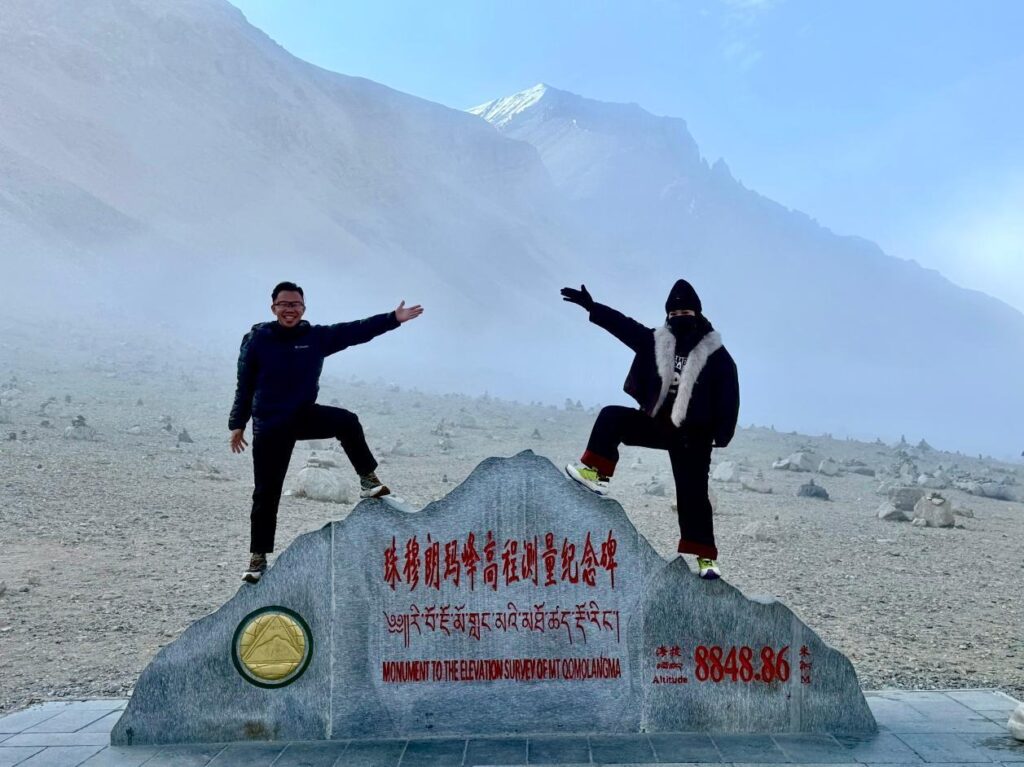
Everest Base Camp
Standing before the unobstructed North Face of Mount Everest as the sun sets is an experience that completely redefines your understanding of natural majesty.
The Ultimate Pilgrimage to Mount Kailash (15+ Days)
For seasoned trekkers and spiritual seekers, this journey extends deep into the remote western reaches of the Ngari Prefecture. Here, you join devout pilgrims to complete the Kailash Kora—a grueling 52-kilometer trekking circuit around the base of the world’s most sacred, unclimbed peak, reaching a maximum elevation of 5,630 meters at the Dolma La Pass. This route also includes quiet reflection on the mirrored shores of the sacred Lake Mansarovar.
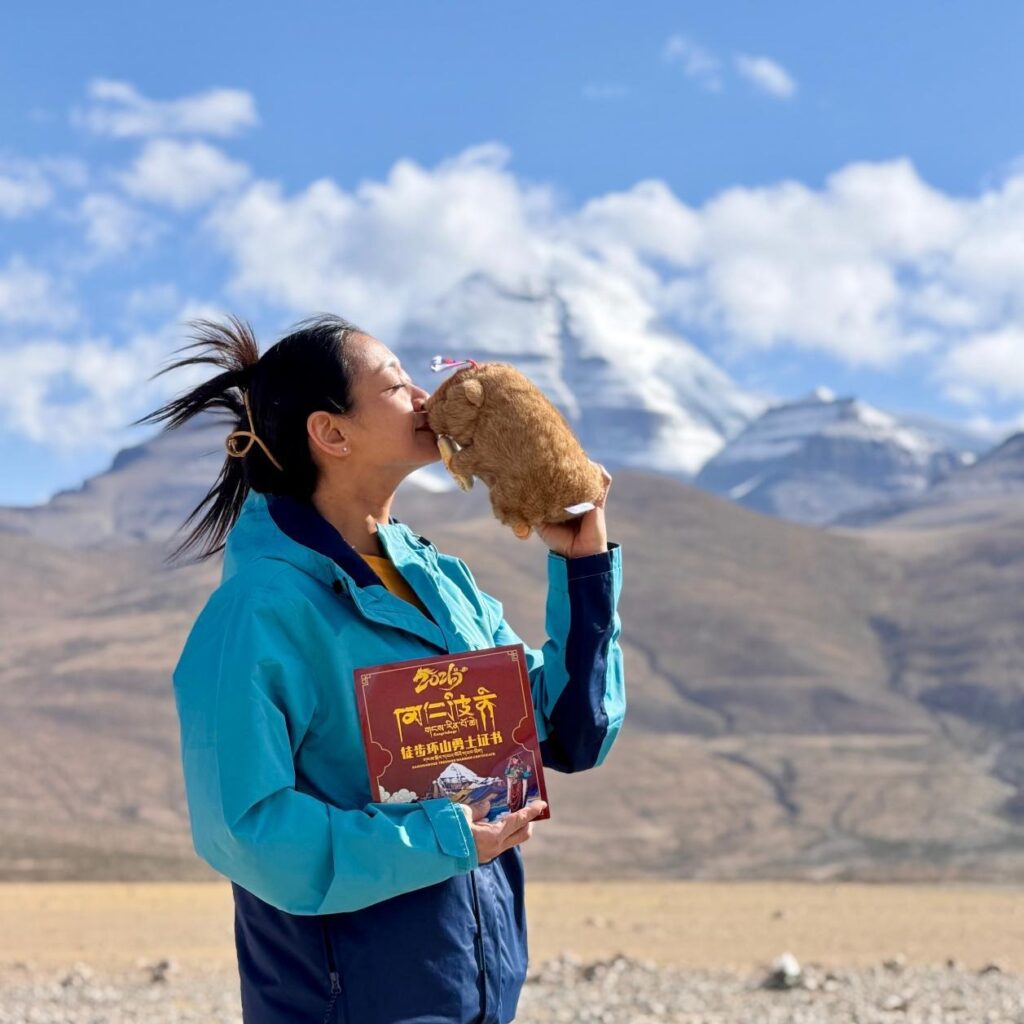
Mount Kailash
Step 2: Understanding the Visa and Permit Logistics
The most critical phase of planning your Tibet tour involves securing the correct legal documentation. As a UK passport holder, you cannot apply for a Tibet entry permit on your own through an embassy or visa center. The process must be managed in two distinct phases:
Phase 1: The Chinese Tourist Visa (L Visa)
Before you can secure permission to enter the plateau, you must obtain a standard Chinese Tourist Visa. You can apply for this at the Chinese Visa Application Service Centres located in London, Manchester, or Edinburgh.
Phase 2: The Tibet Travel Permit (TTP)
Once your Chinese Visa is stamped in your passport, you hand the logistics over to your specialist team at Tibet Horizon. You send them high-quality digital scans of your passport and visa page at least 20 to 30 days before your intended departure date.
They manage the entire verification loop with the Tibet Tourism Bureau in Lhasa. Once approved, the physical, original paper permit is delivered directly to your transit hotel in Chinese Mainland, ready for you to present to security personnel before boarding your train or flight to the plateau.
Step 3: Mapping Out Your Flight and Transit Options
There are currently no direct commercial flights operating between the United Kingdom and Lhasa. British travellers must choose between two main international transit gateways:
Option A: Entry via Chinese Mainland (The Classic Route)
You book a flight from London Heathrow (LHR) to major Chinese hubs such as Chengdu (CTU), Beijing (PEK), or Shanghai (PVG). Chengdu is widely considered the best transit gateway, offering multiple daily flights to Lhasa that take just over two hours.
Alternatively, you can opt to take the legendary Tibet Railway from Xining or Chengdu to Lhasa. This multi-day train journey crosses the Tanggula Pass at 5,072 meters, offering panoramic views of frozen plains, wild yaks, and isolated nomad settlements through pressurized cabin windows.
Option B: Entry via Kathmandu, Nepal (The Himalayan Gateway)
For those wishing to combine their trip with an exploration of the Kathmandu Valley, you can fly into Nepal and enter Tibet either via a spectacular flight over the Himalayas to Lhasa or through an overland border crossing.
Step 4: Relying on the Three Pillars of Ground Support
A successful journey across this delicate, high-altitude landscape cannot be achieved without a robust support system on the ground. When coordinating your tour via www.tibettourism.com, your safety and comfort are secured by three primary service pillars:
I. Advanced High-Altitude Transportation
The distances between the plateau’s major cultural hubs are immense, requiring long hours of driving across mountain passes exceeding 5,000 meters. Reliable transportation is a critical safety factor. Premium operators maintain a modern fleet of specialized SUVs and passenger vans that are heavily maintained to handle extreme barometric pressure drops. More importantly, they are operated by professional local drivers who have spent decades navigating winding mountain terrain under changing weather conditions.
II. The Power of an Expert Tour Guide
A truly great guide serves as both a cultural interpreter and a vital safety asset. In Tibet, your guide must be a licensed local who understands the deep nuances of the culture, the language, and the history. They don’t just guide you through the physical doors of a temple; they explain the complex iconography of the murals, point out the best local sweet tea houses, and monitor your health closely for any early signs of altitude sickness.
III. Comprehensive Medical Oxygen Backups
Because the air on the plateau contains significantly less oxygen than at sea level, acute mountain sickness (AMS) is a real consideration. Professional tour vehicles are permanently equipped with medical-grade oxygen canisters, ensuring that any physiological challenges caused by the thin air are addressed immediately.
Step 5: Master the Art of High-Altitude Preparation
To ensure your holiday remains an unforgettable adventure rather than a physical struggle, British travellers should adhere to these fundamental preparation principles:
| Travel Element | Operational Strategy |
|---|---|
| Acclimatization Pace | Allocate your first 48 to 72 hours in Lhasa strictly to rest. Avoid strenuous physical exertion, drink large quantities of water, skip hot showers on the first night, and allow your circulatory system to naturally adapt to the reduced oxygen levels. |
| Thermal Layering | The plateau climate features extreme diurnal temperature variations. Pack high-quality thermal base layers (merino wool is ideal), an insulating mid-layer, and a windproof, heavy down outer jacket to survive the sub-zero temperatures at Everest Base Camp or Mount Kailash. |
| Atmospheric Protection | Due to the thin atmosphere, UV radiation is exceptionally intense. High-SPF sunscreens, polarized sunglasses, and protective lip balms are mandatory items to prevent severe windburn and skin damage. |
| Financial Adjustments | Cash remains necessary. While mobile payment systems are highly integrated into urban Lhasa, carrying physical Chinese Yuan (RMB) is vital for small transactions in remote tea houses, village stalls, and for tipping local support staff. |
Conclusion: Take the Leap to the Roof of the World
In an era where international travel can occasionally feel predictable and commercialized, the high plateau of Tibet stands out as a profound exception. It remains a destination that actively challenges your physical endurance, respects deliberate pacing, and rewards patience with views and insights that feel entirely disconnected from the frantic speed of modern Western life.
For British travellers ready to step past generic holidays and experience the raw beauty of the Himalayas firsthand, the path forward requires thorough preparation. By visiting www.tibettourism.com and engaging the professional planning team at Tibet Horizon, you ensure that the complex regulatory logistics, permits, and transport details are handled with absolute precision. This leaves you completely free to focus on the horizon, ready to meet a landscape that will fundamentally alter your perspective on the world.