Glass Jewelry as an Art
Jewelry is one of the most ancient accessories used by humans. Over the course of centuries, jewelry was made from metals, precious and not, natural stones, wood, and glass. Glass jewelry has been in continuous use for millennia, and never went out of fashion, while many other trends and jewelry styles have been completely forgotten. What is the secret? Is glass jewelry art, or is it only an accessory?
The answer is that it is both. It is functional, as we wear it to complement our outfits and style. However, handcrafted jewelry is also artistic, inspired by the master’s vision and bearing his or her unique style, blending centuries of traditional glassblowing techniques with modern aesthetics.
History of Handmade Glass Jewelry
Glass jewelry has a fascinating history going back four thousand years, when it focused mainly on beads. Owning a piece of handcrafted glass jewelry is like owning a piece of the past.
Before glass, beads were made from stone, teeth, shell, and bone, but then the ancient Egyptians invented faience, a synthetic glass, which had a clay core covered with a glass-like glaze. It was, however, in Mesopotamia that glass beads with intricate patterns, such as Millefiori and mosaics, were created. At this time, glass jewelry was regarded as a luxury and was mainly worn by royalty.
In the 1st century A.D., during the time of the Roman Empire, glassmaking was transformed by the introduction of glassblowing. This allowed to make glass objects faster and cheaper, in more styles and forms, and accessible and affordable for more people, not just the very wealthy.
Even though glassmaking virtually disappeared after the collapse of the Western Roman Empire in 476 A.D., glass beads were still being produced. They have been found in Anglo- Saxon burial sites in England, as well as in Viking graves and in Ireland. The Vikings even created Millefiori beads, but with the Renaissance, the technique disappeared and wasn’t used again for another four years, when it was reinvented in Murano.
Venetian glass beads were produced in the fourteenth century for trade purposes, to use as a currence by Venetian merchants in faraway lands, such as Africa. At the same time, Murano beads were becoming popular in Europe with the aristocracy. Despite a slump in the eighteenth century, Murano glass was revived in the nineteenth century, and jewelry expanded beyond beads to include rings, brooches, and pendants. The 20th century was an illustrious era for Murano glass jewelry. Designers and Murano artisans collaborated to mix traditional techniques with modern designs, creating jewelry with vibrant colors and unique patterns.
However, Murano was not the only place producing glass jewelry. In the 16th century, the first glassworks opened in the Jablonec area in what is now the Czech Republic. Its glass bead production was so successful that by the nineteenth century, Bohemia was producing millions of beads each year. The two World Wars were a blow to the country’s bead industry, but it has experienced a revival due to its cultural heritage and craftsmanship.
Another type of jewelry, paste jewelry, was created in the eighteenth century in France. It was created to mimic gemstones, and this was done by pouring molten glass into gem-shaped molds. Of course, it was cheaper than jewelry made with the real thing.
In the Georgian and Victorian eras, Vauxhall Glass was developed. It is a highly reflective glass, often set in metal, and has steel studding.
What Is Special About Glass Jewelry?
Artistic Appeal
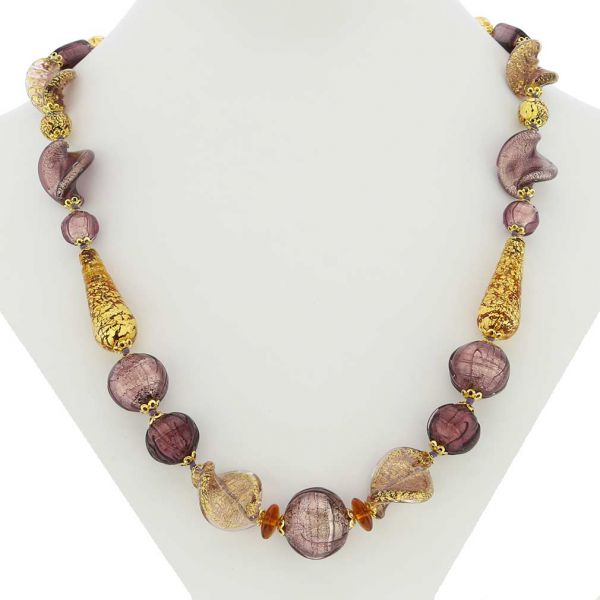
One of the main reasons handcrafted jewelry is popular is because of its the artistic references it evokes. Murano glass jewelry, the most well-known handmade jewelry today, is crafted by masters who work in their own studios on Murano Island exploring different art trends. They use historic glassmaking techniques and innovative designs to blend the old and the new, which leads to emergence of wearable works of art.
In England, Bristol Blue glass was developed in the eighteenth century and used to make jewelry. It has a distinctive blue color, made by mixing cobalt with molten glass. It reached its peak in the 19th century, but slumped in the 1920s. However, in the 1980s, several glassmakers revived Bristol’s handcrafted glass industry.
Other types of glass jewelry, which have been popular but are now more valued as antiques, include Opaline glass, which was made primarily in France. It was produced by adding materials such as bone ash to crystal glass, making it semi-opaque. Camphor glass was popular in the nineteenth century and was created by adding hydrochloric acid vapors to the glass to give it a misty effect.
Aesthetic and Functional Appeal
Handcrafted glass jewelry has great aesthetic appeal, particularly in its interaction with light. It can be translucent or opaque, brightly colored or white, it can play with light, giving the piece of jewelry a sparkling or glowing effect. This can even make the glass resemble a precious gem.
Dichroic glass can show an array of colors, depending on lighting conditions and the viewing angle. It can be created by stacking layers of metal oxides to create shifting colors. Another example of dichroic glass was first produced in Ancient Rome in the 4th century A.D. This glass is translucent with colloidal gold and silver particles dispersed evenly in the glass. As light wavelengths pass through, the glass changes color depending on the angle you are looking at and on the light conditions.
Another attraction of glass jewelry is its vibrant colors. Murano glass, for example, uses metal oxides to create a wide range of intense colors.
However, glass jewelry also has a functional appeal. The designs are versatile with unlimited colors to match different items of your clothing. Textures also vary and include frosted, matte, and shiny. Murano glass is intricately designed, giving you a choice of style and pattern.
Glass jewelry is also lightweight, which makes it easier to wear than metal or stone. It makes it easier for you to make a statement. You can wear larger jewelry that stands out, while still being comfortable.
Glass jewelry allows you to wear stunning and colorful pieces without the cost of precious stones. This allows you to buy more jewelry to complement the different colored outfits you may wear, as well as create the different styles for different occasions.
Uniqueness and Imperfections
Each piece of blown glass jewelry is unique because it is individually created. Mass-production processes and technology aren’t used, so there is little chance that two items are the same. There can be slight imperfections in the pieces of jewelry, which indicate that they are handmade.
Factory-made glass may be efficient, but there is an emphasis on quantity, rather than quality. Handmade glass jewelry, on the other hand, highlights craftsmanship and artistic expression.
Versatility
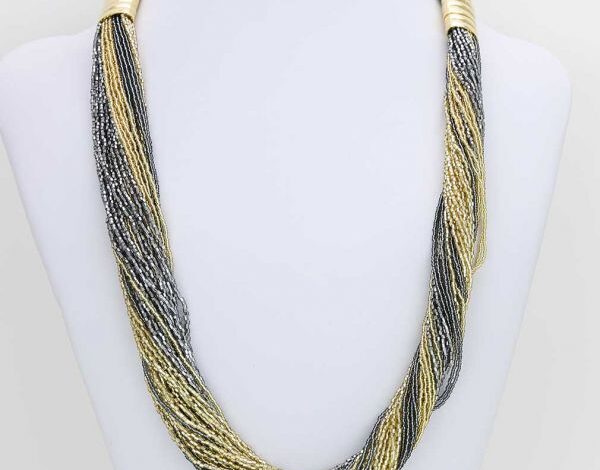
Glass jewelry is versatile because it comes in many shapes, textures, and colors. In addition, it can be affordable while at the same time, artistic.
Glass jewelry can be purchased for the different styles you want to convey, whether it be rustic, Bohemian, or even formal. It can be minimalist or elegant, making it suitable for both daily use and black-tie events.
Glass jewelry is beautiful as is, but it can be combined with gemstones, precious metals, or pearls for a different and stunning design.
Durability
Modern glass techniques create durable glass jewelry. Kiln and annealed glass is strong because the procedure takes away any internal stresses. In addition, glass jewelry doesn’t fade or tarnish, which makes it still look beautiful years after it was created.
Ease of Wear
Glass jewelry is usually polished and smooth, giving it a glossy, non-porous surface. The methods of blowing glass, lampworking, and fusing involve firing the piece in a kiln and then polishing it until it is glossy. It is even smoother than polished metal, making it a good choice for body piercings. The jewelry also often has rounded edges to ensure that the wearer is comfortable.
Smooth glass gives body comfort, while the non-porous surface stops bacteria from getting into the glass. It is safe to have smooth glass in contact with your skin. However, some pieces of glass jewelry are textured, with crinkles or ripples as decoration.
So Why Should You Wear Glass Jewelry?
For thousands of years, glass jewelry has been the choice of fashionable women. Today, when many jewelry options are available, handblown glass jewelry stands out for its connection with the past, its ability to channel the vision of the artist, and uniqueness you can’t find in other jewelry styles. A piece of handmade glass jewelry is both a work of art and a functional accessory, representing a fusion of tradition and evolution of visions and trends. Wearing a piece of handmade glass jewelry today is a statement of sophistication and a way to stand out in a world full of cheap mass-produced goods.
Is