Want Better Results from Email Marketing? Try These 5 Ideas Using Klaviyo Email Marketing Tool

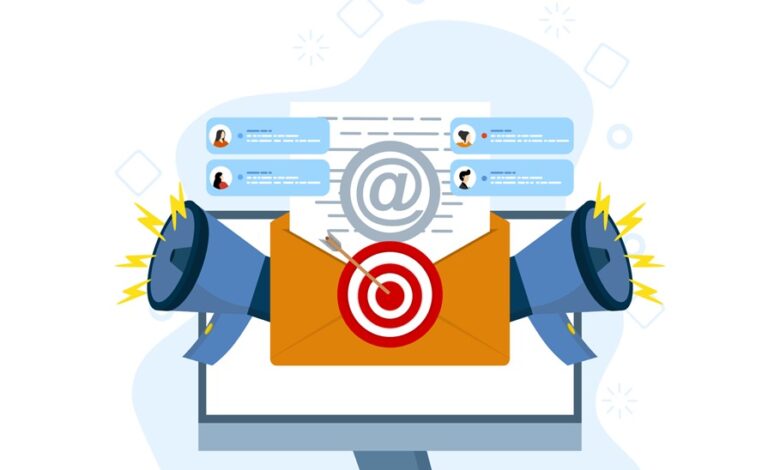
Most ecommerce brands use email marketing, but only a few turn it into a consistent revenue channel because the real difference is not how many emails are sent, but how strategically they are designed around customer behaviour, timing, and intent. Generic campaigns are often ignored, while personalised and well-timed communication can directly influence purchase decisions and measurably increase long-term customer value.
This is where Klaviyo email marketing companies help brands implement advanced email marketing systems using Klaviyo, turning basic campaigns into structured revenue-driving systems. However, most brands still only use basic features and miss deeper opportunities for growth, which is why smarter execution becomes the real differentiator.
Why Is Klaviyo Different From Other Email Marketing Tools?
Before getting into the five ideas, it is worth understanding why Klaviyo specifically makes these strategies possible in a way that most general email platforms cannot.
Klaviyo connects directly to your Ecommerce store and pulls real-time behavioural data into every campaign and flow. It knows what each customer browses, what they bought, how long ago they last purchased, and how they typically respond to email. That data is what makes targeted, personalised email possible at scale without a team of people manually managing every segment.
Most email platforms handle contact lists, but tools like Klaviyo handle customer behaviour, which is where the distinction lies in the results that come from.
Idea 1: How Can You Turn Abandoned Carts Into Recovered Revenue?
Abandoned cart emails are the most well-known automated flow in Ecommerce email marketing. Most brands are leaving significant money on the table because their strategy is not built properly.
What a Weak Abandoned Cart Flow Looks Like
A single email was sent 24 hours after abandonment cart with a generic subject line and no product image. That is what most brands are running, it picks up some recoveries but misses the majority of customers who needed a different nudge at a different time.
What a Strong Abandoned Cart Flow Looks Like
Klaviyo allows you to build multi-step abandoned cart sequences with branching logic that adjusts based on who the customer is and what they left behind.
- First message: Send within one hour of abandonment while the product is still fresh in the customer’s mind. Include the exact product image, name, and price, without any discounts applied yet.
- Second message: Send twenty-four hours later if no purchase has been made. Add social proof, such as reviews for the specific product they abandoned. This addresses hesitation without immediately cutting into the margin.
- Third message: Send forty-eight to seventy-two hours later for high-cart-value abandons. This is where a time-limited offer makes sense if the customer has not converted through the first two messages.
- Conditional splits: Use Klaviyo’s flow branching to treat first-time visitors differently from returning customers. A repeat buyer who has abandoned may need less convincing than someone who has never purchased before.
The difference between a single generic email and a properly built sequence can double or triple the revenue your abandoned cart flow generates from the same volume of abandonment events.
Idea 2: Why Should You Segment Your List Before Every Campaign?
Sending the same campaign to your entire list is one of the fastest ways to generate unsubscribes and train your audience to ignore your emails. Klaviyo’s segmentation tools make it straightforward to send the right message to the right people without having to build a separate list for every scenario.
The Segments That Actually Matter
Not every segment is equally useful. The ones that consistently affect campaign performance are built around purchase behaviour and engagement level rather than demographics alone.
- Active buyers: Customers who have purchased in the last ninety days. These people are engaged and receptive. They do not need a reintroduction to your brand and respond well to new arrivals and loyalty content.
- Lapsed customers: Customers who have not purchased in ninety to one hundred and eighty days. They need a reason to come back. A targeted win-back campaign with a relevant offer performs significantly better with this group than a standard campaign.
- High-value customers: Your top spenders by lifetime value. These customers respond well to early access, exclusive products, and loyalty acknowledgement rather than discount-driven campaigns.
- Unengaged contacts: Subscribers who have not opened or clicked in the last ninety days. Sending campaigns to this group without a specific re-engagement strategy damages your sender reputation and hurts deliverability for everyone else on your list.
Klaviyo builds and updates these segments automatically based on the rules you set. You do not need to manually export and re-import lists every time you want to send a targeted campaign.
Idea 3: How Does Personalisation in Klaviyo Go Beyond Using a First Name?
Personalisation in email marketing has become a cliché because most brands treat it as inserting a first name into a subject line and calling it done. Real personalisation in Klaviyo is built on customer data, and it goes considerably further than that.
Product-Level Personalisation
Klaviyo’s integration with your store means you can pull specific product data into emails based on what each customer has browsed or bought. A post-purchase email that recommends products genuinely related to what someone just bought performs meaningfully better than a generic product grid pulled from your bestsellers list.
Predictive Personalisation
Klaviyo calculates predicted lifetime value and expected next purchase date for each customer. You can use these fields to time campaigns around when a specific customer is most likely to be ready to buy again, rather than sending everyone the same campaign on the same day.
A customer predicted to purchase again in seven days responds differently to a campaign today than a customer who typically buys every ninety days. Klaviyo makes it possible to treat those two customers differently without building separate manual workflows for each scenario.
Idea 4: What Makes a Post-Purchase Flow Worth Building?
Most brands stop thinking about email the moment an order is placed. That is the wrong time to stop. The period immediately after a purchase is when a customer’s engagement with your brand is at its highest, and most brands waste it entirely by sending nothing beyond a transactional order confirmation.
What a Post-Purchase Flow Should Do
A well-built post-purchase flow in Klaviyo serves several purposes across a sequence of messages timed around the customer’s likely experience with the product.
- Day one: A thank-you message that goes slightly beyond the order confirmation. Reinforce what makes your brand worth buying from again without immediately pushing another product.
- Day three to five: A message timed around when the product is likely to have arrived. Ask for a review of the specific product purchased. Klaviyo can pull the exact product into this message automatically.
- Day fourteen to twenty-one: An introduction to complementary products based on what was bought. This is the cross-sell moment, and it lands significantly better when it is relevant rather than generic.
- Day thirty: A replenishment reminder for consumable products, or a loyalty message for non-consumable ones. If the customer bought a skincare product that typically runs out in thirty days, a timely replenishment prompt converts at a higher rate than a standard campaign.
The post-purchase flow is one of the highest-return automations you can build in Klaviyo because you are marketing to people who have already decided to trust your brand. The work of convincing them is already done.
Idea 5: How Can You Use Klaviyo Data to Improve Every Future Campaign?
Most brands use Klaviyo to send emails, fewer use it to understand why some emails work and others do not. The reporting and testing tools inside the platform are where long-term improvement actually comes from.
What to Test and Why
A/B testing in Klaviyo is built into the campaign and flow tools. Many brands choose to hire Klaviyo expert support to properly structure testing, segmentation, and performance tracking for better results. You do not need a separate testing platform or manual tracking setup. The system runs the test, determines the winner, and applies it automatically.
The most impactful things to test are not always the most obvious ones. Subject lines get the most attention, but subject line improvements tend to be incremental. Testing send timing, email structure, call-to-action placement, and offer framing often produces larger gains than subject line optimisation alone.
Reading the Data That Actually Matters
Klaviyo attributes revenue directly to campaigns and flows, which means you can see not just which emails get opened but which ones actually generate sales. Open rate is a vanity metric if it does not connect to revenue. Klaviyo makes that connection visible.
- Revenue per recipient: The cleanest measure of whether an email is performing. Divide the attributed revenue from a campaign by the number of people it was sent to. This normalises for list size, making campaigns directly comparable.
- Flow attribution: Which automated flows are generating the most revenue relative to how many emails they send? A flow that sends fewer messages but converts more of them is more valuable than a high-volume flow with low conversion.
- Unsubscribe patterns: If a specific campaign or flow produces a spike in unsubscribes, it is a signal about relevance or frequency worth investigating before the next send.
Treating Klaviyo data as a feedback loop rather than a reporting dashboard is what separates brands that get gradually better at email marketing from those that run the same approach indefinitely and wonder why results plateau.
Conclusion
Klaviyo helps ecommerce brands move beyond basic email marketing and build structured, data-driven systems that directly contribute to revenue growth. When used effectively, features like abandoned cart automation, smart segmentation, personalised messaging, post-purchase flows, and continuous optimisation create a complete marketing ecosystem rather than isolated campaigns. The real improvement does not come from sending more emails, but from understanding customer behaviour and using it to deliver relevant and timely communication. With the capabilities built into Klaviyo, even smaller teams can execute advanced strategies without complexity. Brands that adopt this approach consistently see stronger engagement, higher conversions, and more sustainable long-term growth.