Tamil Students Association: A Powerful Student Community Preserving Culture, Language, and Identity
How Tamil student groups connect young people, celebrate heritage, support education, and build inclusive campus communities

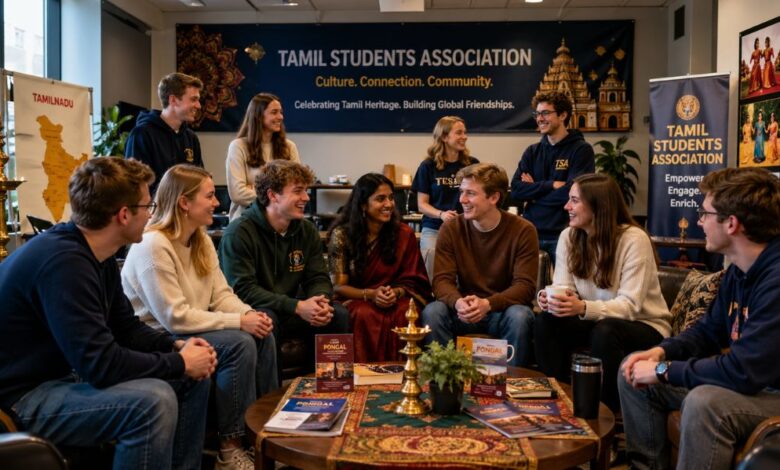
A Tamil students association is more than a student club. It serves as a cultural home, social network, educational platform, and a bridge between heritage and university life. Across universities in Canada, the United States, the United Kingdom, Australia, India, Sri Lanka, Malaysia, Singapore, and other regions, Tamil student groups help students stay connected to their roots while fostering friendship, leadership, and community service.
For Tamil students studying away from home, university life can feel exciting but unfamiliar. A Tamil Students Association offers a welcoming space where language, food, music, festivals, and traditions are understood and celebrated. These associations also invite students from all backgrounds to learn about Tamil culture or join in community activities, making them valuable to the wider campus community.
What is a Tamil Students Association?
A Tamil students association is a student-led group that promotes and celebrates Tamil culture, language, identity, and campus community. These groups are typically established within universities, colleges, or student unions and overseen by student volunteers. Their events may include cultural showcases, social mixers, academic mentorship, language advocacy, charitable initiatives, networking opportunities, and major Tamil festival celebrations.
The word “Tamil” refers to one of the world’s oldest living languages and to a rich cultural heritage associated with Tamil-speaking communities across South India, Sri Lanka, and the global Tamil diaspora. Because Tamil communities are spread across many parts of the world, Tamil student associations often bring together students with different family backgrounds, migration histories, religious traditions, and personal experiences. This diversity makes each association unique while still being connected by a shared cultural foundation.
Why Tamil Students Associations Matter
Tamil Student Associations matter because they help students feel recognized, supported, and connected. University campuses can be sprawling and competitive, especially for international or first-generation students adapting to a new academic and social environment. A cultural student organization can ease that transition by providing friendship, guidance, and a familiar sense of belonging.
These associations help students preserve Tamil identity and pride. Cultural and language activities encourage exploration of heritage and arts within a multicultural setting.
H2: The Main Goals of a Tamil Students Association
The main goal of a Tamil students association is to foster a vibrant and inclusive community for Tamil students and anyone interested in Tamil culture. Most associations achieve this by prioritizing cultural celebrations, providing student support, offering educational opportunities, facilitating networking, and encouraging community engagement.
A strong Tamil Students Association not only organizes entertaining events but also creates opportunities for students to learn, lead, collaborate, and represent their culture with confidence. Many associations partner with student unions, multicultural offices, university departments, charities, and local Tamil groups to deliver programs benefiting both students and the broader public.
H3: Promoting Tamil Culture and Heritage
One of the biggest purposes of a Tamil students’ association is to inspire students to celebrate Tamil culture and heritage. Exciting events such as traditional dance performances, music nights, poetry readings, film screenings, cultural exhibitions, food festivals, and educational talks invite students to engage with Tamil culture in a lively and memorable way.
Tamil culture is rich with classical arts, storytelling, literature, family values, cuisine, spiritual traditions, and community celebrations. A student association gives young people a platform to showcase these elements in a modern campus setting. This helps prevent cultural knowledge from fading and gives students a chance to express pride in who they are.
H3: Supporting Tamil Language Awareness
The Tamil language is a major part of Tamil identity. A Tamil Students Association may organize language workshops, conversation circles, poetry events, or introductory sessions for students who want to improve their Tamil or reconnect with it. Some students may speak Tamil fluently, while others may understand it but feel less confident speaking it. Others may simply be interested in learning the basics.
Language-focused activities can be especially valuable for diaspora students who grew up outside Tamil-speaking regions. These events create a friendly space where students can learn without fear of judgment. They also help non-Tamil students understand the beauty, history, and global importance of the Tamil language.
H2: Events Organized by Tamil Student Groups
Tamil student groups are renowned for their energetic, creative events that unite students, strengthen cultural identity, and showcase Tamil traditions to the university. A standout event can draw hundreds, making it a highlight of the academic year.
Many associations celebrate festivals such as Thai Pongal, Tamil New Year, Deepavali, and other cultural occasions depending on the background and interests of their members. These events may include traditional food, music, dance, speeches, games, and cultural displays. They help students experience the warmth and joy of Tamil celebrations even when they are far from home.
H3: Cultural Nights and Performances
Cultural nights are among the most popular events hosted by a Tamil students’ association. These programs often include Bharatanatyam, folk dance, modern dance, singing, drama, comedy, fashion showcases, and spoken-word performances. Students spend weeks preparing, rehearsing, designing costumes, arranging music, and promoting the event.
Cultural nights are transformative—students not only entertain but grow in confidence, teamwork, and creativity. The campus gets to experience Tamil culture through performance and storytelling, making these nights unforgettable.
H3: Social Events and Student Networking
A Tamil Students Association makes campus life friendlier and more welcoming. Meet-and-greets, game nights, sports, movies, dinners, and casual hangouts spark lasting connections and ensure no student feels alone.
Networking is another important part of the association’s work. Older students can guide younger students about courses, campus life, career planning, internships, and academic challenges. Alumni may also be invited to speak about professional growth, leadership, and life after graduation. This makes the association useful not only socially but also academically and professionally.
H2: Educational and Academic Support
A Tamil Students Association supports student achievement. While cultural celebration is essential, academic and personal development are central to university life. Associations organize study groups, mentorship programs, career panels, exam preparation sessions, and workshops on topics such as resume writing, interview skills, mental health, financial literacy, and leadership.
Welcoming study groups, mentorships, panels, and workshops foster student confidence and success. The Tamil Students Association empowers members—making every student feel valued and supported beyond just entertainment.
H3: Mentorship for New Students
Mentorship is one of the most useful services a Tamil student group can provide. New students often need advice on choosing courses, finding housing, joining campus activities, managing workload, and understanding university expectations. Senior students who have already gone through those experiences can offer practical guidance.
Mentorship builds lasting relationships, connects students across different years, and fosters a culture of support. It makes campus life smoother and welcomes newcomers with friendly guidance.
H2: Community Service and Charity Work
Many Tamil Student Associations contribute to community service. They organize fundraising campaigns, volunteer initiatives, awareness events, food donations, educational support projects, and charity partnerships. These activities show that cultural identity involves both celebration and responsibility.
Tamil communities around the world have strong traditions of helping one another. Student associations can carry that value forward by encouraging young people to contribute to society. Through charity and service projects, students learn empathy, leadership, planning, and teamwork while making a positive difference.
H3: Building Bridges with the Wider Campus
A tamil students association is not only for Tamil students. It can also build bridges between cultures. By inviting students from different backgrounds to cultural events, food festivals, discussions, and performances, the association helps promote diversity and mutual understanding on campus.
This inclusive approach is important because universities are multicultural spaces. When students learn about one another’s traditions, they become more respectful and open-minded. A Tamil Students Association can therefore contribute to a stronger, more connected, and more inclusive university environment.
H2: Leadership Opportunities in a Tamil Students Association
Joining the leadership team of a Tamil students association can be a powerful experience. Students who serve as presidents, vice presidents, event coordinators, treasurers, marketing officers, cultural directors, or volunteer leads gain real-world skills. They learn how to plan events, manage budgets, communicate with university departments, lead teams, solve problems, and represent a community.
These leadership experiences can also support future career development. Employers often value students who have shown initiative, teamwork, communication skills, and community involvement. A student association gives young people a practical way to grow beyond the classroom.
H3: Digital Presence and Modern Student Engagement
Today, many Tamil student groups use social media, websites, newsletters, and digital platforms to reach students. Online promotion helps associations announce events, share cultural content, highlight student achievements, and stay connected with members. A strong digital presence can make a Tamil student organization more visible and accessible.
Digital platforms also help connect students across universities. Associations may collaborate with other Tamil student groups for joint events, conferences, sports tournaments, cultural showcases, and charity campaigns. This creates a wider network of Tamil youth leadership across cities, countries, and campuses.
H4: The Future of Tamil Student Associations
The future of Tamil Students Associations looks strong because young people continue to value identity, belonging, and cultural expression. As universities become more global, student-led cultural groups will remain important spaces for connection and representation. Future associations may focus even more on professional networking, mental health support, digital storytelling, language preservation, and cross-cultural education.
A successful tamil students association will be one that respects tradition while also adapting to modern student needs. It will celebrate culture without excluding others, support students beyond events, and create meaningful programs that leave a lasting impact on campus life.
Conclusion
A tamil students association is a powerful part of university life. It brings students together through culture, language, friendship, education, leadership, and service. For Tamil students, it offers a space to celebrate identity and stay connected to heritage. For non-Tamil students, it provides an opportunity to learn, participate, and appreciate a rich cultural tradition.
From cultural nights and language workshops to mentorship programs and charity events, Tamil student groups help create stronger, more inclusive campus communities. Their work preserves Tamil culture while also preparing students to become confident leaders in a multicultural world. In every sense, a Tamil Students Association is not just a club; it is a community built on pride, connection, learning, and belonging.
(FAQs)
What is a tamil students association?
A Tamil students association is a student-led university or college organization that promotes Tamil culture, language, community connection, student support, and cultural awareness on campus.
Who can join a Tamil Students Association?
Most Tamil Students Associations welcome Tamil students as well as students from any background who are interested in Tamil culture, language, events, and community activities.
What events does a Tamil Students Association organize?
A Tamil Students Association may organize cultural nights, Tamil festival celebrations, food events, language workshops, social gatherings, career panels, charity fundraisers, and networking programs.
Why is a Tamil Students Association important?
It is important because it helps students feel connected, preserves Tamil culture and language, supports student belonging, and promotes diversity within university life.
Can non-Tamil students attend Tamil Students Association events?
Yes, many Tamil student groups encourage non-Tamil students to attend their events and learn about Tamil culture in an inclusive and welcoming environment.