Introduction to the Gaming Marketplace and Streaming Hub
In the ever-evolving world of digital entertainment, a gaming marketplace serves as a central platform where players can buy, sell, and discover games seamlessly. Combined with a streaming hub, it transforms into a comprehensive ecosystem that allows instant access to live gameplay, cloud-based titles, and community interactions. This integration caters to both casual gamers and hardcore enthusiasts, providing endless opportunities to explore new worlds without hardware limitations.
As we dive into 2026, the demand for unified gaming experiences has skyrocketed, driven by advancements in cloud technology and high-speed internet. Platforms like these not only offer vast libraries of titles but also foster social connections through shared streams and multiplayer features. By focusing on user-friendly interfaces and personalized recommendations, a top-tier gaming marketplace ensures every session is engaging and tailored to individual preferences, making it an essential tool for modern players.
What Makes a Great Gaming Marketplace?
A standout gaming marketplace excels in offering diverse game selections, from blockbuster hits to niche indie developments, ensuring something for every taste. Security features like encrypted transactions and verified sellers build trust, while competitive pricing through sales and bundles keeps costs down. Integration with multiple payment options, including cryptocurrencies, adds convenience for global users.
Moreover, robust search tools and filters powered by AI help users discover titles based on genres, ratings, or playstyles, enhancing the overall browsing experience. Community-driven reviews and ratings provide honest insights, guiding purchases and reducing buyer’s remorse. In 2026, marketplaces that prioritize mobile accessibility allow seamless transitions between devices, making gaming more flexible than ever.
Popular Gaming Marketplaces in 2026
In 2026, Steam continues to dominate as a premier gaming marketplace with over 34,000 titles, frequent sales, and strong community features. Epic Games Store follows closely, known for free weekly games and exclusive launches that attract millions. Itch.io stands out for indie creators, offering unique, experimental titles often unavailable elsewhere.
GOG emphasizes DRM-free games, appealing to preservationists, while platforms like Gameflip enable secure peer-to-peer trading of in-game items and accounts. These marketplaces incorporate user feedback loops, ensuring continuous improvement. Emerging ones like DMarket focus on NFT integrations for virtual assets, and specialized options such as the R6 marketplace cater to fans of tactical shooters.
Leading Streaming Platforms for Gamers
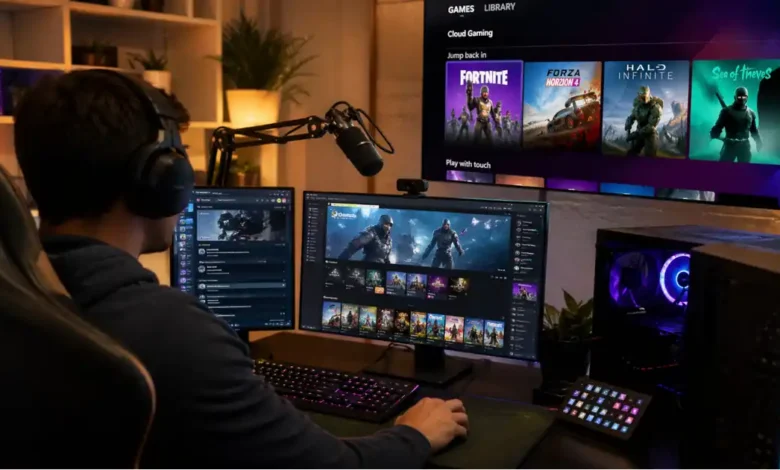
Xbox Game Pass Ultimate leads the pack in 2026, offering cloud streaming of hundreds of titles across devices with minimal latency. Nvidia GeForce Now excels for PC gamers, allowing streaming of owned libraries at high resolutions without repurchases. Boosteroid impresses with its seamless performance, making users forget they’re not playing locally.
Amazon Luna provides family-friendly options with controller support, while Samsung Gaming Hub integrates streaming directly into smart TVs for effortless access. These platforms prioritize cross-play and social features, enhancing multiplayer experiences, and niche services like Tabootube offer unique content for specific audiences.
How to Choose the Right Gaming Marketplace
Selecting a gaming marketplace starts with assessing your preferred genres and budget—opt for ones with strong libraries in those areas. Check compatibility with your devices, as some excel in mobile integration while others focus on PC. Read user reviews for insights on customer service and refund policies.
Consider additional perks like loyalty programs or exclusive deals that add value over time. Security certifications and anti-fraud measures are crucial to protect your investments. Finally, trial periods or free tiers can help test the waters before committing.
Incorporating “game buying guides” as semantic aids, this process ensures a personalized fit. Prioritizing these factors leads to a more enjoyable gaming journey.
Integrating Social Features in Gaming Hubs
Social integration in gaming hubs includes real-time chat, friend lists, and shared playlists, turning solo play into communal events. Features like voice channels and achievement sharing build camaraderie among players. Content creation tools allow easy clipping and uploading of highlights to embedded social feeds.
Moreover, leaderboards and tournaments within the hub encourage competition and skill-building. Partnerships with influencers provide live Q&A sessions, enriching the experience. Privacy controls ensure safe interactions, balancing openness with security.
LSI keywords such as “gaming community networks” emphasize connectivity. These elements make hubs more than platforms—they become social ecosystems.
The Future of Gaming Marketplaces and Streaming
Looking ahead, AI-driven personalization will dominate, predicting user preferences with uncanny accuracy for tailored marketplaces. VR/AR integrations promise immersive shopping and streaming, blurring lines between virtual and real. Blockchain could revolutionize ownership, enabling true digital asset trading.
Sustainability efforts, like energy-efficient servers for streaming, will address environmental concerns. Global expansions will make hubs accessible in emerging markets with localized content. Hybrid models combining free-to-play with premium streams will democratize access.
Phrases like “next-gen gaming ecosystems” capture this evolution. The future holds boundless potential for innovative, inclusive gaming.
Tips for Maximizing Your Gaming Experience
To get the most from a gaming marketplace, subscribe to newsletters for deal alerts and early access. Customize settings for optimal performance, such as adjusting stream quality based on your internet speed. Engage with communities to discover hidden gems and strategies.
Experiment with cross-platform play to connect with more friends. Use analytics tools within hubs to track progress and improve skills. Regularly update apps to benefit from new features and security patches.
Including “gaming optimization tips,” these practices enhance enjoyment. Consistent application turns average sessions into epic adventures.
Common Challenges and Solutions in Gaming Hubs
Latency issues in streaming can frustrate players; solutions include wired connections or upgrading to 5G for smoother play. Overwhelming choices in marketplaces lead to decision fatigue—use curated lists or AI recommendations to narrow options. Account security breaches are a risk; enable two-factor authentication and monitor activity.
Compatibility problems across devices can arise; choose hubs with broad support like Samsung’s ecosystem. High costs from subscriptions add up; bundle services for savings. Poor customer support hinders resolutions—opt for platforms with 24/7 chat.
Terms like “gaming troubleshooting guides” aid in problem-solving. Addressing these proactively ensures uninterrupted fun.
Conclusion: Embracing the Ultimate Gaming Marketplace and Streaming Hub
In summary, the fusion of a gaming marketplace and streaming hub represents the pinnacle of modern gaming convenience and excitement. By offering seamless access to purchases, streams, and social interactions, these platforms cater to every aspect of a gamer’s needs in 2026. We’ve explored features, benefits, and future trends that make them indispensable.
As technology advances, embracing these hubs will keep you at the forefront of the gaming world. Whether buying the latest title or streaming with friends, the right platform elevates every moment. Dive in today and transform your play into something extraordinary.