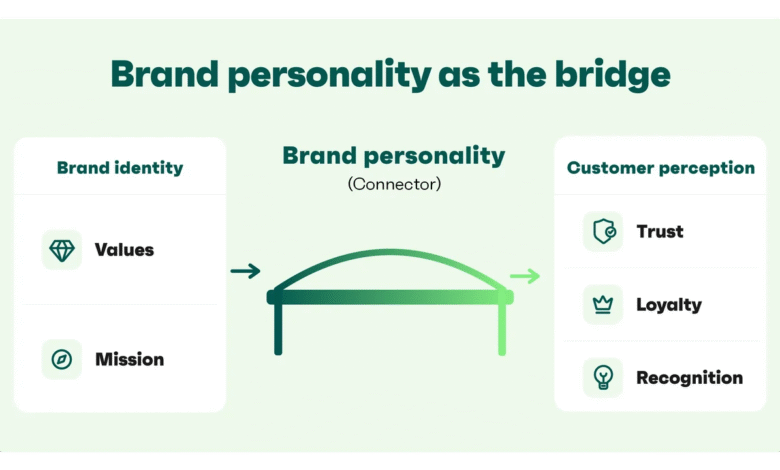
When customers interact with your brand, they’re making judgments at every single touchpoint. Whether they encounter your business through social media, a website, an email campaign, or an in-person event, they’re forming impressions that either build or erode confidence in what you offer. Consistency across these experiences is not just a branding exercise. It’s one of the most powerful ways to quietly signal that your business is reliable, intentional, and genuinely worth trusting.
Why Consistency Communicates Credibility
First impressions matter, but so do second, third, and fourth ones. When a customer moves from your Instagram profile to your website and then to a physical event, they should feel like they’re engaging with the same entity throughout that entire journey. If your tone shifts dramatically, your visuals feel disconnected, or your messaging seems to come from entirely different organizations, that inconsistency registers as a red flag. People may not consciously articulate why they feel uncertain about a brand, but inconsistency is often the quiet culprit lurking behind that hesitation. Trust is earned gradually, and broken far more easily than most businesses realize.
The Digital-to-Physical Handoff
One of the most overlooked alignment challenges happens when brands make the transition from digital spaces to physical ones. A company can have an exceptionally polished online presence and then show up to a trade show or industry event in a way that feels generic or completely mismatched. This gap is jarring for returning customers who already have expectations built from prior digital interactions. When sourcing trade show rentals , the design, signage, and overall presentation of your booth should echo the same personality and visual language that already exists across your website and social channels. That kind of cohesion doesn’t happen by accident; it takes deliberate planning.
Voice and Tone as Brand Anchors
Beyond visuals, the way your brand speaks is one of the most powerful alignment tools available. Your tone of voice, whether it’s authoritative, friendly, witty, or educational, should carry through every caption, email subject line, and conversation your team has at a live event. Many businesses invest heavily in defining their visual brand guidelines while seriously underinvesting in written tone guidelines. When a customer reads a warm, conversational email from your company and then encounters stiff, corporate language on a product brochure, that disconnect chips away at the sense of familiarity and trust you’ve worked hard to build. Tone is a thread, and every piece of communication either strengthens or frays it.
Training Your Team to Be Brand Ambassadors
Your team members are living extensions of your brand, especially in face-to-face settings. Every sales rep, booth staffer, and customer service agent needs to understand not just what your company does, but how it communicates and what values it genuinely embodies. This means investing in onboarding that goes well beyond product knowledge and digs into brand personality. When your team shows up to events speaking the same language, prioritizing the same values, and projecting the same energy as your marketing materials, customers feel that alignment in a very real way. It creates a sense of coherence that makes your business feel trustworthy on a deeply human level, and that’s not something any logo can do on its own.
Consistency Across Paid and Organic Channels
Paid advertising is another area where brand alignment can quietly fall apart. Businesses sometimes allow their paid ad teams to operate independently from their content or brand teams, which results in ads that feel tonally or visually foreign to the rest of the experience. When a customer clicks a polished ad and lands on a page that feels rushed or stylistically off, the experience breaks trust almost immediately. Organic and paid channels should share the same creative sensibility, even when their specific goals differ from one another. Customers don’t think in terms of campaign structures or departmental silos, so your brand shouldn’t look like it does either.
Conclusion
Building a recognizable, trustworthy brand is not just about having a great logo or a clever tagline. It’s about the cumulative experience customers have every time they interact with your business across any medium. When your digital presence, physical presence, advertising, and team communication all feel like chapters from the same story, customers instinctively feel more confident in what you offer. That confidence is what drives loyalty, referrals, and long-term relationships. Alignment, at its core, is a quiet but consistent promise that your business keeps every single day.