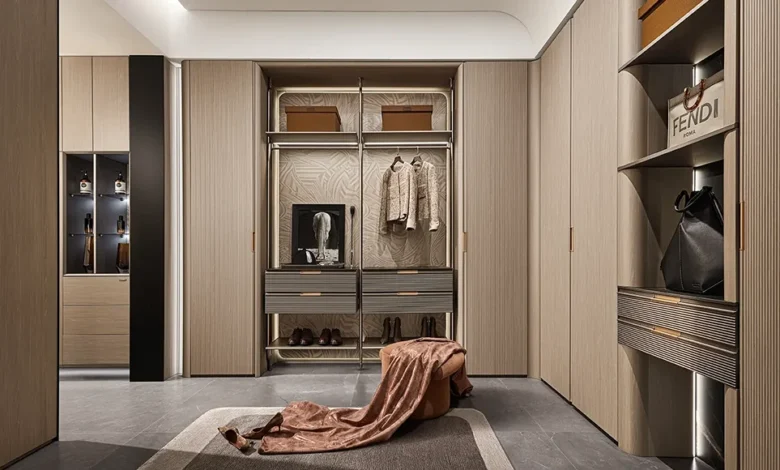
A well-designed wardrobe can completely change the way a bedroom looks and functions. It is not simply a place to hang clothes; it can also help keep a room organized, make better use of available space, and contribute to the overall interior style. For homeowners looking for a combination of appearance, practicality, and customization, OPPEIN wardrobes offer a range of solutions designed for different lifestyles and room layouts.
Why a Good Wardrobe Matters
Storage is one of the first things people should consider when planning a bedroom. Even a beautifully decorated room can feel uncomfortable when clothes, shoes, bags, and accessories have nowhere to go. A thoughtfully designed wardrobe keeps everyday items within reach while helping maintain a clean and uncluttered environment.
The right wardrobe should match the available space rather than forcing the room to adapt around it. This is particularly important in modern homes, where bedrooms can vary significantly in size. Built-in and customized wardrobes can make use of corners, narrow walls, high ceilings, and other areas that might otherwise remain unused.
At the same time, storage furniture has become an important part of interior design. Door finishes, handles, colors, materials, lighting, and internal organization can all influence the character of a room.
A Balance Between Style and Function
One of the biggest advantages of a customized wardrobe is the ability to balance visual appeal with practical storage. A wardrobe may look impressive from the outside, but its internal design is equally important.
For example, someone with a large collection of shirts may need more hanging space, while another person may prefer shelves and drawers for folded clothing. Additional compartments can be useful for handbags, watches, jewelry, shoes, or other personal belongings.
Modern wardrobe designs can include a mixture of hanging rails, adjustable shelves, drawers, pull-out baskets, and dedicated accessory compartments. This allows homeowners to organize their belongings according to their daily habits instead of relying on a one-size-fits-all layout.
Choosing the Right Wardrobe Style
Wardrobes are available in many different styles, so the best choice depends on the overall design of the room. Minimalist interiors often benefit from wardrobes with simple lines, neutral colors, and discreet handles. In contrast, classic bedrooms may work well with decorative details, warmer finishes, and more traditional designs.
Sliding-door wardrobes are particularly useful in rooms where floor space is limited. Because the doors move sideways instead of opening outward, they require less clearance in front of the wardrobe. Hinged-door models, on the other hand, can provide a more traditional appearance and make the entire interior easier to access at once.
Glass and mirrored finishes can also change how a bedroom feels. Mirrored doors may make a smaller room appear more open, while glass panels can add a contemporary touch when combined with suitable lighting and interior finishes.
Customization for Different Spaces
Every bedroom has its own dimensions and challenges. A wardrobe that works perfectly in a spacious master bedroom may not be suitable for a compact guest room. Customization helps address these differences.
For example, a floor-to-ceiling wardrobe can take advantage of vertical space and provide additional storage without increasing the furniture’s footprint. In smaller rooms, a carefully planned combination of drawers, shelves, and hanging sections can make a noticeable difference.
Corner areas can also be incorporated into wardrobe planning. Instead of leaving awkward spaces unused, a customized design can turn them into useful storage zones.
This flexibility is one reason wardrobe planning should happen alongside the wider interior design process. Wall colors, flooring, lighting, bed placement, and other furniture should all be considered before finalizing the wardrobe layout.
Materials and Finishes
The materials used in a wardrobe influence both its appearance and everyday experience. Wood-based panels, glass, metal hardware, laminates, and various decorative finishes can be combined to create different looks.
Neutral shades such as white, beige, gray, and natural wood tones remain popular because they can work with many interior styles. Darker finishes can create a more dramatic appearance, while lighter surfaces may help a room feel brighter.
Quality hardware is also worth considering. Hinges, drawer runners, handles, and sliding mechanisms are used frequently, so their durability can have a major effect on the long-term experience of using the wardrobe.
When comparing wardrobe options, it is therefore useful to look beyond the exterior design. The quality of construction, finishing, fittings, and internal organization can be just as important as the overall appearance.
OPPEIN and Modern Interior Solutions
For homeowners and designers exploring customized furniture, working with an experienced manufacturer can simplify the process. Companies specializing in complete interior solutions can often provide design assistance, production, and different furniture options under one service.
OPPEIN has developed a broad range of home furniture and interior products, allowing customers to coordinate wardrobes with other areas of a home. This approach can be helpful when a consistent design language is desired across bedrooms, kitchens, living spaces, and other areas.
As a Chinese interior design company, OPPEIN operates within a large manufacturing and design industry that has increasingly focused on customization and modern residential solutions. The combination of design planning and manufacturing can give homeowners more flexibility when developing furniture for specific spaces.
Making a Wardrobe Work for Your Lifestyle
A wardrobe should be designed around the way people actually use it. Before choosing a layout, it helps to think about what needs to be stored and how frequently each item is accessed.
Frequently worn clothes should be placed in easily accessible sections. Seasonal clothing can be stored higher up or in less frequently used compartments. Shoes and accessories can have dedicated areas to prevent smaller items from becoming difficult to find.
Lighting is another useful feature to consider. Internal wardrobe lighting can make it easier to find clothing, especially in darker bedrooms. Motion-activated lighting can provide additional convenience without requiring a switch every time the wardrobe is opened.
Keeping the Design Timeless
Interior trends change, but wardrobes are generally long-term investments. Choosing a design that can adapt to changing tastes is therefore a sensible approach.
Simple finishes, practical layouts, and good-quality hardware can remain attractive for many years. Decorative elements can always be introduced through smaller items such as handles, lighting, rugs, bedding, or wall decorations.
A timeless wardrobe does not necessarily have to be boring. A carefully selected combination of materials, subtle textures, and well-planned proportions can create a sophisticated appearance without depending heavily on short-lived trends.
Final Thoughts
A wardrobe plays a much bigger role in a bedroom than simply providing storage. It can influence organization, comfort, available space, and the overall appearance of the interior. Choosing the right combination of layout, materials, finishes, and storage features can make everyday life easier while creating a more polished living environment.
Whether the goal is to maximize a compact bedroom or create a luxurious master suite, customized wardrobe solutions provide plenty of possibilities. By considering personal storage needs alongside the room’s design, homeowners can create furniture that looks attractive and works efficiently for years to come.