Leveraging Programmatic Display Advertising For Enhanced PR
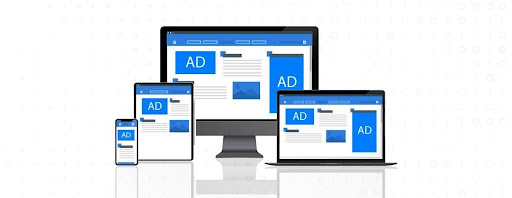
Public relations used to be all about getting your name in the paper or on TV, right? Well, things have changed. While those traditional methods still have their place, the digital world offers so much more. That’s where programmatic display advertising comes in. It’s not just for selling stuff; it’s a smart way to get your PR message out there to the right people.
Think about it. You’ve worked hard to craft a great story, a compelling announcement, or a positive brand message. You want that message to reach folks who actually care, not just a random crowd. Programmatic display advertising lets you do just that. It uses data to figure out who’s most likely to be interested in what you’re saying and then shows them your ads.
Extending PR Strategies with Programmatic Reach
PR campaigns often aim to build awareness and shape perception. Programmatic display advertising can take those goals and amplify them. Instead of just hoping a journalist picks up your story, you can use targeted ads to reach audiences who are already interested in your industry or topic. This means your PR efforts aren’t limited to just earned media; you can actively push your narrative to specific groups.
- Targeted Audience Identification: Pinpoint demographics, interests, and online behaviors of your ideal audience.
- Geographic Precision: Reach people in specific locations, which is great for local events or businesses.
- Behavioral Retargeting: Show ads to people who have already interacted with your brand or website.
Programmatic display advertising allows PR professionals to move beyond simply reacting to media opportunities and instead proactively shape the conversation by reaching specific audiences with tailored messages.
Strengthening Brand Visibility Through Targeted Ads
Visibility is key in PR. You want your brand to be seen and remembered. Programmatic display advertising helps you get seen by the right eyes. It’s about making sure your brand’s message lands in front of people who are likely to become customers, advocates, or simply understand your brand’s value. This isn’t about shouting into the void; it’s about having a focused conversation.
Achieving Audience Precision in PR Campaigns
This is where programmatic display really shines for PR. Traditional PR might cast a wide net, hoping to catch the right fish. Programmatic display lets you use a much more precise lure. You can define your audience down to specific interests and online habits. This means your PR message, whether it’s about a new product, a company milestone, or a thought leadership piece, gets seen by people who are genuinely receptive. It makes your PR efforts more efficient and effective, cutting down on wasted impressions and focusing on meaningful engagement.
The Strategic Advantage of Programmatic in PR
Bridging Earned Media and Paid Amplification
Think about it: you’ve worked hard to get that great story in a respected publication. That’s earned media, and it’s gold. But what if you could make that story reach even more of the right people? That’s where programmatic display advertising comes in. It’s not about just blasting your message everywhere; it’s about smartly amplifying the credibility you’ve already earned. We’re talking about taking that fantastic press mention and using digital ads to put it in front of audiences who are already interested in what you do, or who you want to be interested.
Crafting Consistent Brand Narratives Across Channels
It’s easy for a brand’s message to get a little… scattered. One day you’re talking about one thing on your website, another on social media, and then a press release says something slightly different. Programmatic helps tie all those threads together. By using targeted ads, you can ensure that the core message from your PR efforts is reinforced consistently, no matter where someone encounters your brand online. This builds a stronger, more unified picture in people’s minds. It’s like making sure everyone in the band is playing the same song, at the same tempo.
Utilizing Data for Precision Targeting
This is where things get really interesting. Forget just guessing who your audience is. Programmatic advertising lets you get super specific. You can target people based on their online behavior, their interests, their demographics, and even where they live. So, if your PR campaign is focused on a new eco-friendly initiative, you can use programmatic to show ads about it specifically to people who have shown interest in sustainability or environmental causes. It’s about making sure your message lands with people who are most likely to care, cutting out the waste of showing it to folks who aren’t.
The real power here is moving from broad strokes to fine-tuning. It’s about understanding who you’re talking to and speaking directly to them, using the insights gained from data to make your PR efforts hit the mark every single time.
Elevating Brand Reputation with Programmatic Display
Securing High-Quality Media Placements
Getting your brand noticed in the right places is tough. It’s not just about getting any press; it’s about getting the good press. Think features in respected industry magazines or mentions on popular lifestyle blogs. This kind of coverage builds trust. For example, The Vox Agency knows how to find these spots. They don’t just send out generic announcements. Instead, they look at what a journalist has written before and tailor their pitch. If a writer recently covered sustainable travel, pitching them a story about your resort’s eco-friendly practices makes a lot more sense than just saying you have a new pool.
Reinforcing Brand Credibility Through Strategic Ads
Once you’ve got some good press, you want to make sure people see it and believe it. Programmatic display ads can help with this. You can use them to promote the articles or features you’ve secured. This shows potential customers that reputable sources are talking about you. It’s like getting a stamp of approval. Instead of just saying “we’re great,” you can show them “look, this well-known publication says we’re great.” This builds a stronger sense of trust and makes your brand seem more reliable.
Building Community Engagement with Targeted Messaging
Reputation isn’t just about what the media says; it’s also about how people feel about your brand. Programmatic advertising lets you talk directly to specific groups of people. If you want to connect with local families, you can show them ads about family-friendly events. If you’re targeting business travelers, you can highlight your meeting facilities. This kind of targeted messaging makes people feel like you understand them. It helps build a loyal community around your brand because you’re speaking their language and addressing their specific needs. It’s about making genuine connections, not just shouting into the void.
Tailored PR Campaigns Fueled by Programmatic Insights
Avoiding Generic Solutions with Data-Driven Approaches
Look, trying to make a splash in today’s market with the same old playbook just doesn’t cut it anymore. You know, like sending out a generic press release and hoping for the best? It’s a recipe for getting lost in the shuffle. Every business, whether it’s a swanky hotel or a local diner, has its own unique story and audience. Trying to force them into the same mold just wastes time and money. We’re talking about custom-fit campaigns here, designed specifically for what makes your brand tick and what your customers actually care about.
Local Expertise Amplified by Programmatic Reach
Being in a place like Las Vegas, or any busy city for that matter, means you’ve got a lot of competition. But it also means there’s a huge opportunity if you know how to tap into it. Programmatic advertising lets us get super specific, reaching people who are actually interested in what you offer, right where they are. It’s like having a local guide who also knows how to talk to people all over the country, or even the world, about what makes your spot special. We can pinpoint neighborhoods, interests, even times of day when people are most likely to be looking for a new restaurant or a weekend getaway.
Executing Multi-Layered Campaigns for Maximum Impact
So, how do we actually make this happen? It’s not just one thing. We build campaigns that hit people from a few different angles. Think about it:
- Getting the story right: We figure out what makes your brand stand out – maybe it’s your amazing chef, a unique historical angle, or a killer design. This is the core message.
- Finding the right eyes: Using programmatic tools, we identify exactly who needs to hear this story. Are they foodies? Families? Business travelers? We find them.
- Telling the story everywhere: We then place your story where it makes sense – on websites they visit, apps they use, maybe even during videos they watch. It’s about being present without being annoying.
- Making it shareable: We also look for those “Instagrammable” moments or unique experiences that people will want to talk about and share online themselves. That’s free advertising, right?
The goal is to create a consistent buzz that feels natural and builds real connection, not just a fleeting moment of attention. It’s about building a reputation that lasts, one targeted message at a time.
It’s a lot more involved than just sending out a press release, that’s for sure. But when you get it right, the results speak for themselves. People start talking, they start visiting, and your brand starts to feel like a must-know spot.
Measuring Success: The ROI of Programmatic PR
So, how do we actually know if all this fancy programmatic display advertising is doing its job for our PR campaigns? It’s not just about counting likes or shares anymore, though those can be part of the picture. We’re talking about real impact, the kind that sticks around and actually helps the brand grow.
Tracking Brand Elevation Beyond Traditional Metrics
Forget just looking at how many articles were published. That’s old school. With programmatic, we can see how our targeted ads are influencing what people think about the brand. Are they talking about us more positively? Are they seeing us as a leader in our field? We can track sentiment shifts in online conversations and look at how often our brand is mentioned in discussions where it really matters – not just anywhere, but in places where our target audience hangs out.
- Increased positive sentiment in online reviews and social media mentions.
- Higher engagement rates on content related to PR campaign themes.
- Growth in direct traffic to PR-focused landing pages from programmatic ads.
- More inquiries from potential partners or media outlets citing specific campaign elements.
We need to look at the quality of the attention we’re getting, not just the quantity. Programmatic helps us zero in on that quality by putting our message in front of the right eyes.
The Long-Term Legacy of Targeted Campaigns
Think of it like planting a tree. You don’t see the full shade and fruit the next day. Programmatic PR builds a foundation. By consistently reaching the right people with the right message, we’re building a stronger brand reputation over time. This means when something unexpected happens, good or bad, the brand has a built-in reservoir of goodwill. It’s about creating a lasting impression, not just a fleeting moment.
Here’s a look at what that long-term impact can mean:
- Building Brand Equity: Consistent, targeted messaging makes the brand more valuable in the long run. People trust and remember brands that speak directly to them.
- Increased Market Resilience: Brands with strong reputations, built through smart campaigns, tend to bounce back faster from challenges.
- Attracting Better Opportunities: A solid reputation opens doors for better partnerships, media features, and customer loyalty.
Data-Driven Iconography for Sustained Impact
This is where it gets really interesting. Programmatic gives us data. We can see what parts of our PR story are actually catching people’s attention. Maybe it’s a specific initiative, a unique feature of a product, or a community project. We can then use that data to double down on those elements. If guests are constantly sharing photos of a particular art installation, for example, we can make that a bigger part of our PR narrative. It’s about using what people are already responding to, amplified by targeted ads, to make certain aspects of the brand truly iconic and memorable.
| Metric Category | Programmatic PR Focus |
| Awareness | Impressions & Reach within target demographics |
| Engagement | Click-through rates, time on site, content interaction |
| Perception | Sentiment analysis, share of voice, brand mentions |
| Conversion (Indirect) | Lead generation from PR content, partnership inquiries |
| Long-Term Value | Brand recall, reputation scores, market share growth |
Integrating Programmatic Display Advertising into PR Workflows
So, you’ve got a great PR story, a solid plan, and you’re ready to get the word out. But how do you make sure that story actually lands with the right people, and not just a general audience? This is where bringing programmatic display advertising into your public relations workflow really starts to make sense. It’s not about replacing PR; it’s about giving it a supercharged boost.
Synergizing PR Efforts with Digital Advertising
Think of it like this: your PR team is out there building relationships, crafting compelling narratives, and securing those amazing earned media placements. That’s the foundation. Programmatic display advertising comes in to amplify that message. Instead of just hoping people stumble upon your press release or news article, you can use programmatic to actively serve ads that point directly to that content. This means you can target specific demographics, interests, or even people who have visited certain websites related to your industry. It’s about making sure your PR wins aren’t just seen, but seen by the right eyes.
- Identify Key Audiences: Use your PR target list and overlay it with programmatic audience data to find overlapping or complementary groups.
- Amplify Earned Media: Run display ads that link directly to articles, interviews, or features your PR team has secured.
- Reinforce Messaging: Use programmatic to serve ads that echo the key messages from your PR campaigns, ensuring consistency.
- Retarget Engaged Users: If someone clicks on a PR-related ad or visits a linked article, you can retarget them with further relevant content or offers.
The goal here is to create a feedback loop where your PR efforts inform your programmatic targeting, and your programmatic campaigns drive traffic and attention back to your earned media successes. It’s a smarter way to work.
Optimizing Pitches with Programmatic Audience Data
Before your PR team even picks up the phone or sends an email, programmatic data can offer some serious insights. You can analyze what kind of audiences are engaging with similar content online. Are they interested in sustainability? Luxury travel? Local events? This information can help refine your PR pitches. Instead of a generic pitch, you can tailor it to highlight the aspects of your story that are most likely to appeal to the specific audience segments you’re targeting through programmatic. It makes your pitches sharper and more relevant, which journalists appreciate.
Creating ‘Post-Worthy’ Moments Through Integrated Campaigns
PR is all about creating buzz and positive perception. Programmatic display advertising can help manufacture those “post-worthy” moments. Imagine your PR team secures a feature in a major travel magazine about your resort’s unique culinary program. Simultaneously, your programmatic campaign can target users interested in food and travel with visually appealing ads showcasing those same dishes, linking back to the magazine article. This integrated approach ensures that the story is not only told but also visually reinforced and actively pushed to interested parties. It turns a great PR hit into a multi-channel conversation, making your brand feel more present and exciting.
| Campaign Element | PR Focus | Programmatic Focus | Integrated Goal |
| Content | Earned Media Placements (Articles, Interviews) | Display Ads (Visuals, CTAs) | Drive traffic to earned media, reinforce message |
| Audience | Media Outlets, Journalists, Influencers | Specific Demographics, Interests, Behaviors | Reach target audience with PR message, retarget engaged users |
| Timing | Long-lead pitches, event-driven announcements | Real-time bidding, audience segmentation | Maximize visibility around PR wins, create sustained buzz |
Frequently Asked Questions
What’s the main difference between PR and advertising?
Think of advertising like buying a spot to talk about yourself. PR is more like getting someone else, like a trusted friend or a news reporter, to say good things about you because they genuinely believe it. Advertising is paid for, while PR is earned through good work and relationships.
How fast can a PR team get my brand in the news?
Getting a quick mention is sometimes possible, like with a short announcement. But landing a big story or a detailed feature takes time. It’s like building a friendship – you need to get to know the reporter, tell them a great story, and wait for them to be ready to share it. This can take weeks or even months.
Can PR help if my brand gets into trouble?
Yes, absolutely! A good PR team is like a shield for your brand. They help you get ready for tough times and know exactly what to say and do if something bad happens. Their main job is to build a good reputation, but they’re also ready to protect it when needed.
Why is it important for PR to be specific to my business?
Imagine trying to sell ice skates in a desert – it probably won’t work! PR needs to be tailored because every business is different. A PR team that understands your specific industry, like hotels or restaurants, knows who to talk to and what stories will grab their attention, making your efforts much more effective.
How do you know if a PR campaign is actually working?
It’s not just about how many articles are written. We look at whether the right kind of news is being shared – the kind that makes people think better of your brand. We also check if people are talking about your brand more positively online and if important partners are showing more interest.
Is working with social media influencers part of PR?
Yes, it definitely is these days! When influencers share your brand with their followers, it’s like a modern form of getting the word out through trusted voices. A good PR team helps find the right influencers who genuinely connect with your brand and audience.