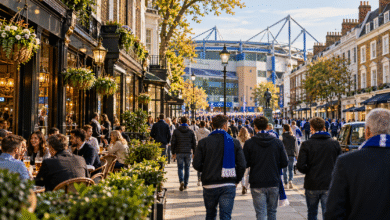
Victoria London: A Complete Guide to the Heart of Westminster
From historic landmarks to modern dining and seamless travel, discover why Victoria London remains one of Central London’s most dynamic districts.

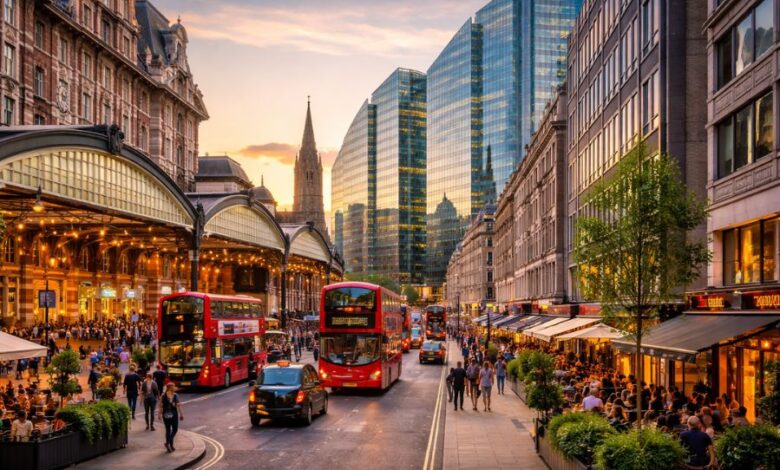
Victoria London is one of the most recognisable and practical areas in Central London, offering far more than many expect. For years, it was mainly a thoroughfare. With its famed station, busy roads, and a steady flow of commuters, Victoria became known as a transport gateway rather than a destination. Today, that image is transformed.
Modern Victoria in London is vibrant, polished, and full of character. Located in Westminster, it connects visitors to key landmarks, cultural institutions, business centres, and shopping districts. Meanwhile, the neighbourhood has forged its own identity through regeneration, enhanced public spaces, stylish restaurants, modern offices, and access to theatre and entertainment. Now, it attracts workers, tourists, residents, and day-trippers seeking convenience without sacrificing Central London’s classic charm.
This transformation has made Victoria one of the most interesting parts of the capital. It combines history, architecture, transport, business, and leisure in a way that makes London distinct. Whether someone is arriving for the first time or exploring the city in greater depth, Victoria London offers an experience that is both practical and memorable.
The Location and Importance of Victoria, London
Victoria, London, is positioned in an exceptionally valuable part of the capital. Located in Westminster, it stands close to Buckingham Palace, St James’s Park, Belgravia, Pimlico, and Westminster Abbey. This central location means the district naturally acts as a bridge between political London, royal London, and commercial London.
Its importance stems from its transport links. Victoria Station is one of London’s busiest, serving rail, Underground, coach, and bus passengers. As a result, the area sees constant movement from across London, the South East, and beyond. But the district is now defined by more than just travel. The surrounding streets reflect a place that turns movement into opportunity.
Why Victoria Stands Out in Central London
Many London neighbourhoods are known for a single identity. Some are famous for luxury, some for politics, and others for culture. Victoria, London, stands out for bringing all of these elements together. It has the convenience of a transport hub, the prestige of a Westminster address, and the growing appeal of a modern lifestyle district.
That balance has helped Victoria appeal to a wide range of people. Office workers appreciate its accessibility. Visitors enjoy its central position. Theatre lovers use it as a practical base for evenings in the West End. Diners and shoppers increasingly come for the local experience itself rather than simply waiting for a train.
The History Behind Victoria, London
The name Victoria is rooted in the Victorian era and Queen Victoria, whose reign shaped modern Britain. As London expanded in the nineteenth century, the district’s importance grew with the development of rail and urban planning. The arrival of Victoria Station made it a key hub for arrivals and departures.
For much of its history, Victoria was a practical part of the capital—busy, useful, and always moving but seldom praised for beauty or leisure. Function was the focus. Over time, London evolved, and so did expectations for city spaces. Central districts needed not just efficiency, but atmosphere, comfort, design, and quality experiences.
Regeneration and Reinvention
The recent regeneration of Victoria, London, has changed its reputation. New developments have introduced modern architecture, upgraded workspaces, better pedestrian areas, and more refined hospitality venues. This process has not erased the district’s practical role. Instead, it has added another layer.
Victoria is now where business and lifestyle meet. Streets are more inviting, the food scene is stronger, and the district attracts both daytime and evening activity. This shift clearly shows how Central London reinvents itself while honoring its historic foundations.
Transport in Victoria, London
Transport is a main reason Victoria, London, matters. Victoria Station links rail, Underground, local buses, and long-distance coach travel. This connectivity gives the neighbourhood strategic importance that few districts can match.
For commuters, the station is efficient. For visitors, it’s a simple entry into the capital. For businesses, it creates a commercial environment. The steady flow of people supports area shops, cafés, restaurants, hotels, and offices.
More Than Just a Station
Although Victoria Station is central to the district’s identity, the neighbourhood has grown beyond it. Once a place to rush through, Victoria now invites people to linger. The difference is visible in the restaurants, public squares, and the improved streetscape, all of which create a welcoming atmosphere.
Culture, Dining, and Entertainment
Victoria, London, has become increasingly attractive for culture and leisure. Its position near the West End makes it ideal for theatre-goers who want easy travel before and after a show. At the same time, the district itself has developed a stronger mix of places to eat, meet, and unwind.
Restaurants in Victoria now range from casual to refined dining. Coffee shops, hotel lounges, and stylish eateries have given the area a contemporary rhythm, making it appealing both day and night.
A Neighbourhood Close to London Icons
One of Victoria’s great advantages is its closeness to some of London’s most famous attractions. Buckingham Palace, Green Park, St James’s Park, and Westminster Cathedral are all within easy reach. This means that a visit to Victoria, London can quickly become part of a larger journey through royal, political, and historic London.
The Balance of Tradition and Modern Living
Victoria’s appeal lies in blending old and new. Grand historic institutions sit beside sleek developments. Formal tradition meets modern energy, creating a district rooted in London’s past and engaged with its future.
Why Victoria London Continues to Grow in Popularity
Victoria, London, continues to rise in profile because it answers many demands of modern city life: people seek convenience and atmosphere, accessibility and quality surroundings. Victoria delivers both.
Regeneration has attracted businesses, visitors, and residents. The district feels smarter, better connected, and more complete than in previous decades. It is now a place to explore, enjoy, and remember, not just arrive.
Conclusion
Victoria, London has evolved into one of Central London’s most impressive urban success stories. Once viewed mainly as a transport corridor, it has developed into a destination with its own appeal. Its location in Westminster, strong transport links, architectural renewal, and growing food and culture scene have all helped redefine what the area means to London.
Today, Victoria is efficient without feeling cold, central without feeling chaotic, and modern without losing its historic character. This rare mix explains the district’s lasting appeal. For anyone interested in London’s evolution, Victoria demonstrates how a neighbourhood can honour its past and embrace a vibrant future.
(FAQs)
What is Victoria London known for?
Victoria, London, is known for its major transport links, its central Westminster location, and its proximity to landmarks like Buckingham Palace and Westminster Cathedral. The area is increasingly recognized for dining, business, and leisure.
Is Victoria, London, a good place to visit?
Yes, Victoria, London is an excellent place to visit for its convenience and culture. It offers excellent transport links, attractions, restaurants, and quick access to Central London.
Why has Victoria London become more popular?
Victoria has become more popular because of large-scale regeneration. Improvements to offices, streets, dining venues, and public spaces have transformed it from a transport-focused area into a more attractive and modern destination.
Is Victoria, London, only about the station?
No, Victoria London is much more than its station. While transport remains central to the area’s identity, the neighbourhood now includes shopping, restaurants, business centres, historic sites, and access to cultural attractions.
Where is Victoria, London, located?
Victoria, London, is located in the City of Westminster, Central London. It sits near Belgravia, Pimlico, St James’s Park, and Buckingham Palace, making it one of the capital’s most strategically placed districts.