Stuart Attwell: The Rise, Controversy, and Redemption of a Modern English Referee
A detailed look at the career, challenges, and legacy of one of English football’s most discussed match officials

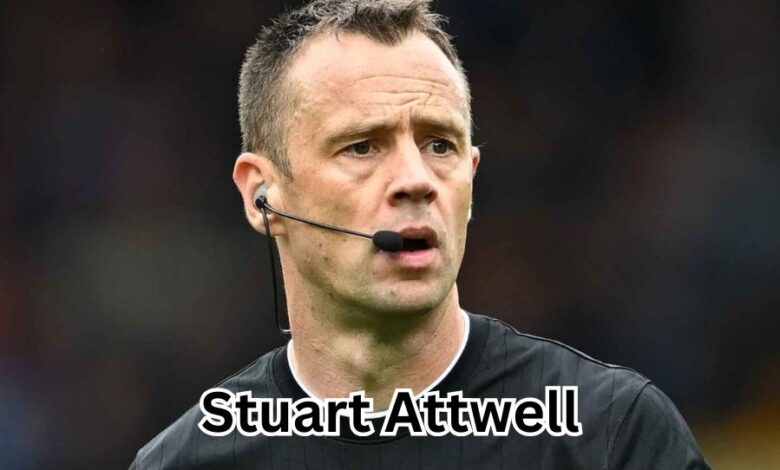
Stuart Attwell has become one of the most recognizable referees in modern English football. His name is often linked to rapid promotion, the controversial 2008 “ghost goal” incident, demotion and comeback, public criticism, and professional recovery. In a sport where referees face constant judgment from managers, players, pundits, and supporters, Attwell’s journey exemplifies the demands of life at the highest level. His story is not just about decisions on the pitch; it is about pressure, discipline, resilience, and the ability to rebuild a career under the brightest spotlight.
In English football, referees rarely enjoy the same level of admiration as star players or successful managers. Their mistakes are replayed endlessly, while their good performances often go unnoticed. Stuart Attwell experienced this reality very early in his career. Yet despite criticism and setbacks, he continued to develop and eventually restored his reputation as a respected Premier League referee. His career offers valuable insight into the world of football officiating and the character needed to survive in it.
Early Life and Background
Growing Up in Warwickshire
Stuart Attwell was born on 6 October 1982 in Nuneaton, Warwickshire. From a young age, he had a strong connection to football, like many boys growing up in England. However, instead of focusing on becoming a player, he was drawn to the laws of the game and the role of the referee. This choice immediately set him on a different path from most young football enthusiasts.
Choosing to become a referee requires a unique mindset. It demands confidence, authority, sharp thinking, and emotional control. While many dream of scoring goals in packed stadiums, Attwell chose the far less glamorous task of enforcing the rules and managing highly charged matches. That early decision shaped the rest of his professional life.
A Different Path into Football
For many officials, the refereeing journey is long and gradual. Stuart Attwell moved quickly through the English football system, showing promise from an early age. His strong understanding of the game, confidence, and commitment helped him rise faster than his peers. This rapid progress became a defining feature of his career.
The Rapid Rise of Stuart Attwell
Becoming a Premier League Referee at a Young Age
One remarkable aspect of Stuart Attwell’s career is how quickly he reached the top. He became the youngest referee to officiate in the Premier League in the modern era. This achievement drew attention across English football and suggested officials saw enormous potential in him.
Reaching the Premier League so young marked a turning point for Attwell. It was not just a personal achievement; it brought huge expectations. Every performance was scrutinized, every decision analyzed, and every error amplified. With early success came an equally early burden. Instead of developing quietly, Attwell entered the most demanding stage of English refereeing while still gaining experience.
Pressure at the Highest Level
The Premier League is one of the fastest and most competitive leagues in the world. Referees must keep up with elite athletes, interpret incidents in seconds, and manage intense situations with some of the game’s biggest names. For a young referee, the challenge is enormous.
Stuart Attwell’s rise brought him into the national spotlight before he had the protective benefit of long experience. This led to extra scrutiny on his performances, and any controversial moment quickly became headline material. In football, reputation can change quickly, and referees often have little time to escape public opinion.
Controversial Moments and Public Scrutiny
The Decisions That Shaped Perception
Like many referees, Stuart Attwell became linked with a number of controversial decisions. Some of these incidents brought criticism from fans, clubs, and media commentators. In modern football, a single mistake can define the conversation around an official for months or even years. This is especially true when the referee is already under scrutiny because of age or rapid promotion.
Controversy is part of refereeing, but repeated scrutiny can damage confidence and public standing. Attwell found himself in exactly that environment during the period when specific decisions he made were frequently questioned. Rather than being known only for his potential, he became known for his debating skills. This was a difficult stage in his career and one that could have permanently limited his progress.
The Harsh Reality of Refereeing
Football fans often see referees only in the context of a single game. They do not always consider the preparation, training, and psychological strain involved. Stuart Attwell’s experiences showed how unforgiving the role can be. Referees must stay calm while thousands question their competence in real time. They make major calls instantly, with little margin for error.
For Attwell, this period showed how mentally demanding elite officiating can be. Public criticism is not just noise. It affects confidence, reputation, and future appointments. Surviving that climate requires unusual strength.
Setbacks and Professional Reset
Moving Away from the Spotlight
After facing criticism, Stuart Attwell did not disappear from football. Instead, he continued to work, develop, and rebuild. The key turning point came when he shifted from relying on reputation to demonstrating renewed trust through performance and consistency. This transition marked the most challenging phase of his professional comeback.
A setback in refereeing can be especially painful because officials cannot easily defend themselves in public. They must respond through discipline, improved judgment, and professionalism. Attwell’s willingness to keep working through difficult years revealed an important side of his character.
Learning Through Experience
Every referee makes mistakes, but the best officials learn from them. Stuart Attwell’s later career suggested growth in decision-making, game management, and composure. Experience often sharpens a referee’s instincts, and his return to major appointments indicated that he had developed from earlier challenges. What once looked like career damage gradually became part of a broader recovery story.
Redemption and Return to Prominence
Rebuilding Respect in English Football
A striking part of Stuart Attwell’s career is his redemption. Many in football struggle to recover when public confidence is lost. Attwell managed this by staying committed and proving his quality over time. His return to big fixtures showed he had regained credibility within the officiating system.
His redemption was not sudden or dramatic. It came through steady work, improved performances, and the trust of referee appointers. That made his comeback meaningful—it was built on merit, not sympathy.
A Symbol of Resilience
Stuart Attwell’s career is now often seen as a story of resilience. He rose quickly, suffered public setbacks, and then rebuilt himself in a profession where mistakes are never forgotten easily. That journey makes him an important figure in discussions about modern refereeing. He represents the reality that officials are human, as well as the possibility of growth and recovery at the elite level.
Stuart Attwell’s Place in Modern Football
More Than a Referee
Although referees rarely become celebrated public figures, Stuart Attwell has earned a notable place in English football history. His career reflects larger themes within the game, including the pressure of scrutiny, the speed of media judgment, and the importance of mental toughness. He is not remembered only for controversy. He is also remembered for enduring it.
The Modern Refereeing Landscape
Today’s football environment is more intense than ever. Television analysis, social media reaction, and constant debate now expose referees constantly. Stuart Attwell’s career fits this modern era. He became a case study in how officials are developed, criticized, and assessed. His story reminds fans that referees are central to the integrity of football, even if they are often misunderstood.
Conclusion
Stuart Attwell’s journey is a compelling story of ambition, controversy, learning, and redemption. From early life in Warwickshire to a rapid rise and tough moments at the top, he has faced nearly every challenge in the profession. What defines him is not criticism, but the way he responded to it.
His career proves refereeing is one of sport’s toughest roles. It demands authority without ego, resilience without applause, and consistency under pressure. Stuart Attwell has lived all this in full view of the football world. For that reason, his place in modern English football is distinctive and deserved. He is an example of how professionalism can restore a career, even after tough public moments.