Social media silent scroller traits: Powerful Signs Someone Watches More Than They Post
Understanding the Quiet Online Behavior Behind Digital Observation, Private Engagement, and Passive Social Media Use

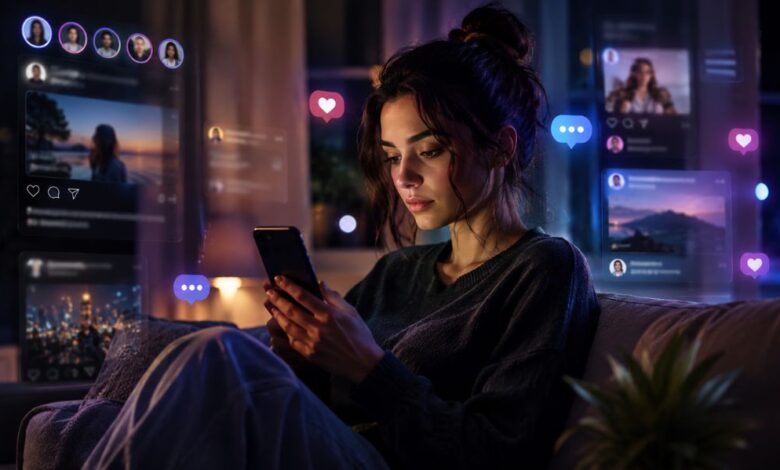
Social media silent scroller traits describe the habits, behaviors, and patterns of people who use social media regularly but rarely post, comment, react, or join public conversations. These users are often called silent scrollers, lurkers, passive users, or quiet observers. They may spend time on Instagram, TikTok, Facebook, X, YouTube, LinkedIn, or Reddit, but their presence is mostly invisible to others. They watch stories, read captions, follow trends, consume videos, compare opinions, and observe people’s lives without leaving many public signs behind.
A silent scroller is not necessarily shy, antisocial, or uninterested. Frequently, this behavior stems from a desire for privacy, emotional caution, hectic schedules, content fatigue, or a wish to avoid online conflict. Some individuals prefer absorbing information and observing to actively engaging. Others feel compelled to present a flawless image online and therefore remain silent. Grasping these characteristics matters, as silent scrolling now constitutes a foundational part of digital behavior. In an environment where constant posting seems standard, many people are, in fact, quietly observing from the margins.
What are the traits of a silent scroller on social media?
Social media silent scroller traits are the common signs that show someone is active online but prefers not to interact publicly. These traits can include watching stories without replying, reading comments without joining the discussion, saving posts privately, following accounts without engaging, or checking updates without sharing personal content. A silent scroller may know what is happening in their social circle, favorite niche, or industry, but they rarely make their presence obvious.
This type of user often treats social media like a window rather than a stage. Instead of using platforms to perform, promote, or debate, they use them to observe. They may enjoy entertainment, news, lifestyle content, celebrity updates, educational posts, memes, or business insights, but they do not always feel the need to respond to them. Their online activity is real, but it is quiet. This makes silent scrollers a major part of social media audiences, even though brands, creators, and friends may not notice them easily.
Why Do People Become Silent Scrollers?
Many people become silent scrollers because social media can feel overwhelming. Constant opinions, arguments, trends, personal updates, and polished lifestyles can make active participation feel tiring. Instead of posting or commenting, some users prefer to scroll, absorb information, and keep their thoughts private.
Another motivation is fear of judgment. Many users worry that their posts will lack likes, that their comments may be misinterpreted, or that their opinions might attract criticism. Such pressure can encourage passive social media habits. Silent scrollers may also strongly value privacy. They may avoid revealing their thoughts, activities, or interests to strangers, colleagues, family, or old acquaintances.
For others, silent scrolling is simply a habit. They open an app during breaks, before sleeping, while commuting, or when bored. They are not looking for deep interaction. They just want quick entertainment, updates, or a distraction. This quiet pattern can become automatic over time.
H2: Common social media silent scroller traits
H3: They Watch Stories but Rarely Reply
One of the most common social media silent scroller traits is watching stories without responding. Silent scrollers may view Instagram, Facebook, Snapchat, or WhatsApp stories every day, but they rarely send emojis, comments, or direct messages. This does not always mean they are uninterested. They may simply prefer to observe without starting a conversation.
For many silent users, replying to a story feels like opening a social door. If they are not ready for a conversation, they avoid responding. They may enjoy the update privately and move on. This behavior is especially common among people who want to stay socially aware without becoming socially available all the time.
H3: They Read Comments Before Forming Opinions
Silent scrollers often read comment sections carefully. They want to see what others think before deciding how they feel. This makes them observant and sometimes highly informed. They may understand multiple sides of an issue because they spend time reading different reactions.
However, they usually avoid adding their own comment. They may think their opinion has already been said, or they may not want to get involved in a disagreement. This trait is common among thoughtful users who prefer reflection over reaction.
H3: They Save Posts Privately
Another important trait is saving content instead of publicly reacting to it. Silent scrollers may save recipes, quotes, fashion ideas, fitness tips, travel guides, study advice, business posts, or mental health content. They use social media as a private library.
This behavior shows that silent scrollers are not passive in every way. They may not comment or like, but they still find value in content. For creators and brands, this matters because public likes do not always reflect a post’s true impact. A post may be useful even when visible engagement looks low.
H3: They Avoid Posting Personal Updates
Many silent scrollers rarely share photos, achievements, opinions, or daily life moments. They may feel that personal posts invite too much attention. Some people also dislike the pressure of maintaining an online image. Instead of posting every event, they prefer to experience life privately.
This does not mean they have nothing happening in their lives. In fact, silent scrollers may be active, successful, social, or creative offline. They simply separate real life from online visibility.
H2: Psychological Side of Silent Scrolling
H3: Privacy and Emotional Safety
Silent scrolling often gives people a feeling of control. When users do not post much, they reduce the chance of being judged, questioned, criticized, or compared. For some people, this creates a sense of emotional safety. They can enjoy social media without exposing themselves.
Privacy is a strong reason behind quiet online behavior. Some users do not want their personal lives to become content. They may believe that not everything needs to be shared. This mindset is becoming more common as people become more aware of digital footprints, screenshots, and online reputation.
H3: Social Comparison and Self-Protection
Silent scrollers may also compare themselves to others while scrolling. They may see perfect vacations, relationships, bodies, careers, homes, and lifestyles. Instead of posting their own life, they may become more reserved. This can be a form of self-protection.
However, silent scrolling can become unhealthy when it leads to overthinking, insecurity, or emotional exhaustion. Constantly watching others without expressing oneself can sometimes increase feelings of distance. The key is balance. Quiet observation is normal, but endless comparison can harm confidence.
H2: Social Media Silent Scroller Traits in Relationships
H3: They Know More Than They Say
Silent scrollers often know updates without mentioning them. They may know who got a new job, who traveled, who changed their relationship status, or who posted a major life event. Because they do not comment, others may not realize they are paying attention.
In relationships, this can be misunderstood. Someone may think a silent scroller does not care because they do not react publicly. But many quiet users care privately. They may remember details, follow updates, and support people offline rather than show them online.
H3: They Prefer Private Messages Over Public Interaction
Some silent scrollers avoid public comments but may still send direct messages when something truly matters. They may congratulate someone privately, ask a question in private, or share a thoughtful response away from public attention.
This shows that silent scrolling does not always mean emotional distance. It may simply mean the person prefers private communication. For introverted or privacy-focused users, direct messages feel more genuine than public comments.
H2: H4-Level Signs of a Silent Scroller
H4: They Open Apps Frequently but Leave No Trace
A silent scroller may check social media many times a day but leave no likes, comments, posts, or shares. Their activity is mostly invisible.
H4: They Follow Trends Without Joining Them
They know viral sounds, memes, celebrity news, lifestyle trends, and online debates, but they rarely create content around them.
H4: They Think Before Reacting
Silent scrollers often pause before engaging. They may ask themselves whether a comment is necessary, whether a like will be noticed, or whether a reply might start a conversation they do not want.
H4: They Value Control Over Visibility
They prefer choosing what others can see. Their digital life is controlled, limited, and intentional.
H2: Are Silent Scrollers Good or Bad for Social Media?
Silent scrollers are neither good nor bad. They are a natural part of online culture. Not every user wants to be a creator, influencer, commenter, or public participant. Some people use social media mainly for information, entertainment, research, or quiet connection.
For content creators, silent scrollers are important because they may still read, remember, trust, and return. A person may never comment on a blog post, reel, or video, but they may still be influenced by it. For businesses, this means engagement numbers do not tell the full story. Silent audience members can become future customers, loyal readers, subscribers, or supporters.
For individuals, silent scrolling can be healthy when it is intentional and balanced. It becomes a problem only when it replaces real communication, increases anxiety, or turns into endless comparison.
H2: How to Manage Silent Scrolling in a Healthy Way
A healthy silent scroller should be aware of their emotional state while using social media. If scrolling feels relaxing, informative, or entertaining, it may be fine. But if it creates stress, jealousy, sadness, or wasted time, it may need limits.
Users can improve their experience by following accounts that educate, inspire, or genuinely entertain them. They can unfollow content that puts pressure on them or makes them feel negative. They can also choose small ways to engage, such as sending a private message, saving helpful posts, or commenting only when they feel comfortable.
Silent scrolling should be a choice, not a trap. When people use social media mindfully, they can enjoy its benefits without losing their peace of mind.
Conclusion
Social media silent scroller traits reveal a quiet but powerful side of online behavior. Silent scrollers may not post often, comment publicly, or react visibly, but they are still active users. They watch, read, learn, compare, save, think, and stay informed. Their silence can come from privacy, caution, personality, emotional safety, or simple habit.
In today’s digital world, not every valuable interaction is public. Some users prefer observation over attention. Some support people privately. Some consume content without leaving visible engagement. Understanding silent scrollers helps us see social media more realistically. Behind every like count, comment, and story view, there are many quiet users who shape online culture in the background.
(FAQs)
H3: What does a social media silent scroller mean?
A social media silent scroller is someone who uses social media regularly but rarely posts, comments, likes, or shares publicly. They mostly observe content quietly.
H3: Are silent scrollers shy?
Some silent scrollers may be shy, but not all of them. Many are confident offline but prefer privacy and low visibility online.
H3: Why do people watch stories but never reply?
People may watch stories without replying because they do not want to start a conversation, are busy, or prefer to observe quietly.
H3: Is silent scrolling unhealthy?
Silent scrolling is not inherently unhealthy. It can become unhealthy if it leads to comparison, anxiety, wasted time, or emotional distance.
H3: Do silent scrollers still care about people?
Yes, many silent scrollers care but do not show it publicly. They may follow updates, remember details, and support others privately.
H3: How can creators reach silent scrollers?
Creators can reach silent scrollers by making useful, clear, relatable, and trustworthy content. Silent users may not engage publicly, but they often remember valuable content.