RTI Scheduler: Powerful School Scheduling Tool for Smarter Student Intervention and Enrichment
How RTI Scheduler helps K-12 schools manage WIN time, flex periods, student support, and personalized learning with greater clarity and efficiency

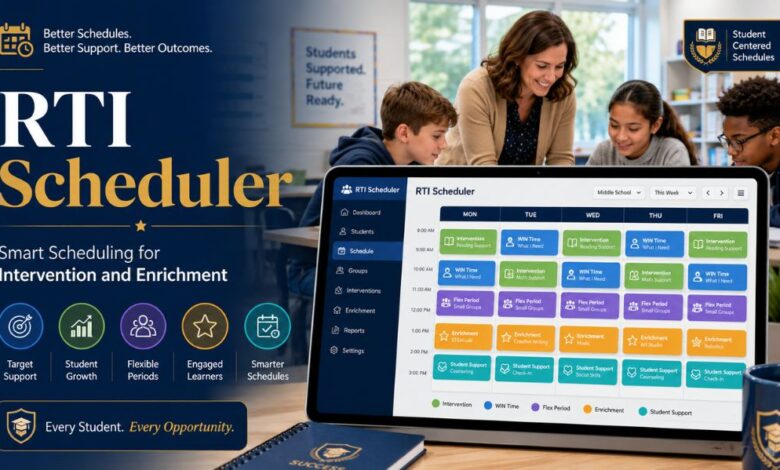
An RTI Scheduler is specialized educational software that helps K-12 schools plan, organize, and manage student schedules during intervention and enrichment periods. RTI stands for Response to Intervention, a structured educational approach used by schools to identify students who need academic, behavioral, or social-emotional support. Instead of waiting for students to fall far behind, schools use RTI systems to provide timely help based on student needs, progress data, and teacher recommendations.
In many schools, the time used for intervention is called WIN time, which means “What I Need.” Some schools call it a flex period, power hour, advisory block, intervention block, enrichment period, or student support time. No matter what the period is called, the goal remains the same: to give each student the right support at the right time. An RTI Scheduler makes this process easier by helping administrators and teachers place students into the correct sessions without confusion, paper lists, or manual schedule changes.
Why RTI Scheduler Matters in Modern K-12 Education
Schools today are expected to support a wide range of student needs. Some students need extra help in reading, writing, math, science, behavior, attendance, or study skills. Other students may already be performing well and need enrichment, advanced learning, project-based activities, or skill-building opportunities. A traditional school schedule often does not provide enough flexibility to meet all these needs.
This is where an RTI Scheduler becomes valuable. It allows schools to create flexible student schedules that can change from week to week or even day to day. Teachers can recommend students for specific intervention sessions, administrators can manage available rooms and staff, and students can be assigned to the most appropriate support group. The software helps schools move from a fixed schedule to a more responsive and student-centered system.
How an RTI Scheduler Works
An RTI Scheduler usually works by connecting student data, teacher input, session availability, and school scheduling rules. Teachers may identify students who need help in a specific skill area, such as multiplication, reading comprehension, essay writing, test preparation, or homework completion. The scheduler then helps place those students into available intervention sessions during the school’s dedicated support period.
The system may also allow teachers to create enrichment sessions for students who do not need immediate intervention. These sessions may include STEM activities, leadership development, college readiness, creative writing, music practice, career exploration, or independent study. By using a single platform, schools can ensure every student has somewhere meaningful to go during flex time.
Student Placement and Flexible Grouping
One of the strongest features of an RTI Scheduler is flexible grouping. Students are not locked into one group for the entire school year. Instead, they can be moved based on current needs, progress monitoring results, classroom performance, or teacher feedback. A student who needs math support in one month may later move into enrichment after improving. Another student may need short-term reading support before returning to a regular study session.
Flexible grouping helps schools avoid a one-size-fits-all approach. It also supports the main purpose of Response to Intervention: responding quickly when students show signs of academic difficulty.
Teacher and Administrator Control
An RTI Scheduler gives teachers and administrators better control over intervention planning. Teachers can request students, create sessions, set capacity limits, and track attendance. Administrators can oversee the entire schedule, balance class sizes, avoid conflicts, and ensure intervention time is used effectively. This reduces confusion, saves valuable staff time, and makes scheduling more efficient.
Without scheduling software, schools often rely on spreadsheets, printed passes, emails, or manual rosters. These methods can become messy, especially in middle and high schools, where hundreds or thousands of students may be moving between rooms during the same period. An RTI Scheduler creates a cleaner and more organized process.
Key Benefits of Using an RTI Scheduler
The biggest benefit of an RTI Scheduler is that it helps schools make intervention time purposeful and more effective. Instead of students randomly choosing where to go, schools can assign them based on real academic needs. This creates more targeted and meaningful student support.
Another important benefit is improved accountability. When student attendance is tracked during intervention periods, schools can see who is receiving support, who is missing sessions, and who needs follow-up. Teachers can also monitor whether the intervention is helping students improve over time. This data can support better decision-making for classroom instruction and school improvement planning.
RTI scheduling software also improves communication. Teachers, students, counselors, and administrators can all work from the same schedule. Everyone knows where students should be, which sessions are available, and what support is being provided. This reduces hallway confusion, missed intervention time, and last-minute scheduling problems.
RTI Scheduler and WIN Time
What Is WIN Time?
WIN time, or “What I Need” time, is a dedicated period in the school day when students receive support based on their individual needs. Some students may use WIN time for tutoring, remediation, test preparation, missing assignments, or small-group instruction. Others may use it for enrichment, career exploration, creative projects, or independent learning.
An RTI Scheduler is especially useful for WIN time because it helps schools match each student with the right activity. Instead of treating WIN time as free time or unstructured study hall, the scheduler turns it into a focused learning opportunity.
Making WIN Time More Effective
For WIN time to work well, schools need organization, clear expectations, and accurate student placement. An RTI Scheduler helps with all three. It allows staff to plan sessions in advance, assign students based on need, and track participation. When used properly, WIN time can become one of the most effective parts of the school day.
RTI Scheduler for Intervention and Enrichment
A common mistake is thinking that RTI scheduling is only for struggling students. In reality, a good RTI Scheduler supports both intervention and enrichment. Students who need extra help should receive targeted support, and students who are meeting standards should also be challenged. This balance helps schools serve the whole student population more effectively.
Enrichment sessions can improve student motivation and engagement. When students know they may have access to interesting learning opportunities, they are more likely to view flex periods as valuable. At the same time, intervention sessions give students the chance to close learning gaps before they become larger problems.
Features Schools Should Look for in an RTI Scheduler
A strong RTI Scheduler should be easy to use, flexible, and designed for school needs. It should allow staff to create sessions, manage student requests, set room limits, track attendance, and adjust schedules quickly. It should also support different types of intervention periods, including daily flex blocks, weekly WIN time, advisory periods, and rotating support schedules.
The best RTI scheduling tools are also clear for students. Students should be able to understand where they need to go and why they have been assigned there. Teachers should be able to see student lists without wasting time. Administrators should be able to review reports and identify patterns across grade levels, subjects, and intervention groups.
Challenges an RTI Scheduler Can Help Solve
Many schools struggle with intervention scheduling because student needs change frequently. A student may need reading support one week and math support the next. Teachers may need to request the same student, rooms may have limited capacity, and some students may try to avoid required support sessions. These challenges can make manual scheduling stressful and unreliable.
An RTI Scheduler helps solve these problems by creating a central system for managing student movement. It reduces double-booking, improves attendance tracking, and gives schools a better view of how intervention time is being used. While software does not replace strong teaching or leadership, it does make the process easier to manage.
How RTI Scheduler Supports Student Success
The main purpose of an RTI Scheduler is to support student success more effectively. When students receive help early, they have a better chance of improving before small gaps become major learning problems. When schools use data to guide intervention, students are more likely to receive the right kind of support. When enrichment is included, advanced and motivated students also benefit from meaningful learning opportunities.
RTI scheduling also helps create a culture of support. Students begin to understand that needing help is normal and that school provides time for growth. Teachers gain a clearer system for responding to student needs, and administrators can make better decisions about staffing, resources, and academic priorities.
Conclusion
An RTI Scheduler is more than a basic scheduling tool. It is a powerful school support system that helps K-12 educators organize intervention, enrichment, WIN time, flex periods, and student support sessions more accurately and efficiently. By making schedules flexible and data-informed, schools can respond to student needs more effectively and strengthen the delivery of support.
In modern education, every minute of the school day matters. A well-planned intervention period can help struggling students catch up, give successful students new challenges, and help teachers use their time wisely. With the right RTI Scheduler, schools can turn flexible scheduling into a meaningful strategy for academic growth, student engagement, and long-term success.
(FAQs)
What is an RTI Scheduler?
An RTI Scheduler is an educational software tool that helps schools organize student intervention and enrichment schedules during dedicated support periods such as WIN time, flex periods, or power hours.
What does RTI mean in schools?
RTI means Response to Intervention. It is a school support framework used to identify students who need extra help and provide targeted instruction based on their needs and progress.
Why do schools need an RTI Scheduler?
Schools need an RTI Scheduler to manage flexible student schedules, assign students to the right support sessions, track attendance, reduce confusion, and make intervention time more effective.
Is RTI Scheduler only for struggling students?
No, an RTI Scheduler can be used for both intervention and enrichment. It helps students who need academic support while also giving high-performing students access to advanced or engaging learning activities.
How does RTI Scheduler improve WIN time?
An RTI Scheduler improves WIN time by helping schools assign students to meaningful sessions, manage teacher availability, track attendance, and ensure every student uses the period productively.
Can RTI Scheduler be used in middle and high schools?
Yes, RTI Scheduler tools are especially useful in middle and high schools because they help manage large numbers of students who move to different intervention or enrichment sessions during the same period.
What are related keywords for RTI Scheduler?
Related keywords include Response to Intervention Scheduler, WIN time scheduler, flex period scheduler, school intervention software, K-12 scheduling tool, student support scheduling, enrichment scheduler, and intervention management system.