Presta Valve: The Essential Guide to This Powerful Bicycle Tire Valve
A clear, practical explanation of how Presta valves work, why cyclists use them, and how to inflate them correctly

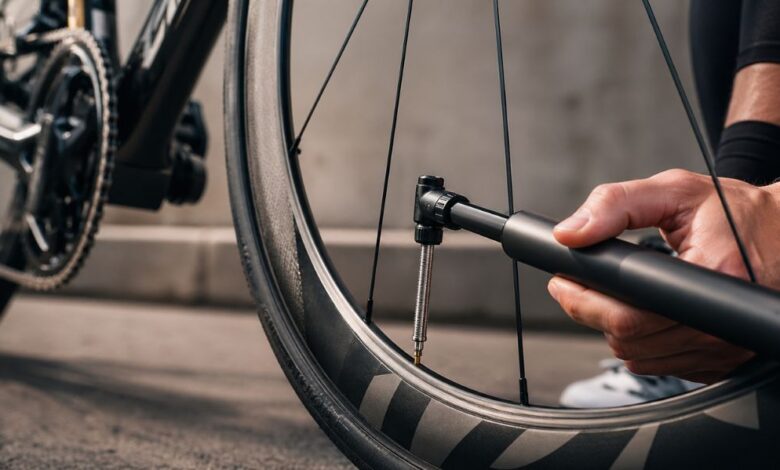
The Presta valve is common on road, gravel, and racing bikes, as well as on many modern tubeless wheels. Also called the French or Sclaverand valve, it is slim, lightweight, and handles higher tire pressures. For new cyclists, it can seem confusing at first because it is narrower than the Schrader valve found on car tires and basic bicycles. The Presta valve also has a small lock nut at the top that must be opened before air can enter or leave the tire.
Knowing how a Presta valve works is crucial for performance bike owners. Small mistakes like forgetting to unscrew the valve tip or using the wrong pump head can make inflation frustrating. When understood, the Presta valve is simple, efficient, and dependable.
What Is a Presta Valve?
A Presta valve is a thin metal valve used to inflate and deflate bicycle inner tubes and tubeless tires. It is usually found on high-pressure tires, especially those used on road bikes and lightweight performance bicycles. The valve has a narrow body, a threaded stem, and a small lock nut at the top that controls airflow.
Unlike a Schrader valve, which uses a spring-loaded internal pin, the Presta valve relies on air pressure and a manually tightened lock nut to keep the valve sealed. This design makes it suitable for high-pressure cycling applications where accurate inflation matters.
Presta valves are available in different lengths. Shorter valves are used on standard rims, while longer valves are needed for deep-section aerodynamic rims. Choosing the correct valve length is important because the pump needs an exposed valve stem long enough to attach securely.
Why Presta Valves Are Common on Road Bikes
Ever wonder why road bikes use Presta valves instead of Schrader valves? Road bikes need higher tire pressure, and Presta valves are built for it. Their slim shape means manufacturers can drill a smaller hole in the rim, keeping those narrow rims strong and light.
Another reason cyclists prefer Presta valves is precision. The valve allows controlled air release, helping riders adjust tire pressure more accurately. This matters for comfort, grip, rolling speed, and puncture resistance.
For riders using tubeless setups, Presta valves are also common because tubeless-ready rims are often designed around this valve type. Tubeless Presta valves usually include a removable valve core, making it easier to add sealant or clear blockages.
Presta Valve vs Schrader Valve
The most common comparison is between Presta valves and Schrader valves. Both are used to inflate tires, but they differ in size, design, and typical use.
A Schrader valve is wider and is the same type commonly used on car tires. It is simple, sturdy, and easy to inflate at gas stations. Many mountain bikes, children’s bikes, and hybrid bikes use Schrader valves.
A Presta valve is slimmer and more common on road, gravel, and performance bicycles. It requires loosening the small top nut before inflation. It may also require a pump head designed for Presta valves or an adapter.
The main advantage of the Presta valve is that it works well with high tire pressure and narrow rims. The main advantage of the Schrader valve is convenience and durability in everyday use.
How a Presta Valve Works
A Presta valve works through a simple mechanical seal. At the top of the valve is a small threaded tip with a tiny lock nut. When the lock nut is tightened, the valve stays closed. When the lock nut is loosened, air can enter or leave the tire.
To release air, you unscrew the top nut and press it gently. To add air, you unscrew the nut, attach a compatible pump, and inflate the tire. Once the tire reaches the correct pressure, you remove the pump and tighten the top nut again.
The valve cap does not seal the air inside the tire. The cap mainly protects the valve from dirt, dust, and damage. The real sealing function comes from the valve mechanism and the small lock nut.
How to Inflate a Presta Valve
Inflating a Presta valve is easy. Begin by removing the plastic valve cap, if present. Then unscrew the small top nut counterclockwise until it stops; do not remove it completely. The nut is usually captive, meaning it stays attached to the valve.
Once the top nut is open, press the tip briefly to ensure the valve is open. Attach your pump head securely—many pumps have adjustable heads for both Presta and Schrader valves.
Inflate the tire to the recommended pressure marked on the sidewall or provided by the manufacturer. Remove the pump carefully. Tighten the top nut by hand, then replace the valve cap if you use one.
Common Presta Valve Problems
Even though Presta valves are reliable, cyclists can still encounter a few common issues. One problem is bending the thin valve tip. This can happen if the pump is pulled off roughly or attached at an angle. A bent tip may still work, but it can become harder to inflate or seal properly.
Another problem is air leaking from the valve core. Some Presta valves have removable cores, especially tubeless valves. If the valve core becomes loose, air may slowly escape. Tightening the core with a valve core tool can often solve the problem.
Tubeless riders may also find that sealant clogs the valve. When this happens, air does not flow easily. Removing and cleaning the valve core can help restore normal airflow.
Presta Valve Adapters
A Presta valve adapter is a small metal piece that screws onto the top of a Presta valve, allowing it to be inflated with a Schrader-style pump. This can be useful if you need to use a gas station air pump or a basic pump that does not support Presta valves.
To use the adapter, first open the Presta valve nut. Then screw the adapter onto the valve. After that, inflate the tire using the Schrader pump. When finished, remove the adapter and tighten the Presta valve nut again.
Adapters are inexpensive and easy to carry in a saddle bag. Many cyclists keep one as a backup in case of emergencies.
Presta Valves and Tubeless Tires
Tubeless bicycle tires often use tubeless Presta valves. These valves are installed directly into the rim rather than attached to an inner tube. They usually have a rubber base that seals against the rim bed and a lock ring that holds the valve in place.
Tubeless Presta valves often include removable cores. This design makes it easier to inject tubeless sealant into the tire. It also helps when seating the tire, as removing the core allows air to flow into the tire more quickly.
For tubeless systems, the valve must be installed tightly enough to seal, but not so tightly that it damages the rubber base or rim tape. A poor valve seal can cause slow air loss, even when the tire itself is fine.
Choosing the Right Presta Valve Length
Valve length matters more than many beginners realize. Have you ever struggled to attach a pump, only to discover the valve is too short for the rim? If it’s too long, it may look awkward, but it will usually still work.
Standard shallow rims often work with shorter valve stems. Deeper aerodynamic rims need longer Presta valves. Cyclists using deep carbon wheels may need 60 mm, 80 mm, or even longer valves. Another option is to use valve extenders, which add extra length to the valve stem.
Before buying tubes or tubeless valves, check your rim depth and choose a valve length that gives enough exposed stem for your pump.
How to Maintain a Presta Valve
Good maintenance helps a Presta valve last longer. Always attach and remove the pump carefully to avoid bending the valve tip. Keep the valve clean, especially when riding in wet or dusty conditions. For tubeless setups, check the valve core occasionally because sealant can dry inside it.
Do not overtighten the lock nut. It only needs to be finger-tight. Over-tightening can damage the delicate threads or make the valve harder to open later. The same rule applies to tubeless valve lock rings. Tighten them enough to seal, but avoid using excessive force.
Why the Presta Valve Matters for Cyclists
Tiny but mighty, the Presta valve keeps you rolling faster and safer. Getting tire pressure right means more speed, comfort, grip, and puncture protection. Have a working valve? You’re set for confident rides.
Road cyclists, gravel riders, tubeless fans—if you’ve ever been frustrated by valves, mastering the Presta removes the hassle. Repairs become easier, and you prevent damage to tubes, rims, and valve cores.
Conclusion
The Presta valve is a slim, high-pressure bicycle valve designed for performance, precision, and compatibility with narrow rims. It may seem unfamiliar at first, especially to riders used to Schrader valves, but it is easy to use once you learn the basic steps. By opening the lock nut, attaching the correct pump, inflating carefully, and tightening the lock nut afterward, cyclists can keep their tires properly inflated and ready for the road.
Whether you ride a road bike, a gravel bike, or a tubeless setup, understanding the Presta valve is an essential part of bicycle maintenance.
(FAQs)
What is a Presta valve used for?
A Presta valve is used to inflate and deflate bicycle tires, especially on road and gravel bikes and on tubeless wheel setups.
Is a Presta valve better than a Schrader valve?
A Presta valve is better for high-pressure tires and narrow rims, while a Schrader valve is more common on cars, basic bikes, and some mountain bikes.
Why won’t my Presta valve inflate?
Your Presta valve may not inflate because the top nut is still closed, the pump head is not attached correctly, the valve core is clogged, or the pump is not compatible with Presta valves.
Do I need a special pump for a Presta valve?
You need a pump that supports Presta valves or a Presta-to-Schrader adapter. Many modern bicycle pumps work with both valve types.
Can a Presta valve be used for tubeless tires?
Yes, many tubeless bicycle tires use tubeless Presta valves. These valves are installed into the rim and often have removable cores for adding sealant.
Should I use the plastic cap on a Presta valve?
The plastic cap is optional. It does not hold air inside the tire, but it helps protect the valve from dirt and damage.