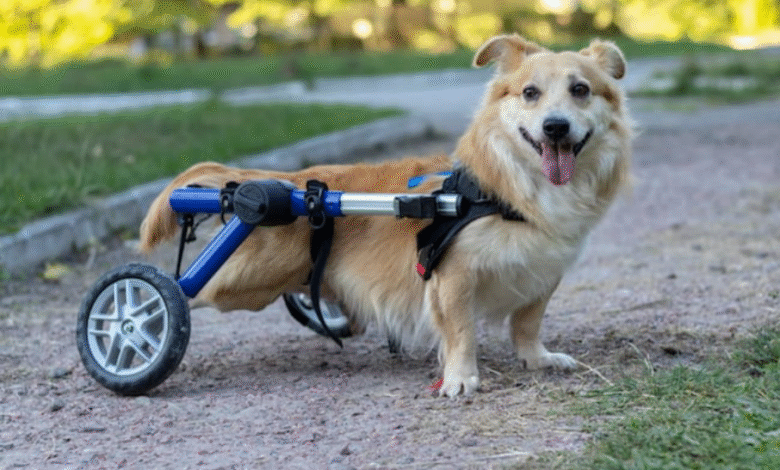
Dogs will occasionally experience paralysis; however, this symptom alone does not signify a specific disease. Paralysis is a sign that an animal’s nervous system, spine, muscles, or blood supply has been affected. Veterinarians investigate various factors that may be associated with paralysis including how the paralysis began. More specifically, whether the paralysis occurred immediately or developed gradually can be indicative of several varying types of potential issues and emergencies.
Sudden Onset Paralysis in Dogs
Dogs experiencing a sudden inability to move part of their body or rear legs should be evaluated by a veterinarian immediately. A rapid onset typically occurs within minutes to hours after the dog appeared to be healthy.
Intervertebral Disc Disease (IVDD) is a frequent reason for a dog losing motor function rapidly due to spinal discs slipping out or rupturing. When these discs rupture they place pressure on the spinal cord. Nerve impulses cannot pass through the compressed area resulting in no sensation or loss of motor function below the level of the damaged disc. A veterinary neurologist can confirm the diagnosis through imaging and recommend the appropriate treatment plan.
Spinal trauma caused by injuries sustained during falls or other accidents can also result in immediate loss of motor function by damaging the spinal cord. Fibrocartilaginous Embolism (FCE) is another cause of rapid paralysis. FCE occurs when there is a blockage of blood flow to the spinal column. Rapidly, the areas supplied by the blocked vessels begin to weaken, and the individual loses motor function.
The majority of the time dogs do not display many warning signs prior to a rapid loss of motor function. Collapsing, dragging their legs, showing pain upon walking, etc., can all be indicators that your dog is paralyzed. Many times dogs lose control of their bladders almost immediately after being paralyzed. Since damage to nerves can occur rapidly and remain permanent, this situation is considered urgent.
Gradual Onset Paralysis in Dogs
Paralysis that develops gradually takes place over the course of days or months. Initial signs may include minor weakness, stiffness or difficulties with standing. Dragging of the legs, lessened activity, unsteadiness (loss of balance), and many others could develop as initial signs of paralysis and continue to get worse.
Degenerative Myelopathy is a primary example of progressive spinal cord disease in older dogs that leads to paralysis. Degenerative Myelopathy progresses at a slow rate causing eventual death. Spinal Tumors growing on the spinal cord that impede nerve function also contribute to progressive paralysis. IVDD may also result in gradual development of paralysis since disc material continues to increase pressure against the spinal cord. Other metabolic disorders, infections and electrolyte imbalances may also cause progressive muscle weakness that mimics paralysis.
Since the progression from weakness to paralysis may take weeks or months to years, the owner may recognize symptoms developing gradually rather than suddenly like in cases of acute paralysis.
Importance of Pattern
The ability to determine whether paralysis was sudden or gradual aids in determining how urgently your dog requires medical care as well as what the most probable diagnosis is. Acute paralysis generally results from compression, trauma, vascular events requiring prompt treatment to avoid long term disability. Chronic progressive paralysis generally represents a chronic disease process and although the need for evaluation remains, there may be time for additional diagnosis.
Regardless of the duration of weakness, motor dysfunction, failure to treat the root cause of the condition will result in continuing deterioration of neural function until eventually the dog will have lost all motor function particularly if the spinal cord is involved.
Possible Observations Made by Pet Owners
Some symptoms that occur concurrently with paralysis include positional changes, dragging of limbs, difficulty standing, decreased coordination, and some degree of pain. There may also be loss of urinary, bladder, and bowel control in addition to possible loss of motor function, indicating greater severity of nerve involvement.
It would be helpful for you to document whether or not symptoms were symmetric (same on each side of body) or asymmetric (one side of body). Documenting such information may aid in distinguishing between brain related vs spinal cord related paralysis.
Conclusion
Whether sudden or gradual, paralysis in dogs indicates an ongoing issue with an underlying neurological or systemic problem. Determination of whether symptoms began acutely or chronically provides vital clues into possible causative agents and urgency. Generally speaking, acute cases of paralysis tend to be due to traumatic disc rupture, whereas gradual cases tend to be due to degenerative diseases. Early identification of changing posture, mobility and coordination may significantly enhance our knowledge regarding the extent of the condition and potential prevention of continued decline.