Niqab Niqab: Meaning, Purpose, and Cultural Significance
A closer look at the face veil, modest fashion, faith, and modern conversations around identity

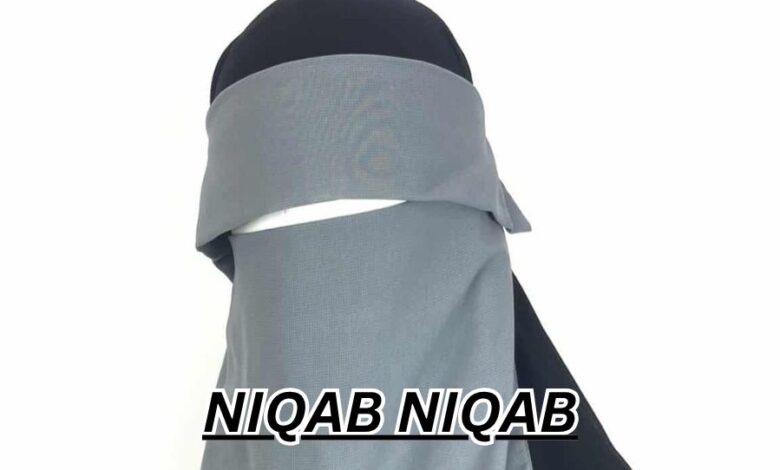
The niqab is one of the most discussed and misunderstood forms of Islamic dress. Worn as a face veil by some Muslim women, it covers the face while keeping the eyes visible. More than a garment, the niqab is a symbol deeply connected to faith, modesty, identity, privacy, dignity, and personal conviction. Its presence in public debate highlights central themes of women’s rights, religion, culture, and freedom of expression, making understanding its true purpose essential.
Understanding the niqab goes beyond surface-level description. It must be seen through religious, social, historical, and personal lenses. Around the world, women wear the niqab for varied reasons. Some choose it for devotion; others see it as part of modest clothing and Islamic values. Public debate often reduces the niqab to stereotypes, underscoring the importance of accurate discussion.
This article examines the meaning, origins, and cultural role of the niqab, focusing on why some women choose to wear it and how it relates to faith, dignity, and identity in modern society. It also clarifies distinctions from other forms of Islamic dress, reinforcing the importance of understanding the niqab in contemporary conversations about personal choice and autonomy.
What Is a Niqab?
The niqab is a face veil worn by some Muslim women. It covers the nose, mouth, and cheeks, leaving the eyes visible, and is usually worn with loose clothing, such as an abaya or jilbab, for modesty.
In everyday discussion, the niqab is sometimes confused with the hijab, but they are not the same. The hijab generally refers to a headscarf that covers the hair, neck, and sometimes shoulders, while leaving the face fully visible. The niqab, by contrast, adds a face covering to a more complete form of modest dress.
The niqab appears in various styles. Some are simple black veils; others use layered or lightweight fabrics for different climates. Although black is common, other colors can reflect cultural traditions or personal preference.
The Religious Meaning Behind the Niqab
For many Muslim women, the niqab reflects their understanding of Islamic modesty—a key principle for both men and women that encompasses behavior, speech, and dress. They believe it helps them practice modesty in a visible way.
Muslim scholars and communities disagree on the niqab. Some view it as recommended, while others view it as a personal choice. Despite this, women who wear it often see it as an act of worship and commitment.
Faith and Personal Intention
Choosing to wear the niqab is often a personal decision. Many women find that it brings them closer to God and helps them focus on character over appearance. For them, it reflects humility, respect, and self-discipline.
Historical and Cultural Background
The practice of face veiling did not begin in a single place or at a single time. Variations of face covering existed in different societies long before the modern age. In Muslim communities, the niqab developed over time within regional customs, scholarly interpretations, and social traditions.
In some regions, the niqab became linked with traditional Islamic life; elsewhere, it remained rare. Even within countries, attitudes differ by culture, education, family, and social environment.
More Than Culture Alone
Culture shapes niqab practices, but many women stress that it is not just a cultural symbol. They say it has spiritual value beyond tradition. This is important as discussions often wrongly assume women wear it only under pressure, ignoring their thoughtful choices.
Niqab, Hijab, and Burqa: Understanding the Difference
One common confusion is between the niqab, hijab, and burqa. These terms are often interchanged but refer to different garments.
The hijab usually refers to a head covering that leaves the face uncovered. The niqab covers the face but leaves the eyes visible. The burqa generally covers the entire face and body, often with a mesh screen over the eyes. These distinctions matter because they shape how Muslim women are perceived and discussed in both media and society.
Why Correct Terms Matter
Using the right term shows respect and improves understanding. When all forms of Muslim women’s clothing are treated as the same, important differences disappear. Clear language helps avoid misinformation and allows for a more balanced discussion about Muslim women’s clothing, religious identity, and personal choice.
Why Some Women Choose to Wear the Niqab
Women wear the niqab for varied reasons: religious commitment, personal faith, peace, confidence, or a sense of control over their public image.
Others describe it as liberating because it shifts attention away from physical appearance. In a world where women are often judged by looks, fashion, or beauty standards, the niqab can be seen as a rejection of that pressure. It may allow the wearer to define herself through her beliefs, words, and actions rather than solely through appearance.
Choice and Misconceptions
A common misconception is that all niqab-wearing women are forced. Coercion can exist, but it’s unfair to assume a lack of agency. Many say the niqab was their choice, and listening to these voices is essential.
The Niqab in Modern Society
In modern society, the niqab often sits at the center of debates about religion, secularism, women’s rights, and public identity. In some places, it is accepted as part of religious diversity. In others, it is treated with suspicion or subjected to legal restrictions. This tension has made the niqab more than a garment. It has become a symbol in larger social and political arguments.
For women who wear it, daily life is often normal: they study, work, raise families, and contribute to society. The niqab may affect how others react, but it does not diminish their individuality or humanity.
Conclusion
The niqab is a meaningful form of Islamic dress for many Muslim women, embodying modesty, faith, identity, and personal devotion. Yet, it remains surrounded by misunderstanding. A meaningful understanding of the niqab demands clear, respectful discussion that listens to the real experiences and intentions of the women who wear it, challenging stereotypes through accurate representation.
In the end, the niqab is not just about a cloth covering the face. It is about identity, belief, and the right to make personal choices. Whether viewed through a religious, cultural, or social lens, the niqab remains an important topic in discussions of modern faith, modest fashion, and women’s autonomy.
FAQ
What does niqab mean?
Niqab refers to a face veil worn by some Muslim women that covers the face while leaving the eyes visible.
Is a niqab the same as a hijab?
No. The hijab covers hair and neck, leaving the face open. The niqab covers the face.
Why do some Muslim women wear a niqab?
Some wear it for faith, modesty, privacy, or personal conviction.
Is wearing a niqab compulsory in Islam?
Scholars hold different views. Some recommend it, while others see it as optional.
What is the difference between a niqab and a burqa?
The niqab covers the lower face but leaves the eyes visible. The burqa covers the entire face and body, with only a mesh screen for the eyes. These distinctions help identify each garment correctly.