Equipment decisions shape business trajectories for contractors navigating the transition from startup to established operation. Full-size excavators deliver impressive productivity but demand capital investments that strain budgets and require dedicated transport logistics. At the opposite extreme, manual excavation limits project scope to jobs where labor costs remain competitive. Mini excavators occupy the strategic middle ground, offering mechanical digging power scaled to match the budgets and project types that define small contractor success. These compact machines maneuver through residential gates, operate in finished yards without destroying landscaping, and fit on trailers towable by standard pickup trucks. The accessibility transforms which projects become profitable, allowing contractors to bid confidently on work that competitors either cannot access or must price uncompetitively using manual methods. Understanding where mini excavators excel and recognizing their limitations separates contractors who leverage this equipment effectively from those disappointed by unrealistic expectations.
Size Classifications and Their Implications
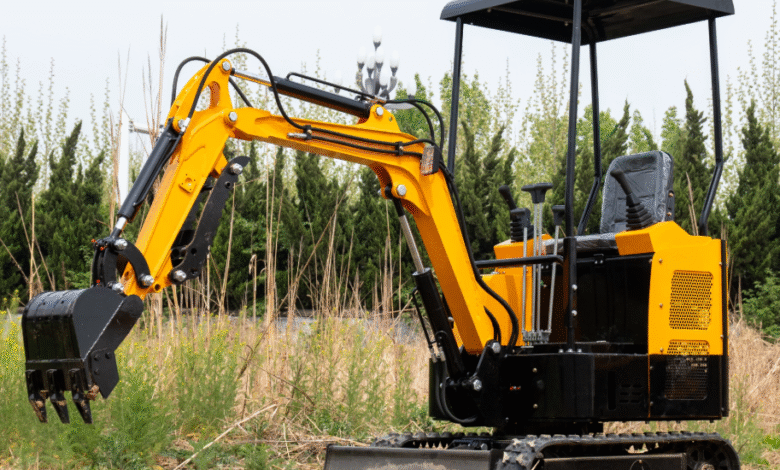
Mini excavators span a wide range, with weights from one to ten tons defining distinct capability tiers. Micro machines under two tons fit through thirty-inch openings and operate on surfaces like lawns or interior floors where heavier equipment would cause damage. These smallest models sacrifice reach and digging force, handling utility trenches and light landscaping but struggling with heavily compacted soil or substantial excavation volumes. Mid-range machines between three and six tons represent the sweet spot for general contracting, balancing accessibility with genuine productivity on residential foundations, pool installations, and drainage projects.
Operating weight directly correlates with stability when lifting and digging. A mini excavator weighing three thousand pounds generates less counterbalance than eight thousand-pound models, limiting how far operators can extend the boom with heavy buckets before tipping forward. Manufacturers publish load charts specifying safe working ranges, but operators must understand these limits intuitively rather than consulting diagrams during active work. Machines approaching their tipping point feel light at the controls, with sudden movements causing the chassis to rock. Experienced operators recognize this feedback and adjust accordingly, while inexperienced crews create dangerous situations by pushing beyond stability margins.
Reach and Depth Capabilities
Maximum dig depth determines whether machines handle typical residential projects or require supplemental equipment for deeper excavations. Most mini excavators reach between eight and twelve feet below ground level, adequate for footings, utilities, and pool shells. Attempting to exceed design depth causes the boom to bottom out against the chassis, preventing proper bucket angles and reducing digging efficiency dramatically. Operators sometimes compensate by positioning the machine in the excavation, but this approach introduces safety risks if trench walls collapse or if extraction becomes difficult due to soft ground.
Power Systems and Fuel Economics
Diesel engines dominate mini excavators due to their torque characteristics and fuel efficiency. Displacements between fifteen and fifty horsepower provide adequate power for hydraulic systems while consuming two to four gallons per eight-hour shift. This modest fuel consumption keeps operating costs manageable compared to larger machines burning ten gallons daily. Tier 4 emission standards increased initial purchase prices as manufacturers added diesel particulate filters and selective catalytic reduction systems, but these technologies improved fuel economy enough to offset some cost increase through operational savings. Contractors operating in municipalities with strict emission regulations benefit from compliant engines that avoid fines or project restrictions.
Electric mini excavators entered the market recently, offering zero-emission operation essential for indoor work or environmentally sensitive sites. Lithium-ion battery packs provide four to eight hours of runtime depending on work intensity, with quick charging systems reducing downtime during lunch breaks or between shifts. The absence of engine noise transforms work environments, allowing operation in residential areas during extended hours without disturbing occupants. MMS INDUSTRIAL recognized this trend early, developing electric models that match diesel counterparts in performance while eliminating emissions and reducing maintenance requirements.
Track Configurations for Varied Terrain
Rubber tracks balance traction with surface protection, making them standard on mini excavators working residential and commercial sites. Track width influences ground pressure and stability, with wider tracks distributing weight across larger areas but reducing maneuverability in tight spaces. Contractors working primarily on finished properties prioritize narrow tracks that minimize turf damage, while those encountering soft ground or slopes need wider configurations for flotation and stability. Steel tracks offer superior durability on rocky ground or demolition sites where debris punctures rubber, though at the cost of surface damage that limits where operators can work.
Zero tail swing designs position the counterweight within the track width, allowing the excavator to rotate without the tail extending beyond the tracks. This feature proves invaluable when digging along fences, buildings, or parked vehicles where clearance matters. Conventional tail swing machines require buffer space behind the operator, restricting where trenching can occur without relocating obstacles. The productivity advantage of zero tail swing becomes obvious after experiencing how conventional machines force repositioning whenever obstacles interfere with rotation. Most contractors prioritize this feature once they understand its impact on real projects.
Blade Functions and Grading Capability
Front-mounted dozer blades assist with backfilling, finish grading, and stabilizing the machine during digging. Blade width typically matches track width, providing effective surface for pushing material without extending beyond the excavator’s footprint. Hydraulic angle adjustment lets operators create drainage slopes or push material to either side, though angle ranges limit steep contouring. Some contractors use the blade as a stabilizer when working on slopes, pressing it into the ground to prevent downhill sliding. This technique works but should not replace proper positioning and awareness of stability limits.
Attachment Versatility Beyond Buckets
Standard digging buckets handle most excavation, but specialized buckets expand capabilities significantly. Grading buckets with wider profiles and reduced depth move material efficiently when contouring landscapes or spreading fill. Tilt-rotator couplers enable bucket rotation and angling without repositioning the machine, dramatically improving precision when grading or working in confined areas. These couplers add cost and complexity but deliver productivity gains that justify investment for contractors performing detailed landscape work or utility installations requiring precise trenches.
Hydraulic thumbs function as opposing grips that hold irregularly shaped objects securely. Demolition debris, boulders, tree stumps, and pipe sections all become manageable when the thumb clamps material against the bucket. Fixed thumbs require manual repositioning but cost less, while hydraulic versions operate from the cab with full control over grip pressure. Contractors handling significant amounts of irregular material find thumbs essential, often generating enough productivity gain to recover the attachment cost within months through reduced manual labor.
Breakers and Compactors
Hydraulic breakers fracture concrete, asphalt, and rock using high-frequency impacts delivered through hardened tool steel. Mini excavator breakers produce less force than those on full-size machines but still outperform hand-held jackhammers in both speed and operator comfort. Matching breaker size to excavator weight prevents excessive vibration that damages the machine, and manufacturers specify compatible ranges clearly. Oversize breakers cause premature wear on boom joints and hydraulic components, negating any productivity advantage. Plate compactors attach to the excavator’s quick coupler, tamping soil or gravel using vibration and the machine’s weight, useful for backfilling trenches where manual compaction proves time-consuming.
Operator Efficiency and Learning Curves
Modern controls use pilot-operated joysticks that translate small hand movements into proportional machine responses. This design allows precise digging and grading as operators develop feel for how input affects bucket position. Pattern control systems let contractors choose between ISO and SAE control layouts, accommodating operators trained on different standards. New operators require several days to develop smooth coordination between boom, stick, and bucket movements, with efficiency improving over weeks as muscle memory develops. Rushing this learning process leads to jerky operation that fatigues operators and reduces precision.
Visibility limitations require operators to rely on mirrors, cameras, and awareness rather than direct vision alone. The boom and attachment obstruct sightlines depending on their position, creating blind spots where workers or obstacles disappear from view. Experienced operators develop habits of constantly scanning their surroundings and using machine sounds as feedback about digging conditions. The scraping sound of a bucket hitting rock differs from the muffled resistance of clay, providing information that helps operators adjust technique without visual confirmation of subsurface conditions.
Maintenance Practices That Prevent Downtime
Daily greasing of pivot points prevents accelerated wear on pins and bushings subjected to constant movement and heavy loads. Mini excavators typically have eight to fifteen grease points requiring attention before each shift. Skipping this maintenance allows dirt intrusion and metal-on-metal contact that wears components rapidly. Replacing worn pins and bushings costs thousands in parts and labor, far exceeding the minimal time investment that daily greasing requires. Establishing routine maintenance habits early prevents expensive repairs that sideline machines during critical project phases.
Track tension significantly affects performance and component life. Loose tracks reduce traction and allow the drive sprocket to skip, while overtightened tracks strain drive motors and wear components prematurely. Proper tension shows about three to four inches of sag at the track’s midpoint when measuring from the lowest roller to the track. Adjusting tension involves adding or removing grease from tension cylinders, a straightforward process that operators should verify weekly. Track wear occurs gradually, making regular inspection essential to catch problems before complete failure requires emergency replacements that halt projects.
Hydraulic System Care
Clean hydraulic oil determines system longevity, as contamination causes wear in pumps, valves, and cylinders. Oil samples analyzed at regular intervals reveal contamination levels and wear metals that indicate developing problems. Addressing contamination early through fluid changes and filter replacement prevents cascading failures where one damaged component introduces metal particles that destroy others. Operating temperatures also matter, as overheated oil loses viscosity and protective qualities. Keeping cooling fins clean and ensuring adequate airflow prevents temperature-related degradation that shortens fluid life and harms seals throughout the system.
Project Economics and Investment Returns
Purchase prices ranging from twenty-five thousand to seventy thousand dollars position mini excavators as significant but achievable investments for established contractors. Financing options spread costs across equipment’s productive life, though interest adds to total ownership expense. Rental-to-own programs let contractors test equipment extensively before committing, valuable when uncertain about utilization rates or model selection. Used equipment markets offer substantial savings, though buyers must evaluate wear carefully and account for potential repairs that erode initial discounts.
Productivity gains determine whether investments pay off or burden businesses with underutilized assets. A crew completing a foundation excavation in one day using a mini excavator versus three days manually demonstrates clear value. Projects that previously required declining or subcontracting become profitable when equipment allows competitive pricing. The ability to bid on previously inaccessible work often drives purchase decisions more than replacing existing methods. Contractors should calculate breakeven points based on realistic project volumes rather than optimistic projections that ignore seasonal variations or economic downturns affecting construction demand.
Scaling Capability Strategically
Mini excavators deliver digging productivity at scales matching small contractor project portfolios and budgets. These machines open opportunities in residential and light commercial work where access constraints or budget limitations make full-size equipment impractical. Success requires matching machine specifications to actual project requirements rather than buying undersized equipment that frustrates operators or oversized machines that never justify their cost. Proper operator training and consistent maintenance protect investments while ensuring reliable performance when project deadlines depend on equipment availability. Contractors who master mini excavator operation find themselves winning bids competitors cannot match, building reputations for completing challenging projects efficiently. The strategic advantage lies not in raw productivity but in delivering mechanical capability where others resort to manual methods or decline projects entirely.