Some days, tiredness does not feel like normal tiredness.
It feels heavier. Like your brain has too many tabs open, your shoulders are carrying your inbox, and your body is still trying to catch up with the meeting that ended three hours ago. You drink water, answer messages, scroll for a break, then somehow feel even more drained.
That is where functional beverage supplements have slipped into the daily routine for many women. Not as a magic fix. Not as a cure for stress. More like a small, steady ritual that says, “Okay, let’s give the body something useful.”
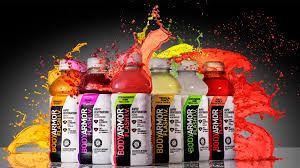
Powders, hydration packets, collagen drinks, magnesium blends, electrolyte mixes, greens powders, adaptogenic lattes, and vitamin-rich drink sticks are now sitting next to laptops, gym bags, bedside tables, and office mugs. They promise energy, skin support, calm, focus, digestion help, and better hydration. Sometimes all in one scoop.
But here’s the thing. Fatigue and digital burnout are not always solved by a pretty drink in a glass bottle. Functional beverages can support self-care, but they cannot replace sleep, boundaries, medical advice, therapy, or real rest. And when exhaustion starts to affect your mood, work, relationships, or sense of control, it deserves more than another supplement order.
The Rise of the “Sip and Survive” Self-Care Habit
Functional beverages have become popular because they fit modern life. They are quick. They are portable. They feel healthier than other coffees. And for women juggling work, caregiving, social pressure, hormonal changes, and nonstop screen time, convenience matters.
A drink mix is easy. No complicated routine. No giant checklist. Just add water.
For busy women, that matters more than people admit. A full wellness reset sounds lovely, but what if you have ten minutes between calls? What if lunch became a protein bar and half a cold coffee? What if your brain is fried by 2 p.m., but your calendar still expects you to be sharp?
This is why functional drinks feel appealing. They turn self-care into something small and repeatable. Hydration becomes more interesting. Vitamins become easier to remember. A magnesium drink at night feels like a signal to slow down. A collagen blend in the morning feels like a tiny investment in skin, joints, and routine.
Honestly, there is comfort in that.
Still, the “sip and survive” trend has a tricky side. It can make burnout look like a hydration problem. Sometimes it is. Often, it is not.
What Are Functional Beverage Supplements, Really?
Functional beverage supplements are drinks or drink mixes made with ingredients that claim to support a specific health goal. They go beyond plain water, tea, or juice. They are designed to “do something,” even if the effect varies by person.
Common types include:
- Electrolyte powders for hydration
- Collagen drinks for skin, hair, nails, and joints
- Green powders for plant nutrients
- Protein drinks for energy and muscle support
- Magnesium drinks for relaxation and sleep support
- Adaptogen blends with ingredients like ashwagandha or reishi
- Vitamin drinks with B vitamins, vitamin C, zinc, or iron
- Beauty drinks with hyaluronic acid, biotin, or antioxidants
Some are useful. Some are overhyped. Some are fine but unnecessary. And some are not right for everyone, especially if you take medication, are pregnant, have thyroid issues, have kidney problems, or deal with anxiety that reacts badly to stimulants.
So yes, read the label. Ask questions. Talk to a healthcare professional when needed. A drink can look soft and harmless, but it still affects the body.
Why Women Are Reaching for Drinkable Energy
Fatigue in women often gets brushed off. “You’re just busy.” “You need a vacation.” “Maybe you’re stressed.” Sometimes those things are true. But fatigue can also be linked to low iron, poor sleep, thyroid changes, hormone shifts, perimenopause, depression, anxiety, chronic stress, long work hours, dehydration, or not eating enough during the day.
Digital burnout adds another layer.
You are not only tired from doing work. You are tired of switching between screens, apps, messages, passwords, notifications, and invisible decisions. Slack pings. Email threads. Video calls. Online errands. Social media noise. News alerts. Even rest becomes screen-based.
Your nervous system does not always know the difference between a real emergency and a red notification bubble. It just feels the demand.
Functional drinks appeal because they offer a quick sense of control. Mix. Shake. Sip. Reset.
That small ritual can be helpful. It gives structure to the day. It reminds you to drink water. It can replace a third coffee. It can support nutrition when your schedule is messy.
But let’s be clear. If you are constantly exhausted, snapping at people, crying after work, losing interest in things, or relying on substances to get through the week, that is not just “needing better hydration.” It is a sign to seek deeper support. Some people benefit from professional help through a recovery center for addiction when stress, drinking, medication misuse, or other coping habits become hard to manage alone.
That is not a failure. That is care.
The Beauty-Energy-Stress Triangle
Many functional beverages are marketed around three big promises: glow, energy, and calm.
That makes sense. These are common pain points for women. You want to look alive on camera. You want enough energy to finish the day. You want your mind to stop buzzing at bedtime.
Beauty Support in a Bottle
Beauty drinks often include collagen peptides, vitamin C, hyaluronic acid, biotin, silica, or antioxidants. These ingredients are linked to skin structure, hydration, and hair or nail support. But they work best when the basics are already in place.
Skin reflects sleep, stress, diet, hydration, hormones, sun exposure, and genetics. A collagen drink cannot undo chronic stress, three hours of sleep, and a lunch made of crackers. It can be part of a routine, but it is not the whole routine.
Think of it like skincare. A good serum helps, but you still need sunscreen. Same idea.
Energy Without the Coffee Crash
Energy drinks are changing too. Many women are moving away from high-sugar cans and toward cleaner-looking drink powders with B vitamins, green tea, matcha, ginseng, or natural caffeine.
That sounds better, and sometimes it is. But caffeine is still caffeine. If your hands shake after a “focus blend,” or your anxiety spikes after a sparkling energy drink, your body is giving you feedback. Listen to it.
Energy support also comes from protein, iron, hydration, balanced meals, daylight, movement, and sleep. Not glamorous, sure. But real.
Calm That Does Not Feel Like Forced Relaxation
Magnesium drinks, L-theanine blends, tart cherry powders, and adaptogen beverages are popular because they speak to a very modern problem: being tired but wired.
You want rest, but your brain keeps checking invisible boxes. Did I reply? Did I miss something? Is tomorrow packed? Why am I thinking about a message from Tuesday?
A calming drink can become a bedtime cue. It tells your body, “We are leaving work now.” That matters when work happens from the same couch where you watch TV and answer family texts.
But if calm feels impossible most nights, or if panic, sadness, or substance use has entered the picture, a supplement is too small for the job. Support from professionals in mental health and addiction treatment can help when stress becomes more than a lifestyle issue.
Workplace Self-Care Is Getting Drinkable
Workplace wellness used to mean step challenges, fruit bowls, and maybe a yoga class nobody had time to attend. Now it is getting more personal. More flexible. More “What can I do between meetings?”
Functional beverages fit right into that shift.
In offices and remote setups, women are using drinkable supplements as part of their workday rhythm. A hydration packet before morning calls. Protein coffee after school drop-off. Greens powder before a commute. Magnesium after laptop shutdown.
It is practical. It is also symbolic.
These drinks become tiny boundaries. They create pauses in a day that keeps asking for more. Even the act of walking to the kitchen, filling a glass, and stirring a powder can break the screen trance.
You know what? Sometimes that pause matters as much as the ingredients.
There is a workplace lesson here, too. Companies should not treat self-care products as a substitute for fair workloads, reasonable deadlines, flexible schedules, and human management. A wellness fridge cannot fix a toxic team culture. A free electrolyte packet does not solve burnout caused by understaffing.
That contradiction matters. Functional drinks can support women at work, but employers still need to fix the work.
The Label Matters More Than the Hype
The functional beverage shelf can feel like a mini science fair. So many claims. So many pastel tubs. So many words that sound impressive.
To choose wisely, keep it simple.
Look at the ingredient list first. Is there a clear purpose? Does the product show the amount of each active ingredient? Does it have added sugar, caffeine, herbs, or artificial sweeteners that affect you? Is it third-party tested? Does it warn about pregnancy, medication, or medical conditions?
Pay attention to these common concerns:
- Too much caffeine can worsen anxiety and sleep
- Too much magnesium can upset digestion
- Some herbs interact with medication
- High doses of vitamins can be risky over time
- “Natural” does not always mean safe
- Beauty claims can be exaggerated
- Electrolytes are useful, but not everyone needs high sodium daily
Also, check how you feel after using it. Not how the label says you should feel. How you actually feel.
Do you sleep better? Do you feel less foggy? Does your stomach feel okay? Are you using it to support your body, or are you using it to push through exhaustion you should not be ignoring?
That last question is uncomfortable. It is also useful.
When Fatigue Is Really Burnout Wearing a Wellness Mask
Burnout has a way of sneaking into normal life. It does not always announce itself with a dramatic breakdown. Sometimes it looks like losing patience. Forgetting small things. Feeling numb after work. Needing more caffeine to do less. Avoiding messages. Feeling guilty while resting.
For women, burnout often hides behind competence. You still show up. You still answer emails. You still take care of people. You still look “fine.”
But fine is not the same as well.
Functional beverages can help with small gaps. They can support hydration, nutrients, and daily rhythm. They can make you feel cared for when the day feels sharp around the edges. But they should not become a mask for deeper strain.
If fatigue lasts for weeks, gets worse, or comes with low mood, panic, hopelessness, sleep problems, heavy drinking, medication misuse, or feeling detached from life, it is time to seek help. A doctor can check physical causes. A therapist can help you process stress. Outpatient mental health care can offer support while you keep your daily responsibilities.
And yes, this can sit alongside your wellness routine. Therapy and supplements are not enemies. One handles the deeper work. The other may support the daily body stuff.
A Smarter Daily Ritual for Women Who Are Running on Empty
So what does a balanced approach look like?
It starts with honesty. Not the dramatic kind. Just a quiet check-in.
Am I tired because I skipped lunch? Because I slept badly? Because I have been staring at a screen for nine hours? Because work is too much? Because something emotional is going on?
Once you know the likely cause, the drink becomes a tool, not a cover-up.
A smarter routine might look like this: water first, then food, then movement, then supplements if they make sense. A hydration drink after a workout. A protein drink when breakfast is rushed. A magnesium drink as part of a no-email bedtime routine. A collagen drink if you enjoy it and it fits your budget.
Keep it boring enough to repeat. That is the secret most wellness content forgets. Your body does not need a dramatic reset every Monday. It needs care that survives a busy Tuesday.
And please, do not let wellness become another job. Women already carry enough invisible admin. You do not need a perfect morning ritual, a perfect bottle, or a perfect supplement stack. You need support that fits your real life.
The Future of Functional Beverages Is Personal, But It Should Stay Grounded
The next wave of functional beverage supplements will likely get more targeted. More hormone-aware formulas. More sleep-support drinks. More beauty-from-within blends. More nootropic powders for focus. More gut-brain products that connect digestion, mood, and energy. More workplace wellness programs that include drinkable supplements next to mental health resources.
That future sounds useful, as long as it stays honest.
Women do not need another trend that tells them to fix themselves so they can tolerate impossible pressure. They need better care, better work systems, better sleep, better access to support, and yes, sometimes better hydration too.
Functional beverages are not silly. They are not everything either.
They sit somewhere in the middle: a practical daily habit with real appeal, real limits, and real potential when used wisely. A scoop of powder will not cure burnout. But a small ritual can remind you that your body is not a machine, your energy is not endless, and your health deserves attention before you hit the wall.
So sip the drink if it helps. Read the label. Eat something with protein. Step away from the screen. Ask for help when tiredness turns into something heavier.
That is not overreacting.
That is self-care with both feet on the ground.