Each public hydration system has varying users and conditions, and must be carefully planned. Every building, such as schools, healthcare centres, offices, parks and transport terminals, has unique features for safety and reliability. However, equipment selection is also dependent on the climate, maintenance resources, water quality, and anticipated traffic. A structured comparison helps buyers make sure they don’t make expensive mistakes and enhances long-term performance. This guide provides details on the most appropriate fountain styles for each facility. It helps to make informed fountain purchases throughout Europe, North America, ASEAN, the EU and the Middle East.
Why Facility Type Should Drive Product Selection
Each facility will have its own hydration needs, as the use of hydration varies widely from place to place. There is a high level of daily use by children in a school during planned school breaks. The number of visitors at public parks and the weather conditions outside the buildings vary from one season to another. Office buildings are built based on the convenience of the employees and the modern concept of hygiene. Water quality consistency and high levels of cleanliness are critical in hospitals. Transportation facilities must be designed for continuous public use with a minimum disruption for maintenance. For example, religious institutions may need to be hygienically run without the use of hands. According to the actual working environment, select equipment, prolong the service life of the product, and reduce the maintenance cost. This is a practical approach that improves users’ satisfaction and helps to increase access to safe drinking water.
Key Factors That Influence Purchasing Decisions
Several technical and operational factors determine the most suitable hydration solution for any project.
- Daily user volume and peak traffic periods.
- Local water quality and filtration requirements.
- Indoor or outdoor installation environment.
- Climate exposure, including freezing temperatures.
- Maintenance capability and servicing schedules.
- Accessibility standards, including ADA compliance.
- Resistance against vandalism and accidental damage.
- Budget for installation and long-term operation.
Each factor affects durability, user experience, and overall lifecycle cost. Balanced evaluation supports better procurement decisions across commercial and public projects.
Facility Selection Matrix for the Best Hydration Solution
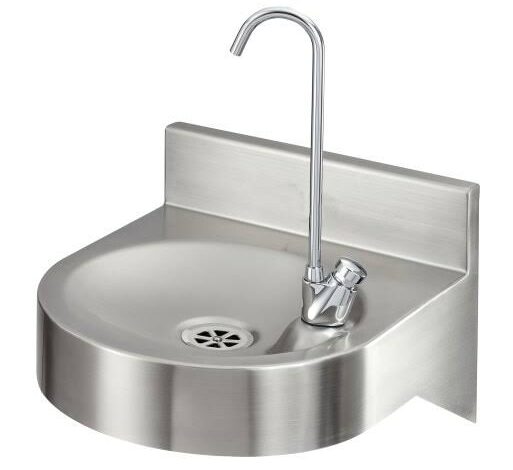
The decision of which drinking fountain to buy is made easier when you compare the facility needs and the types of drinking fountains available. Wall-mounted bubbler/bottle fillers can help schools promote hydration and decrease the number of one-use plastic bottles in the system. Freestanding stainless steel pedestal models that are suitable for continuous outdoor use work well in parks and transportation facilities. In hospitals and offices, the touchless activation with advanced filtering is necessary to ensure hygiene and quality of water. Foot- or knee-operated designs are suitable for religious facilities where hand use is to be minimized. Recessed bottle filler stations are often used in indoor commercial projects, as they require less space and are still accessible. Cold weather outdoor locations should consider freeze-resistant valves and weatherized plumbing. Pets can be integrated into the areas with bowls to make it more convenient for the public. Stainless steel 304 is suitable for many applications within the building; stainless steel 316 is more corrosion-resistant and is therefore used in coastal and challenging outdoor situations. Other than that, manufacturers like Xinhe also provide custom configurations that are in line with project requirements while not sacrificing durability.
Choosing the Right Solution for Schools
The equipment used in a school setting needs to be designed to be robust enough to withstand day-to-day use and easy for the students to operate. Bottle fillers allow reusable bottles to be used and can foster sustainable hydration practices. Wall-mounted stainless steel units take up less space in the corridor and allow for easy cleaning. Rounded edges enhance user safety in educational environments where they are frequently used. Younger students still rely on push-button controls, which are reliable and familiar. The high back splash protection keeps the walls around the shower cleaner. Durable Bubblers are designed to last the academic year and can be used daily. The quick change of replacement filters minimizes the downtime for maintenance. Before installation, facilities should also ensure that they meet accessibility requirements to promote inclusive campus design.
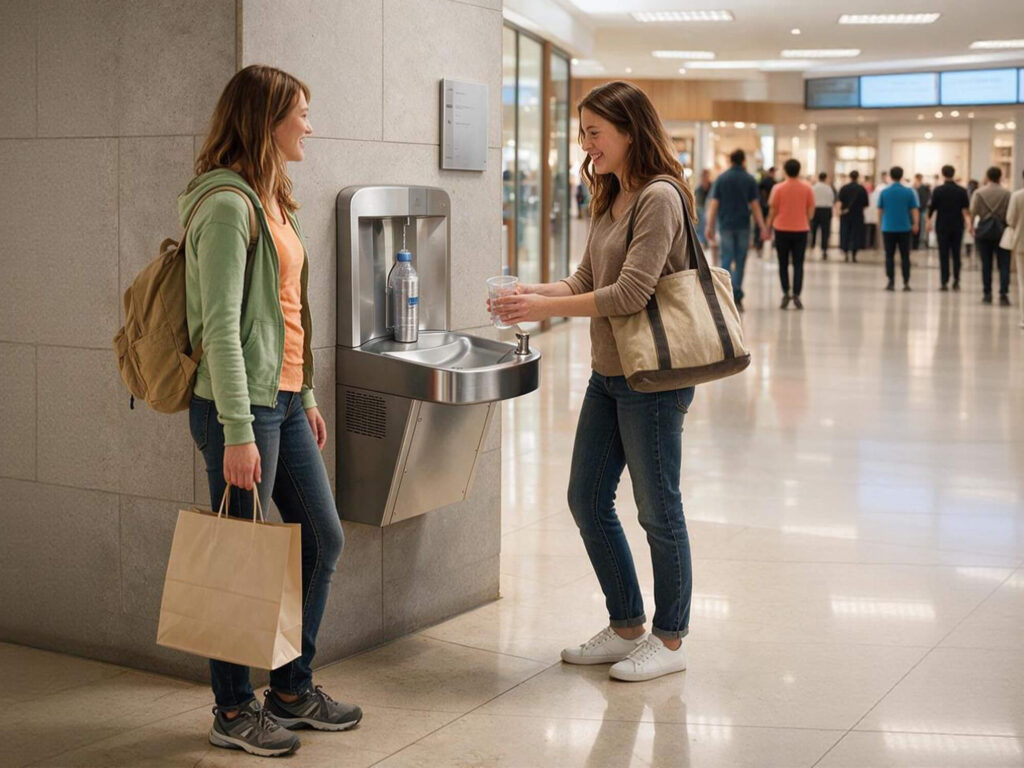
Selecting Outdoor Models for Parks and Recreation Areas
Outdoor settings put hydration equipment at risk of weather, misuse, and fluctuations in use over the course of the year. Freestanding stainless steel pedestal designs offer strong durability in these harsh environments. Vandal-resistant construction helps to prevent intentional damage to key components. Weather-resistant finishes enhance looks and protect against extended outdoor exposure. Integrated drainage minimizes the amount of water stagnation around the installation area. Pet bowls are available to make it easier for families to enjoy public places. In areas where winter temperatures fall below freezing, protection against freezing becomes necessary. Corrosion-resistant 316 stainless steel construction is useful for coastal installations. Heavy-duty anchoring is also beneficial in open public areas where there is a lot of foot traffic.
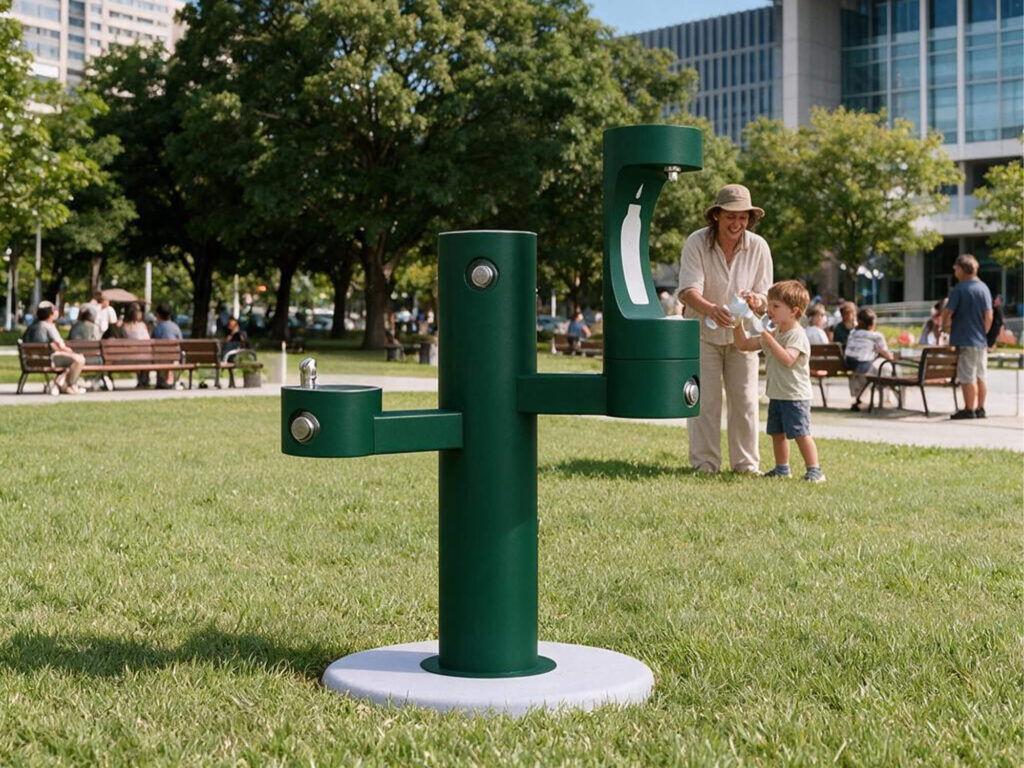
Hydration Solutions for Offices and Commercial Buildings
In today’s contemporary office spaces, it is important to not only provide reliable access to hydration, but also to consider elements such as cleanliness, convenience, and interior design. Low-contact sensor use decreases physical interaction among users during hectic working hours. Advanced filtration systems help to remove common water contaminants and improve taste. During summer months, chilled water options improve staff satisfaction. Recessed wall-mounted installations help save valuable floor space inside commercial buildings. Bottle filling stations promote the use of reusable containers and lessen the production of plastic waste. Low noise operation is ideal for professional office settings with no uncalled-for disruption. Simple maintenance access minimizes servicing time, optimizing operational efficiency. Premium stainless steel construction also complements contemporary architectural designs.
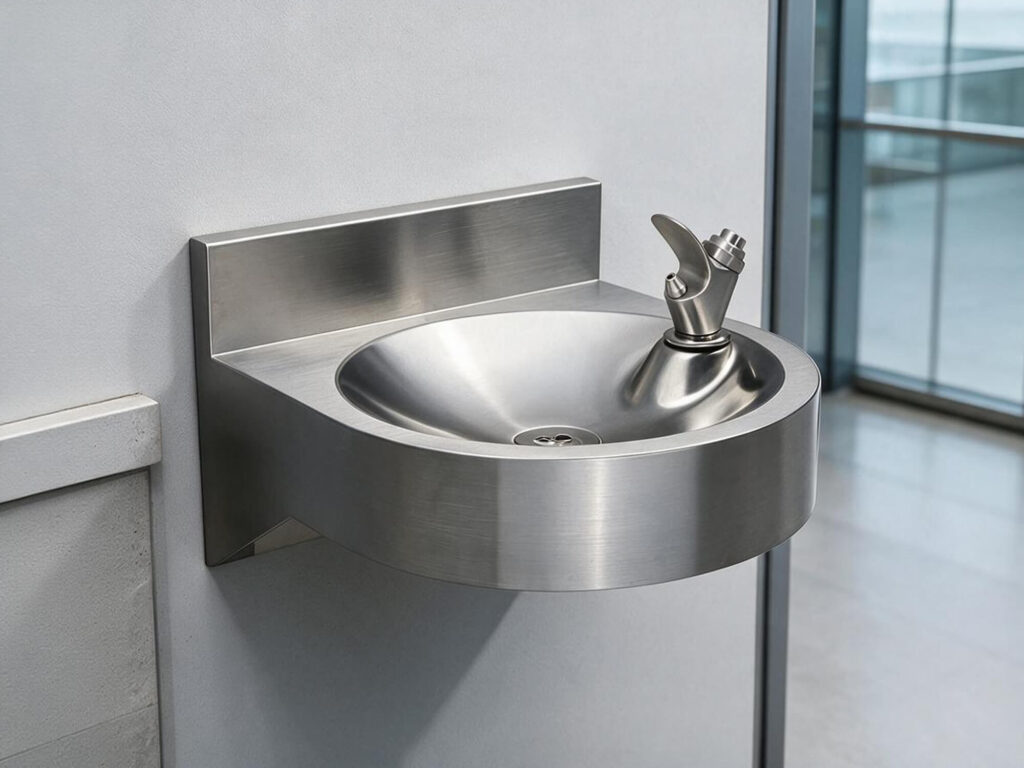
Meeting Healthcare Hygiene Requirements
Hospitals require reliable water supply solutions that help prevent infections and meet strict cleanliness standards. With touchless activation, there is less unnecessary contact between users in a busy medical environment. High-performance filtration increases confidence in the quality of drinking water supplied. Routine cleaning and sanitation tasks are easier with smooth surfaces on stainless steel. Durable construction is able to withstand frequent use by patients, visitors and healthcare professionals. It is clearly visible when it is operating, making it easier for people with different physical abilities to access it. Expected maintenance downtime is minimized with reliable internal components. This is important for consistent performance as healthcare operations run 24/7, every day of the year.
Reliable Equipment for Transportation Hubs
Airports, railway stations, bus terminals, and metro systems are subject to constant use by the public, and maintenance is difficult. Equipment should be capable of tough operating conditions and less frequent repairs—heavy-duty stainless steel construction for increased durability when in constant use. Bottle filler combinations are for travellers who are taking reusable bottles on long trips. With quick water flow, waiting times are reduced during peak travel periods. Vandal-resistant housings keep the internal components safe from accidental or intentional damage. Weatherproof outdoor models have external station platforms where necessary. Easy access for servicing ensures that maintenance personnel can efficiently carry out servicing activities without causing delays to the movement of passengers.
Hygienic Options for Religious and Community Facilities
Many religious institutions have a need to serve various populations during daily operations and focus on cleanliness. Water access is reduced with foot- and knee-operated controls. These operation methods not only help to maintain hygiene but also do not add equipment complexity. Stainless steel construction is able to endure regular cleaning with standard sanitary products. Simple mechanical controls are reliable for continuous daily operation. Easy installation heights for all ages. Flexible placement with indoor and outdoor configurations. The durability in construction also ensures long service life in spite of frequent public use.
Material, Filtration, and Climate Considerations
The quality of the material directly affects the durability, maintenance needs and overall life costs of commercial projects.
- Use 304 stainless steel for many common interior applications.
- Use 316 stainless steel in coastal and highly corrosive areas.
- Use advanced filtration when water quality is not constant from the municipality.
- Include chilled water systems for warmer climates.
- Indicate freeze-resistant valves for cold areas.
- Verify outdoor installations that are subject to the elements for weatherproofing.
- Check certification requirements prior to project approval.
- Schedule regular filter changes based on manufacturer’s recommendations.
By carefully selecting materials, investments are safeguarded, and operational reliability is enhanced for decades.
Maintenance Planning for Long-Term Performance
Routine maintenance ensures the machine’s performance and prolongs its lifespan. Minor issues are caught by scheduled inspections before expensive repairs are required. The time for replacing the filter varies according to local water quality and use. Regular cleaning of drainage systems is important to avoid blockages and odors. A non-abrasive product can be used to clean stainless steel surfaces gently. Periodic checks should be carried out after extreme weather conditions for outdoor installations. Maintenance records also help ensure compliance with warranties and future facility planning. Reliable equipment provides consistent hydration with fewer unplanned equipment expenses.
Final Considerations Before Procurement
It is important to match the capability of equipment with the actual operating conditions, rather than just the initial purchase price, for successful procurement. Before choosing a model, decision makers should consider the following: expected traffic, maintenance resources, climate, accessibility, and water quality. The reliable stainless steel construction, certified manufacturing and appropriate operational features enhance the project value. Famous brands like Xinhe offer extensive product lines, special designs, and internationally certified commercial ones. With careful planning, reliable hydration systems are ultimately provided that will function well for public facilities for many years.