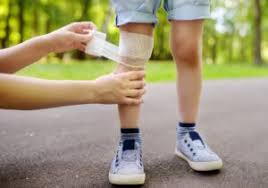
Few experiences are as upsetting for a parent as seeing their child injured. Whether it happens in a road accident, at school, in a playground, or through avoidable medical mistakes, the consequences can affect every part of family life. Beyond the immediate concern for a child’s health, families may face emotional strain, financial pressure, and uncertainty about what support is available in the months and years ahead.
What many parents do not realise is that where negligence has played a role, there may be a legal route to securing compensation that helps protect a child’s future. This support can be vital in covering treatment costs, rehabilitation, specialist care, and other long term needs that arise because of the injury.
When Does a Child Injury Case Become a Legal Claim?
A child injury case may become a legal claim when it can be shown that another person, business, organisation, or authority failed in their duty of care and that failure directly led to harm.
Examples can include:
- Drivers failing to stop at crossings near schools
- Unsafe play equipment in parks or leisure facilities
- Poor supervision during school trips or activities
- Slippery floors or dangerous hazards in public venues
- Workplace accidents involving young apprentices
- Medical negligence during pregnancy, childbirth, or childhood treatment
Every situation is unique, but the legal principle remains the same. If a child was harmed because proper care was not taken, compensation may be available.
For families wanting clear information about the legal process, exploring expert guidance on child injury claims is often the first step towards understanding their rights.
The Claims Process Is Designed to Protect Children
Children under 18 cannot legally bring forward compensation claims on their own. Instead, a responsible adult acts on their behalf as a litigation friend. This is usually a parent or guardian who supports the legal process and makes decisions based on what is best for the child.
That responsibility may include:
- Working closely with legal representatives
- Helping collect evidence
- Supporting medical evaluations
- Reviewing legal advice and settlement offers
- Making sure future care and educational needs are considered fully
This process ensures that compensation is assessed not only around the injury itself, but around how that injury may affect the child’s life as they grow.
Looking Beyond Immediate Recovery
Children often recover differently from adults. Some injuries may have effects that are not fully understood until later stages of development. Physical injuries may influence mobility, learning, confidence, or independence. Emotional trauma can also affect behaviour, mental wellbeing, and social development.
This is why compensation in child injury cases can help with:
- Ongoing medical treatment
- Physiotherapy and rehabilitation support
- Psychological therapy or counselling
- Specialist educational assistance
- Accessibility changes within the home
- Medical equipment and mobility aids
- Long term care arrangements
- Costs parents incur while caring for their child
Financial support can create stability at a time when families need it most and ensure the child has access to the best possible opportunities for recovery.
Why Evidence Can Make All the Difference
Strong evidence is the foundation of a successful claim. The sooner records are gathered, the easier it can be to establish what happened and demonstrate the impact of the injury.
Helpful evidence often includes:
- Medical reports and treatment records
- Photographs of injuries and accident scenes
- Witness statements
- CCTV or dashcam footage
- Official accident reports
- Receipts for treatment, travel, or support costs
- Personal notes about the child’s recovery, pain levels, and disruption to school life
A knowledgeable child injury claims solicitor can guide families through this process and help build a clear and well supported case.
When a child suffers harm because safety standards were ignored or reasonable care was not taken, families should not be left to manage the consequences alone. Legal action is not simply about pursuing compensation. It is about securing the resources that can genuinely improve a child’s recovery, wellbeing, and long term future.
The right support can help families understand their legal position, gather the right evidence, and pursue a claim with confidence while keeping the child’s best interests at the centre of every decision.
For parents and guardians seeking trusted guidance, Child Injury Claims | Children Accident Compensation UK provides specialist support tailored to families facing difficult circumstances. With access to independent SRA regulated solicitors, free confidential case assessments, and a compassionate approach focused on children, they offer valuable help at a time when families need it most.