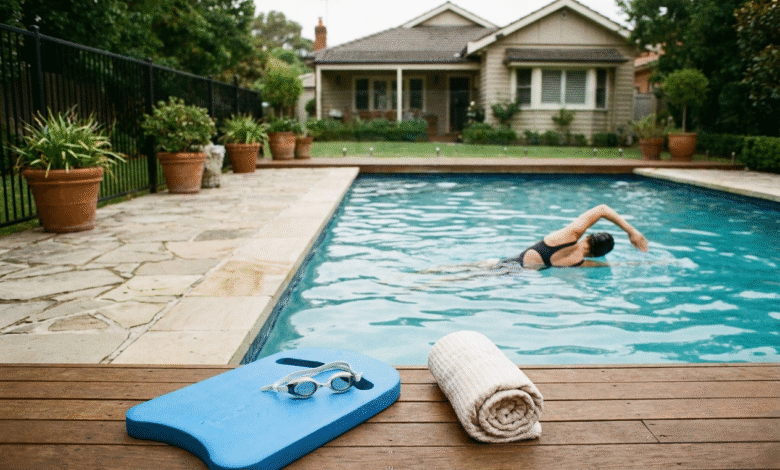
Swimming at home can be simple and effective. You do not need a professional pool. You do not need a full gym setup. You only need the right equipment for your skill level, your pool size, and your goals.
For beginners and casual swimmers, the best gear is not always the most advanced gear. It is the gear that helps you feel comfortable in the water. It should also help you build a habit. If the setup feels hard, you may stop using it. If it feels easy, swimming can become part of your weekly routine.
Home swim training can support fitness, recovery, breathing, and confidence. It can also be gentle on the joints. This makes it useful for many ages and fitness levels. The key is to choose equipment that helps you move well without making the pool crowded.
Start With Good Goggles
Good goggles are one of the most important items for home swim training. They help you see clearly underwater. They also reduce eye irritation. When your eyes feel comfortable, you can relax and focus on your stroke.
Beginners often lift their heads because they do not like putting their face in the water. This can cause the hips and legs to sink. Goggles make face-down swimming easier. They help you keep a better body position.
Choose goggles that seal well but do not feel too tight. The straps should be easy to adjust. The lenses should match your pool setting. Clear or light lenses work well for indoor or shaded pools. Darker lenses may be better in bright outdoor pools.
Do not ignore comfort. If goggles leave deep marks or leak often, you will not enjoy using them.
Use a Swim Cap for Comfort
A swim cap is not only for competitive swimmers. It can help casual swimmers too. It keeps hair away from the face. It can also reduce drag and make swimming feel smoother.
For people with longer hair, a cap can make training much easier. It also helps keep loose hair out of the pool system. This is useful for home pool care.
A cap should feel snug but not painful. Silicone caps are common because they are flexible and easy to use. Some swimmers prefer softer caps for comfort.
You do not need to wear a cap for every casual swim. But for training sessions, it can help you stay focused.
Add a Kickboard for Leg Work
A kickboard is simple, but it is very useful. It helps beginners practice kicking without worrying about arm movement. It also supports balance in the water.
Kickboard drills can improve leg strength and body position. They can also help new swimmers feel more confident. You can hold the board in front and kick slowly across the pool. In a small pool, you can hold the wall and kick in place.
Keep the kick relaxed. Do not splash too much. A strong kick does not mean a wild kick. The movement should come from the hips, not only the knees.
For casual swimmers, a kickboard also adds variety. It breaks up the workout and gives the arms a rest.
Try a Pull Buoy for Body Position
A pull buoy is a small float placed between the thighs. It helps keep the lower body up. This allows the swimmer to focus on arm movement and breathing.
Beginners often struggle because their legs sink. A pull buoy can help them feel what a better position is like. It also lets them slow down and think about the stroke.
Use it for short sets. Do not depend on it for every swim. The goal is to learn body balance, not avoid kicking forever.
A pull buoy is best for people who already feel safe in the water. New swimmers should use it carefully and stay in a comfortable depth.
Use Short Fins With Care
Short swim fins can help some swimmers. They make kicking easier and help the body move forward. They can also improve ankle flexibility and rhythm.
But fins should not become a crutch. If they are too long or too stiff, they may change your natural movement. They can also make small pools feel crowded.
For home training, short flexible fins are usually better than long diving-style fins. Use them for short drills. Focus on smooth movement, not speed.
If you have knee or ankle issues, be careful. Start slowly. Stop if you feel strain.
Keep a Waterproof Timer Nearby
A timer can make home swimming more structured. You do not need a complex training watch. A simple waterproof timer or visible poolside clock can work well.
Timers help you do intervals. This is useful in small pools. Instead of counting laps, you can swim for time. For example, swim for 30 seconds, then rest for 30 seconds. Repeat this 10 times.
This method is easy for beginners. It also works for casual fitness. You can adjust the time as you improve.
A timer also helps you avoid doing too much too soon. Many people swim hard at first and get tired quickly. Timed sets make the workout more controlled.
Consider Resistance Bands for Water Workouts
Resistance bands can support strength training near the pool. Some people use them on the deck before swimming. Others use water-safe resistance tools for light movement in the pool.
For beginners, simple shoulder warmups can be helpful. Swimming uses the shoulders a lot. Gentle band work can prepare the muscles before a session.
Keep it light. The goal is not heavy strength training. The goal is better control and safer movement.
Store bands away from direct sun when not in use. Sun and pool chemicals can wear them down over time.
When Simple Gear Is Not Enough
Basic gear is enough for many swimmers. Goggles, a kickboard, and a timer can support a good routine. But some home pools are very short. In these pools, it can be hard to swim for more than a few strokes.
This is where swim-in-place training can help. Instead of swimming from wall to wall, the swimmer moves against resistance. This can make a small pool more useful for fitness.
Some homeowners look at options such as igarden x series air when they want to add current-based swimming to a home pool without turning the backyard into a major construction project. This kind of setup can be useful for people who want steady swimming, but still want to keep the pool open for normal family use.
Before choosing any resistance swim jet, think about your real needs. Are you training for fitness, comfort, or technique? How strong is your swimming now? How much space do you have? The best setup should match your pool and your habits.
Keep Storage Simple
Home swim gear should be easy to find. If your equipment is scattered, you may skip workouts. Use a small deck box, wall hook, or storage bin near the pool.
Keep wet items in a place where they can dry. Do not leave goggles and caps in direct sun for long periods. Rinse gear with clean water after use. This helps it last longer.
A simple storage system also keeps the pool area safer. Loose gear on the deck can become a trip hazard.
Build a Beginner-Friendly Routine
The best equipment will not help much without a routine. Start small. A 20-minute session is enough for many beginners.
Begin with easy movement. Swim slowly for a few minutes. Then use a kickboard for short kicking sets. After that, practice freestyle for 30 seconds at a time. Rest between each effort. End with relaxed swimming or water walking.
Do this two or three times a week. Do not rush. The goal is to feel better in the water over time.
As you improve, add longer intervals. You can also add drill days and easy recovery days. Keep the plan simple enough to repeat.
Choose Gear That Matches Your Pool
A long pool gives you more room for laps. A short pool may need timed sets or resistance swimming. A shallow pool may be better for walking and low-impact movement. A deeper pool may feel better for full strokes.
Do not buy equipment only because it looks advanced. Choose gear that solves a real problem. If your eyes bother you, start with better goggles. If your legs sink, try a pull buoy. If you get bored, use a timer and interval plan. If your pool is too short, look into resistance options.
The best home swim training setup is not about owning more gear. It is about making swimming easier to start and easier to repeat.
With the right equipment, beginners and casual swimmers can get more from a home pool. They can build confidence, improve fitness, and enjoy the water more often. A few smart choices can turn a simple backyard pool into a practical training space.