Printed circuit boards (PCBs) constitute a key component in nearly all of our modern electronic appliances. No matter the smartphone, computer, medical device, or industrial machine, a PCB is used to connect and provide support to all the electronic components that the device requires to operate correctly. However, a PCB becomes functional only after the assembly process is completed.
It is here that PCB assembly is very important. The assembly process will determine the type of reliability, durability and efficiency of the final product. This is the reason as to why basic PCB knowledge is significant to engineers and the buyers. Engineers must learn to see the effects of assembly on performance, and buyers must know what to expect when selecting a manufacturing partner.
This PCB Assembly Guide is going to describe how PCB assembly is made, the variables that influence assembly quality and the primary cost factors of the production. Knowing these fundamentals can help you make a better choice and make your electronics projects successful.
What Is PCB Assembly?
PCB assembly or PCBA (Printed Circuit Board Assembly) is the process of assembling and soldering electronic parts onto a printed circuit board. After the parts have been connected and their functionality is verified, the board is considered a complete functional unit to be incorporated in an electronic device.
PCB fabrication is mistakenly confused with PCB assembly, which is a different process. PCB fabrication entails the fabrication of the bare circuit board, the copper traces and the copper layers. PCB assembly is conducted following fabrication and is concerned with attaching the electronic parts that enable the board to carry out its purported intended purpose.
Why PCB Knowledge Matters
Practical knowledge of PCB assembly will be of importance to anyone engaged in the electronics manufacturing sector. To engineers, it assists in making sure that designs can be produced efficiently and can work as intended. It simplifies the evaluation of suppliers, service comparison and prevents expensive production problems for buyers and project managers.
A good grounding in PCB knowledge also aids in detecting any issues of concern on the quality even before manufacturing starts. This has the ability to minimise delays, enhance product reliability and yield better outcomes in the manufacturing process.
Understanding the PCB Assembly Process
Design Review and Component Preparation
The manufacturers go through the PCB design files and the Bill of Materials (BOM) before assembly starts. This measure assists in recognising possible manufacturing concerns and ensures the availability of all the necessary parts. A Design for Manufacturability (DFM) review is also frequently conducted by many manufacturers to ensure that the board is easily and correctly assembled.
SMT and Through-Hole Assembly
Surface Mount Technology (SMT) and Through-Hole Technology (THT) are two of the most common assembly technologies. In SMT assembly, the parts are soldered directly onto the PCB surface with automated equipment. This technique is quick, effective, and common in contemporary electronics.
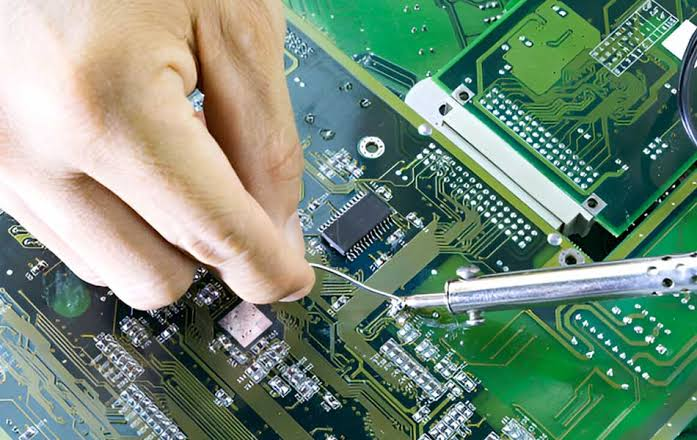
Through-hole assembly is where the leads of components are inserted into holes drilled into the board and soldered in. It is more time-intensive but offers good mechanical reliability and is commonly applied to products which demand additional strength.
Inspection and Testing
After the parts are soldered together, the board is inspected and tested. Automated Optical Inspection (AOI) systems check for issues such as missing or incorrectly placed components. Functional testing is now conducted to ensure the board is working as it should. These quality checks contribute to identifying issues at an early stage of action, as well as making sure that only trusted products go to the next level of manufacturing.
Critical Factors That Affect PCB Assembly Quality
The performance and reliability of a final product directly depend on the quality of PCB assembly. A well-designed circuit board will still not work correctly unless the assembly process is implemented in a proper manner. There are a few things that significantly influence the quality of assembly.
- Component Placement Accuracy
Electronic parts need to be mounted at the right location with a high degree of precision. Even a minor lack of alignment may interfere with electrical connections and cause a performance problem. Contemporary pick-and-place systems assist in selecting the components correctly and minimising the risk of making errors during assembly.
- Solder Joint Reliability
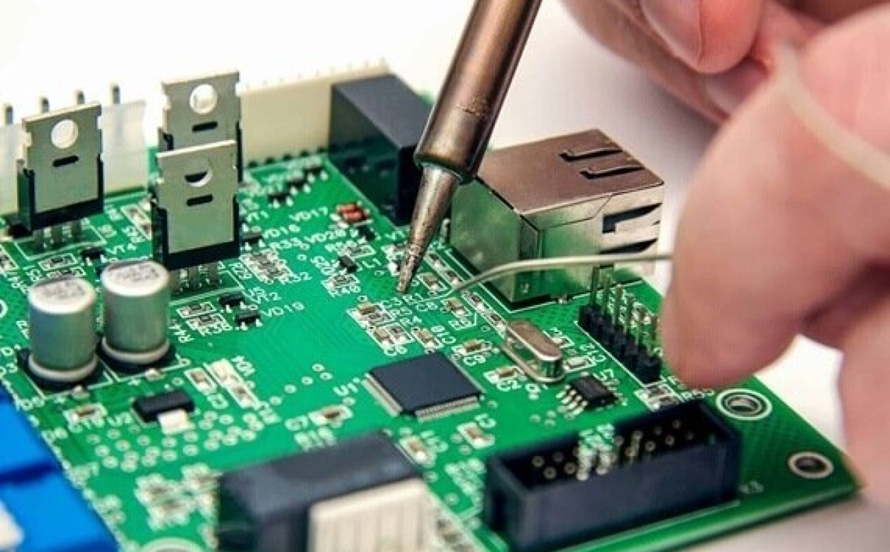
Solder joints provide the electrical and mechanical interconnectivity among the components and the PCB. Poor or faulty solder joints may lead to intermittent or poor performance or total breakdown of the product. Building reliable circuit boards requires proper soldering methods and control of the process.
- Quality Control Standards
Proper quality control will ensure that manufacturers can detect and rectify issues before their products are supplied to customers. AOI, X-ray inspection, and functional testing are all commonly employed to check the quality of assembly. Adhering to industry standards and keeping the production processes consistent contribute to making sure that each PCB can perform and be reliable to the required standards as well.
Cost Factors Every Buyer Should Understand
Board Complexity
One of the largest factors that influence assembly costs is the complexity of a PCB. Multi-layered boards, compact designs, or high-density component layouts are likely to necessitate more complex production methods as well as more inspection phases. There is a general increase in production costs with the increase in complexity.
Component and Material Costs
A significant part of the assembly cost can be electronic components. Special, high-performance, or difficult-to-get components tend to be more costly than common parts. Pricing and lead times may also be affected by material selections and the state of supply chains.
Production Volume and Testing
The quantity of production is significant in the cost determination. Low volume and prototype orders are usually more expensive per unit due to the costs of setups being distributed over fewer boards. Economies of scale can be advantageous to larger production runs and decrease the cost per unit. Pricing also can be influenced by testing requirements because more inspection and functional tests need more time and resources but contribute to product quality and reliability.
Choosing the Right PCB Assembly Partner
What to Look For
When choosing PCB assembly companies, consider:
- Manufacturing capabilities and production capacity
- Quality control and testing procedures
- Industry certifications and standards.
- Engineering and technical support
- Component sourcing capabilities
- Experience with similar projects
- Effective customer care and communication.
Avoiding Common Mistakes
Some consumers will make their choices simply by price, and this may create quality problems in future. Do not make the following errors:
- Selecting the lowest supplier without evaluating quality.
- Neglecting testing and inspection potential.
- Overlooking industry experience
- Not reviewing customer support and communication
- Failing to verify certifications and manufacturing standards
When you take time to consider these factors, you will be able to identify a PCB assembly partner who provides quality products and promotes your long-term manufacturing objectives.
Conclusion
PCB knowledge is very important to an individual engaged in the production of electronics. Starting with the design preparation and board placement and concluding with the testing and quality control, each phase of the PCB assembly process contributes to the quality and performance of the finished product.
In the case of engineers, knowledge of assembly requirements can facilitate more manufacturing and dependable designs. To buyers, understanding what influences quality and cost will help them find the appropriate manufacturing partner and prevent unwarranted risks.
By focusing on quality processes, proper testing, and experienced PCB assembly services, businesses can improve product performance, reduce production issues, and achieve better results in today’s competitive electronics industry.